

INDONESIAPLANTS
Philodendron Bicolor
Philodendron Bicolor
لم نتمكن من تحميل توفر الاستلام
What You Will Receive:
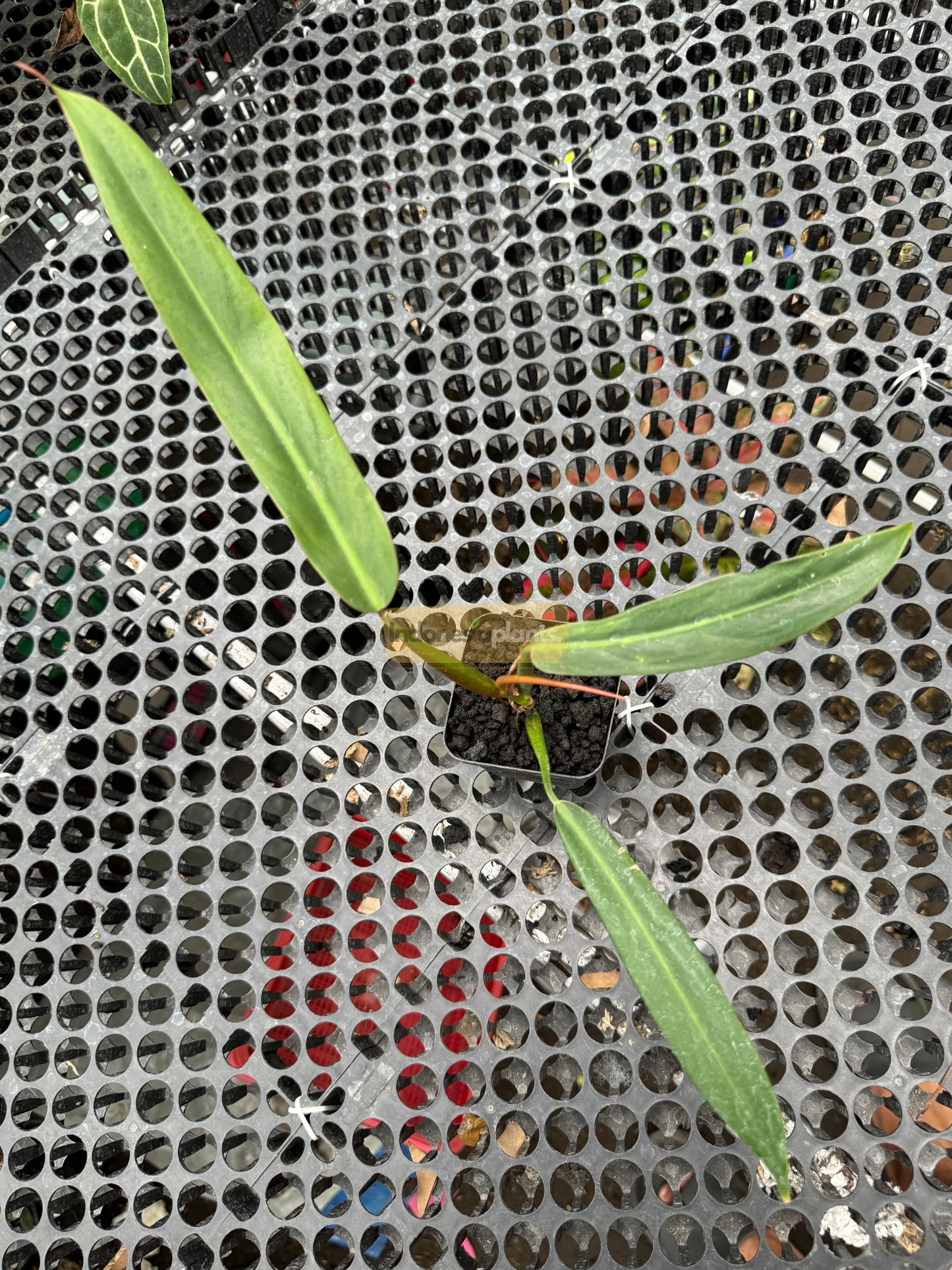
- A healthy, well-rooted Philodendron Bicolor with a minimum of 4 leaves.
- Plant size may vary depending on stock; please refer to product photos for details.
- Carefully packaged to ensure the plant arrives in perfect condition.
Meet the Elegant Contrast: Philodendron Bicolor
This stunning Philodendron Bicolor brings bold character and vibrant energy to your tropical plant collection. With its elongated leaves that show off a rich contrast between deep green topsides and maroon to burgundy undersides, this species offers a unique dual-tone appeal that plant lovers find irresistible.
✨ Why You'll Love This Tropical Houseplant
- Native to tropical regions and well-suited for indoor environments.
- Easy to care for and beginner-friendly.
- Compact and upright growth — great for shelves, desks, or small spaces.
If You Want This Look → Choose Philodendron bicolor
You’re after a slim, architectural climber with elegant, elongated blades and a composed, modern attitude. Philodendron bicolor delivers a quiet luxe vibe: narrow leaves with a satin-to-semi-gloss surface, clean midrib, and a graceful drape that becomes more upright once it’s guided to a support. It stages a refined silhouette that’s easy to place—bookshelf corner, slim pedestal, desk-side vignette—without overwhelming the scene.
Compared To Its Cousins
- vs. Philodendron atabapoense: Both read elongated and elegant. Atabapoense often shows a stronger two-tone underside; bicolor feels a touch sleeker and more understated up top, with a tidier, “tailored” blade that stacks neatly as it climbs.
- vs. Philodendron billietiae: Billietiae makes a broad, dramatic arc with long petioles; great for spectacle, trickier in small spaces. Bicolor keeps the footprint compact and the line vertical—perfect when you want height without width.
- vs. broader heart-leaf types: Heart-leaf philodendrons create a fuller, softer mass. Bicolor is for crisp lines and a curated column—less “cottage,” more “gallery.”
- vs. vining non-philodendron options: If you’ve loved trailing species but crave a grown-up, upright look, bicolor converts easily to a column with tighter internodes and a cleaner profile.
Best Use Cases (Small Space Wins)
- Narrow alcoves & shelves: The vertical habit and slim leaves read as intentional design rather than foliage clutter.
- Work setups: A single pole-trained vine creates movement behind a monitor without visual noise.
- Photo corners: The satin surface and defined midrib look great in side light; it’s easy to stage repeatable shots as the plant gains nodes.
Care Delta (What’s Easier/What to Watch)
- Light (easier): Bright, diffused daylight—east exposure or a luminous spot behind sheers. Bicolor rewards consistency more than sheer intensity; steady luminance sharpens margins and keeps internodes tight.
- Water (easier): Water when the top 2–3 cm (≈1 in) of mix dries, then soak and drain fully. It appreciates a calm rhythm, not constant damp.
- Mix (crucial): Oxygen-forward aroid blend—chunky bark + coco fiber/coir + pumice/perlite, plus a modest sphagnum buffer. Air first, then moisture.
- Support (big payoff): A slim moss pole, coco totem, or cedar plank turns a small plant into an elegant column quickly. Soft ties at each node keep the line straight and centered.
- Climate: Comfortable home range works: ~50–70% RH; 18–29 °C (65–85 °F). A mild humidity bump refines leaf finish and eases unfurling.
- Feeding: Light nutrition (¼–½ strength) during active months sustains steady sizing; prioritize light quality over extra fertilizer.
Why It Belongs in Your Mix
Philodendron bicolor is a shape specialist—slender, disciplined, camera-friendly. It brings height to tight footprints, pairs beautifully with velvety or round-leaf companions, and photographs like a pro in side light. Start small, train early, and you’ll watch it evolve from a neat juvenile into a polished column that feels custom-made for modern interiors.
Quick Styling Tips
Neutral planters (stone, sand, charcoal) keep attention on line and texture. Angle side light to carve a subtle highlight along the midrib. Rotate a quarter-turn every two weeks for even development. As with many aroids, keep foliage out of nibbling reach.