

INDONESIAPLANTS
Rhaphidophora Tetrasperma | Monstera Minima | Monstera Ginny
Rhaphidophora Tetrasperma | Monstera Minima | Monstera Ginny
لم نتمكن من تحميل توفر الاستلام
What You Will Receive:
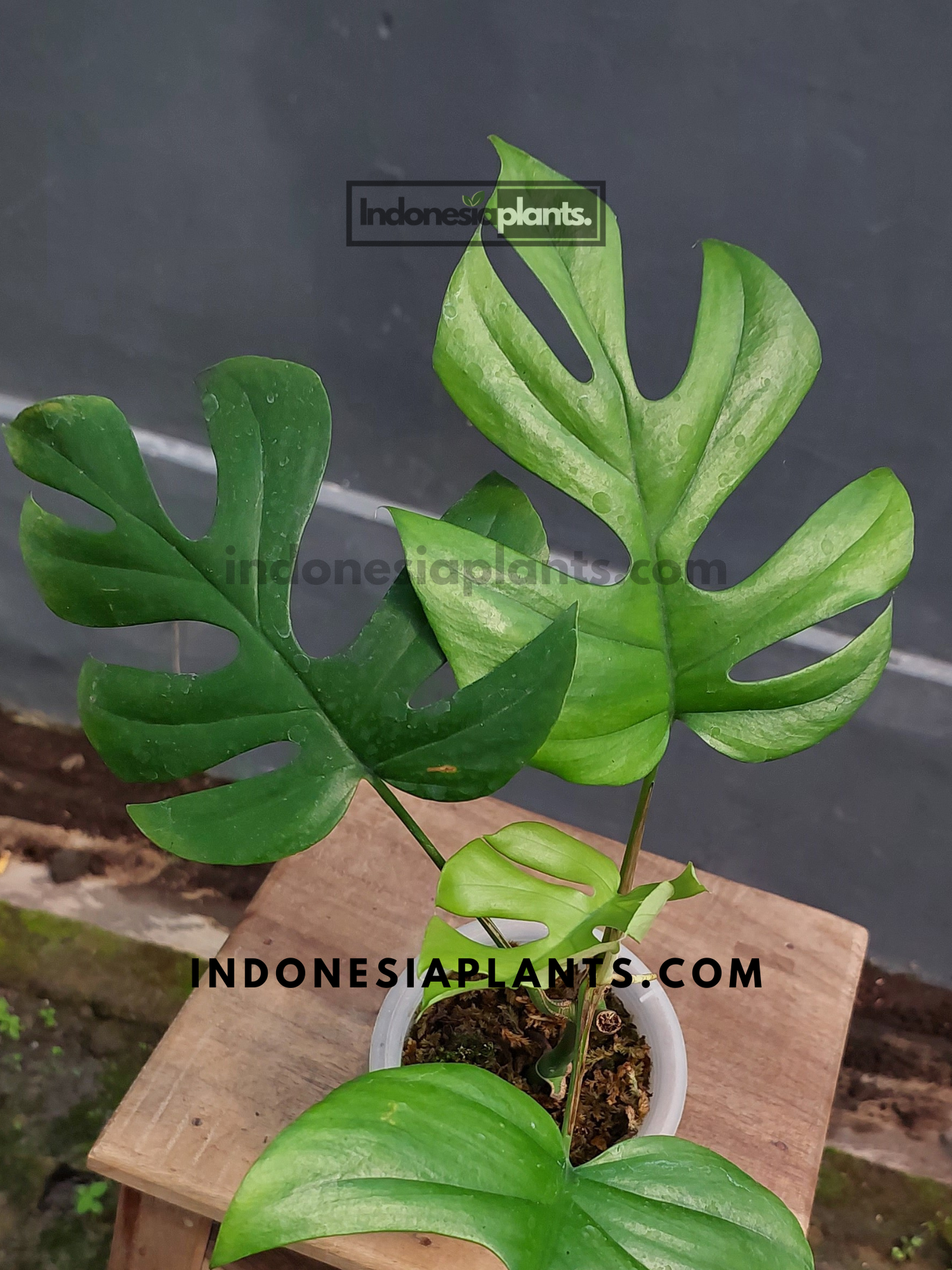
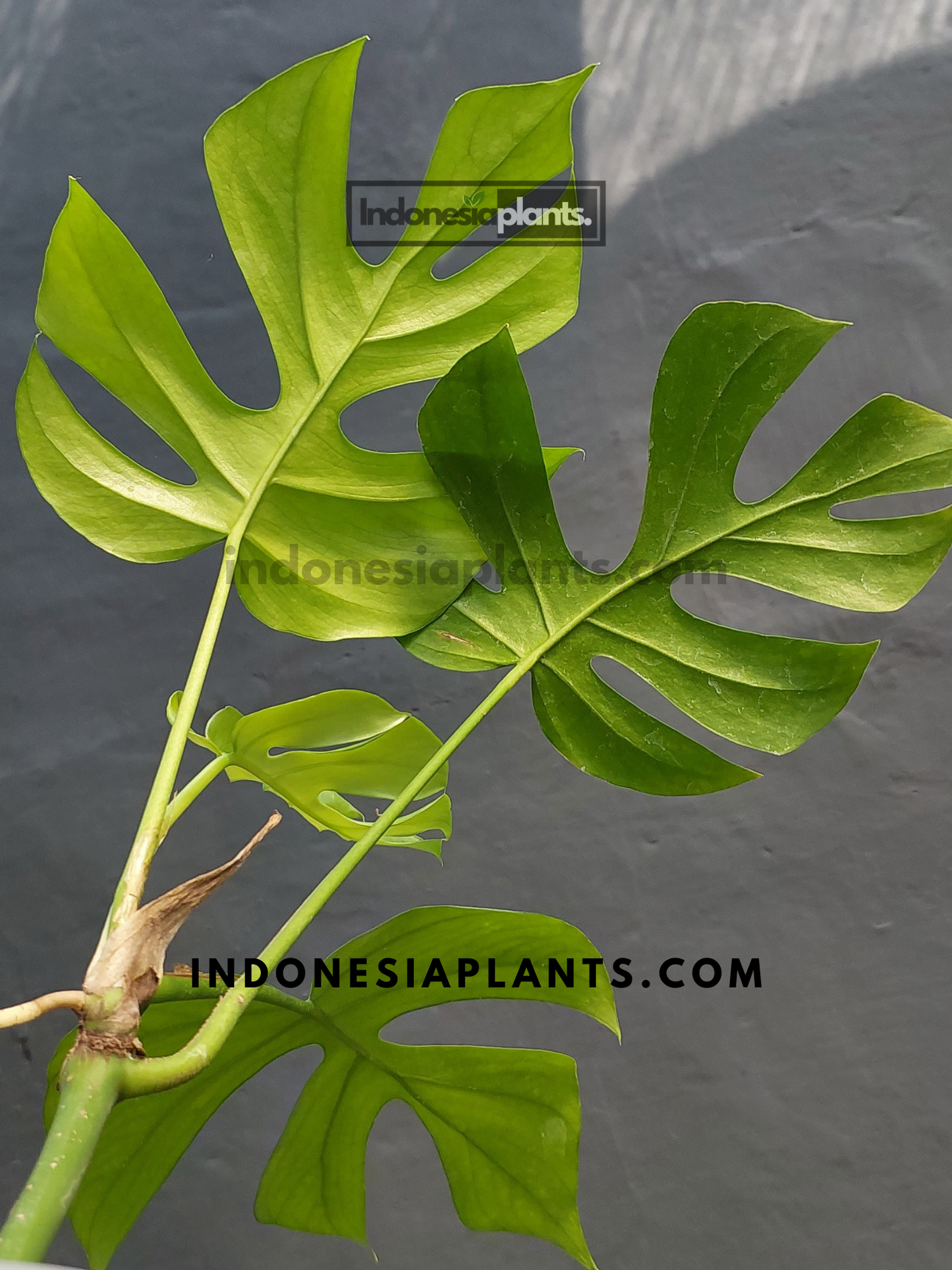
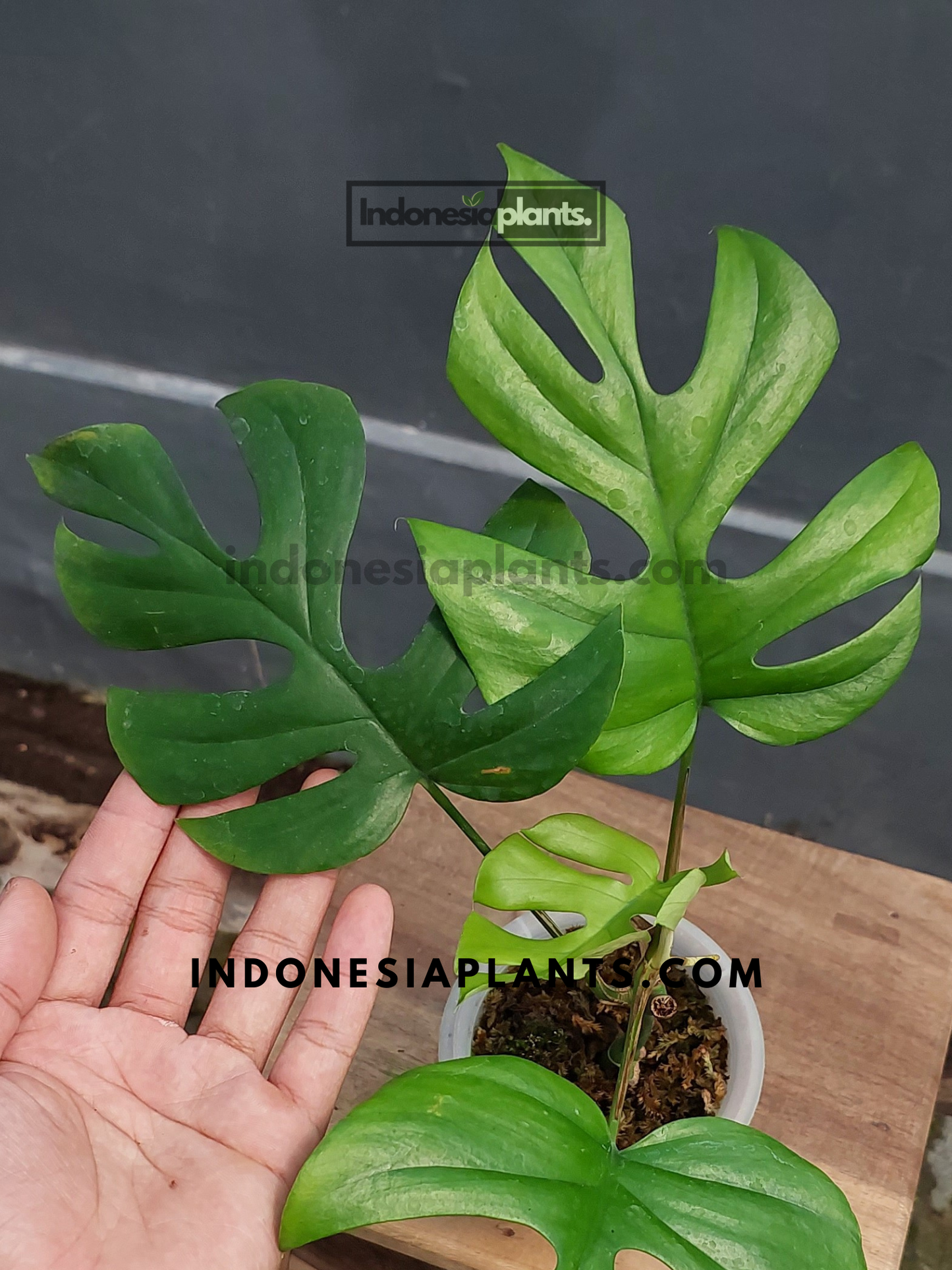
- A healthy, well-rooted Rhaphidophora Tetrasperma | Monstera Minima | Monstera Ginny with 4-5 leaves.
- Plant size may vary depending on stock; please refer to product photos for details.
-
Carefully packaged to ensure the plant arrives in perfect condition.
Rhaphidophora Tetrasperma | Monstera Minima | Monstera Ginny – A Compact Beauty with Unique Foliage
Compact windows, modern line
Rhaphidophora tetrasperma—often nicknamed “mini monstera”—delivers the architectural appeal of fenestrated foliage on a smaller footprint. Juvenile leaves begin solid; with proper support and light, blades transition to clean, symmetrical cut-outs that read like designed apertures rather than random tears. Surfaces are satin, petioles are slender and poised, and the overall posture is tidy, making this climber a natural fit for contemporary interiors and product photography.
Space Fit — Where it looks effortless
Because it climbs rather than sprawls, this species excels in narrow vertical zones: console ends, window flanks, bookshelf gaps, studio corners. Provide a sliver of negative space around the planter so the leaf windows cast crisp shadows—a simple trick that makes the plant look gallery-ready. It’s equally happy near a workspace as long as the light is generous and filtered.
Light & Form — Fuel the fenestrations
Long hours of bright, diffused daylight keep internodes compact and trigger earlier fenestration as the vine gains height. East light, a bright north exposure, or a sheer-filtered south window is ideal. Deep shade delays windowing and elongates spacing; harsh noon sun can mark tender tissue along cut edges. Under LEDs, favor a broad, even wash at a comfortable distance to avoid hotspots while maintaining vivid green tone.
Substrate & Potting — Oxygen first, then moisture
Seat in a drainage-forward vessel sized just over the active root mass. Build an airy aroid blend that dries predictably: generous chunky orchid bark (structure), coco/coir (even moisture), pumice or perlite (porosity), a pinch of horticultural charcoal, and a light sphagnum buffer. This scaffold preserves clean cut lines on new leaves, supports crease-free unfurls, and resists compaction over time. Empty saucers promptly.
Water & Climate — A calm, repeatable cadence
Water when the top 2–3 cm (≈1 in) of mix is dry; then soak thoroughly and drain completely. Think steady, never stagnant—consistency prevents edge stress near the fenestrations. Target 18–29 °C (65–85 °F) with ~45–65% RH and gentle airflow to dry leaf surfaces after watering without fraying tips. Feed lightly at ¼–½ strength during active months; improve light before increasing fertilizer since brightness drives form more than extra nutrients.
Training & Scaling — Unlock the silhouette
This is a true climber. Insert a slim moss pole, coco totem, or flat board and secure each node with soft ties. Physical contact with the support compacts internodes, broadens blades, and encourages symmetrical windows as the plant climbs. If you prefer a fuller column in the same footprint, allow a secondary shoot once the leader is established and tip-prune modestly to branch without losing the tailored line. Rotate a quarter-turn weekly so new leaves face your best light pocket.
Styling & Pairings — Compose with negative space
- Planter palette: Matte oatmeal, ecru, fog, or charcoal to frame the fenestrations.
- Backdrops: Limewash, pale timber, microcement, or honed stone to amplify dimensional shadow play.
- Companions: A velvety Anthurium adds plush counter-texture; a silver-washed Scindapsus cools the scheme; a deeper-green Monstera deliciosa behind it builds a light–dark dialogue that makes the windows pop.
Quick Fix Table — Signals → adjustments
- Few or no windows: Extend total hours of filtered brightness; keep nodes snug to the support and let the plant gain height.
- Lanky spacing: Raise overall luminance; verify every node is tied in.
- Edges browning on cut zones: Usually late watering or hot sun—tighten cadence, diffuse midday rays.
- Leaf curl inward: Root zone trending too dry—give a deep soak, then resume your steady loop.
- Mix slow to dry for days: Increase bark/aggregate or step down one pot size to restore oxygen exchange.
Clean geometry, cooperative growth, and an easy routine—Rhaphidophora tetrasperma turns everyday light into a sleek vertical statement that’s simple to style and satisfying to grow.