

INDONESIAPLANTS
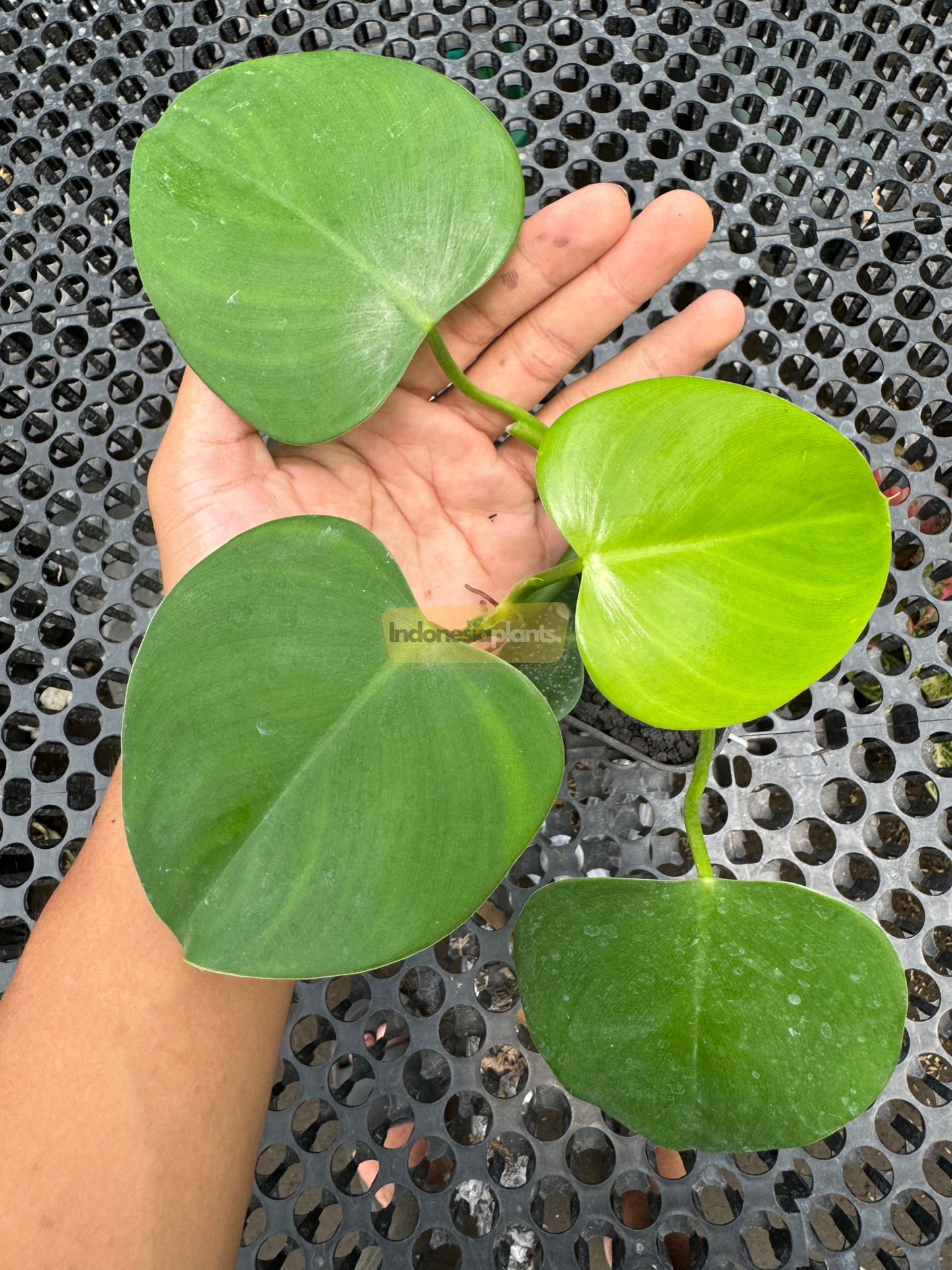
Philodendron Rugosum Pig Skin
Philodendron Rugosum Pig Skin
Verfügbarkeit für Abholungen konnte nicht geladen werden
What You Will Receive:
- A healthy, well-rooted Philodendron Rugosum Pig Skin with a minimum of 4 leaves.
- Plant size may vary depending on stock; please refer to product photos for details.
- Carefully packaged to ensure the plant arrives in perfect condition.
Bring character and bold texture into your indoor jungle with Philodendron Rugosum, affectionately nicknamed ‘Pig Skin’ for its thick, leathery, and puckered leaves that resemble animal hide. Native to the cloud forests of Ecuador, this tropical houseplant thrives in humidity and bright indirect light, making it a stunning conversation starter in any plant collection.
This aroid is not just about looks—its compact growth habit and strong structure make it a manageable, long-lasting choice for both novice and seasoned plant parents.
Surface — Thick, tactile, and unmistakably “pig skin”
The calling card of Philodendron rugosum is its leathery, bullate leaf surface—a dense, textured grain that looks and feels like finely pebbled hide. Instead of reflective gloss, the lamina reads matte to soft satin, so side-light carves gentle shadows into the valleys of each “quilt,” making the foliage look sculpted without glare. Color typically sits in the mid- to deep-green range, curing darker as the leaf firms, with a clean, raised midrib that photographs beautifully.
Structure — Compact presence with a climber’s instinct
Rugosum grows as a disciplined climber/hemiepiphyte. Juveniles are tidy and upright; given a slim moss pole, coco totem, or flat board, internodes shorten, blades broaden, and the texture becomes even more pronounced. Left unassisted, it maintains a neat, self-supporting posture for a time, but staking reveals the plant’s best architecture and keeps the crown centered in small footprints.
Placement — Even brightness beats sporadic sun
Aim for bright, diffused daylight most of the day: an east window, a bright north exposure, or a luminous spot behind sheers. The leathery surface tolerates light well, but unfiltered noon sun can warm fresh tissue along edges. Deep shade elongates spacing and softens the bullate relief. Quarter-turn the pot weekly so each new leaf cures evenly and the texture remains uniform around the plant.
Root Medium — Oxygen first, moisture on demand
Build a porous aroid blend that resists compaction: chunky orchid bark (structure), coco fiber/coir (even moisture), pumice or perlite (airflow), a touch of horticultural charcoal, and a light sphagnum buffer. Choose a drainage-first vessel sized just over the root mass. Rugosum’s thick leaves prefer an aerated, responsive root zone—too much fine peat slows gas exchange and dulls performance.
Hydration Cycle — Steady, never stagnant
When the top 2–3 cm (≈1 in) feels dry, water thoroughly and allow complete drainage. Consistency protects the broad margins and prevents creases during unfurl. In brighter seasons you’ll water a bit more often; during lower light or cooler months, spacing between waterings lengthens. Always empty saucers—this species dislikes standing water around the crown.
Climate & Nutrition — Comfort band with light feeding
Keep temperatures in the 18–29 °C (65–85 °F) range with ~50–70% RH and gentle airflow. Light nutrition at ¼–½ strength in active months supports confident sizing and keeps the bullate texture crisp. As with most aroids, light quality outperforms fertilizer for improving vigor—optimize brightness before increasing feed.
Styling Sets — Frame the texture, not just the color
- Planter palette: Low-gloss stoneware in oatmeal, ecru, sand, or charcoal underscores the leather-grain surface.
- Materials & backdrop: Limewash, microcement, and pale timber invite dimensional shadows across the quilted leaves.
- Compositions: Run one leader up a slim board for a gallery-clean column; pair with a velvety Anthurium (plush contrast) or a silver-washed Scindapsus (cool foil). A deeper-green Monstera behind it creates a light–dark dialogue that makes rugosum’s texture pop.
Rapid Diagnostics — Signals → adjustments
- Flattened texture / longer gaps: Raise overall brightness (still filtered) and secure each node to a support.
- Edge bronzing on new leaves: Often late watering or hot, direct sun—tighten cadence and diffuse midday rays.
- Leaf curl inward: Root zone trending too dry—provide a deep soak, then resume the steady rhythm.
- Media stays wet for days: Increase bark/aggregate or step down a pot size to restore oxygen.
- Leaning crown: Refresh soft ties; a discreet stake helps until aerial roots bite into the pole.
Tactile, architectural, and remarkably photogenic, Philodendron rugosum ‘Pig Skin’ brings a designer’s material palette—leather, shadow, and form—to bright, filtered interiors with a calm, repeatable routine.