

INDONESIAPLANTS
Platycerium Ridleyi
Platycerium Ridleyi
Verfügbarkeit für Abholungen konnte nicht geladen werden
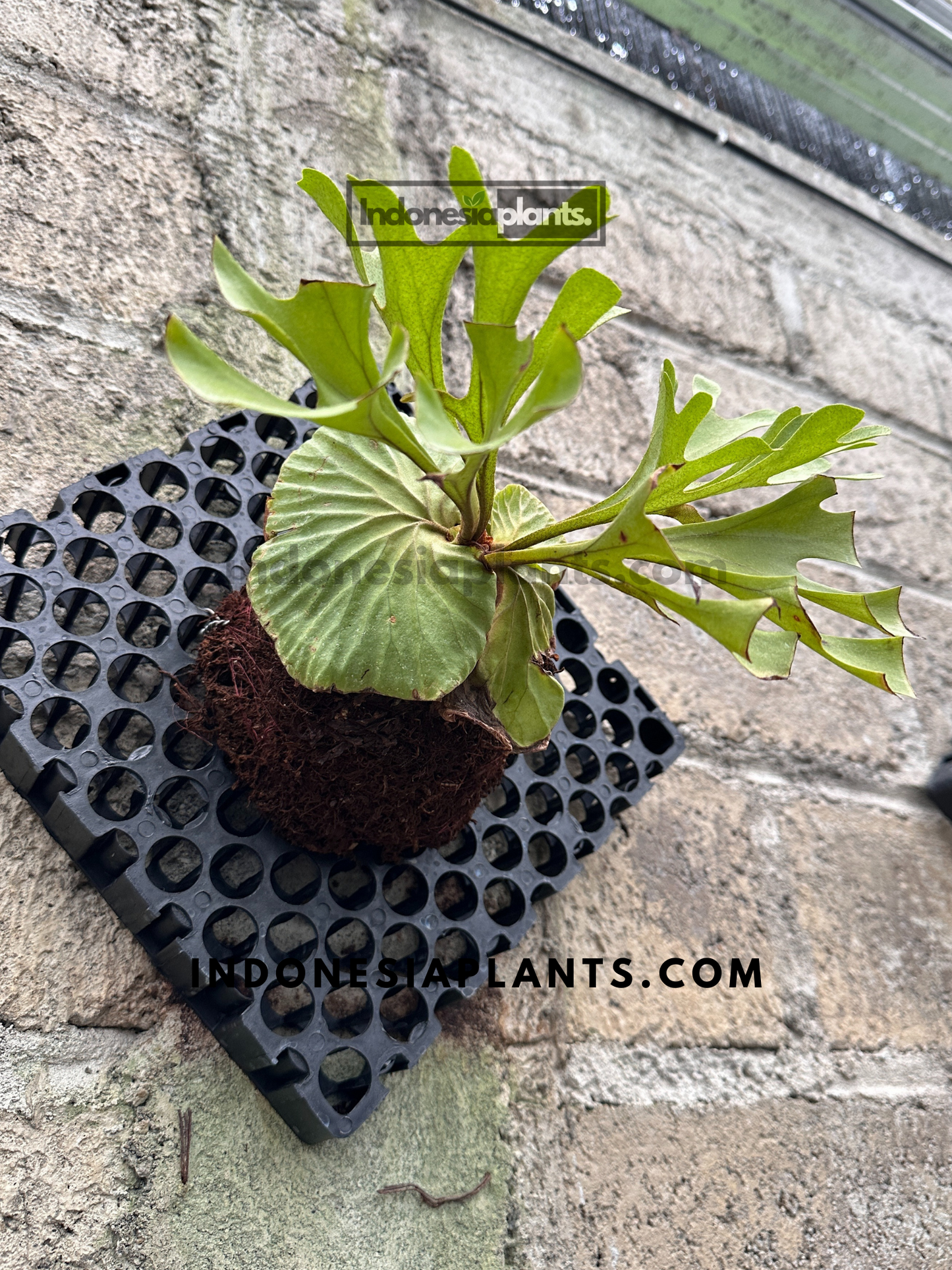
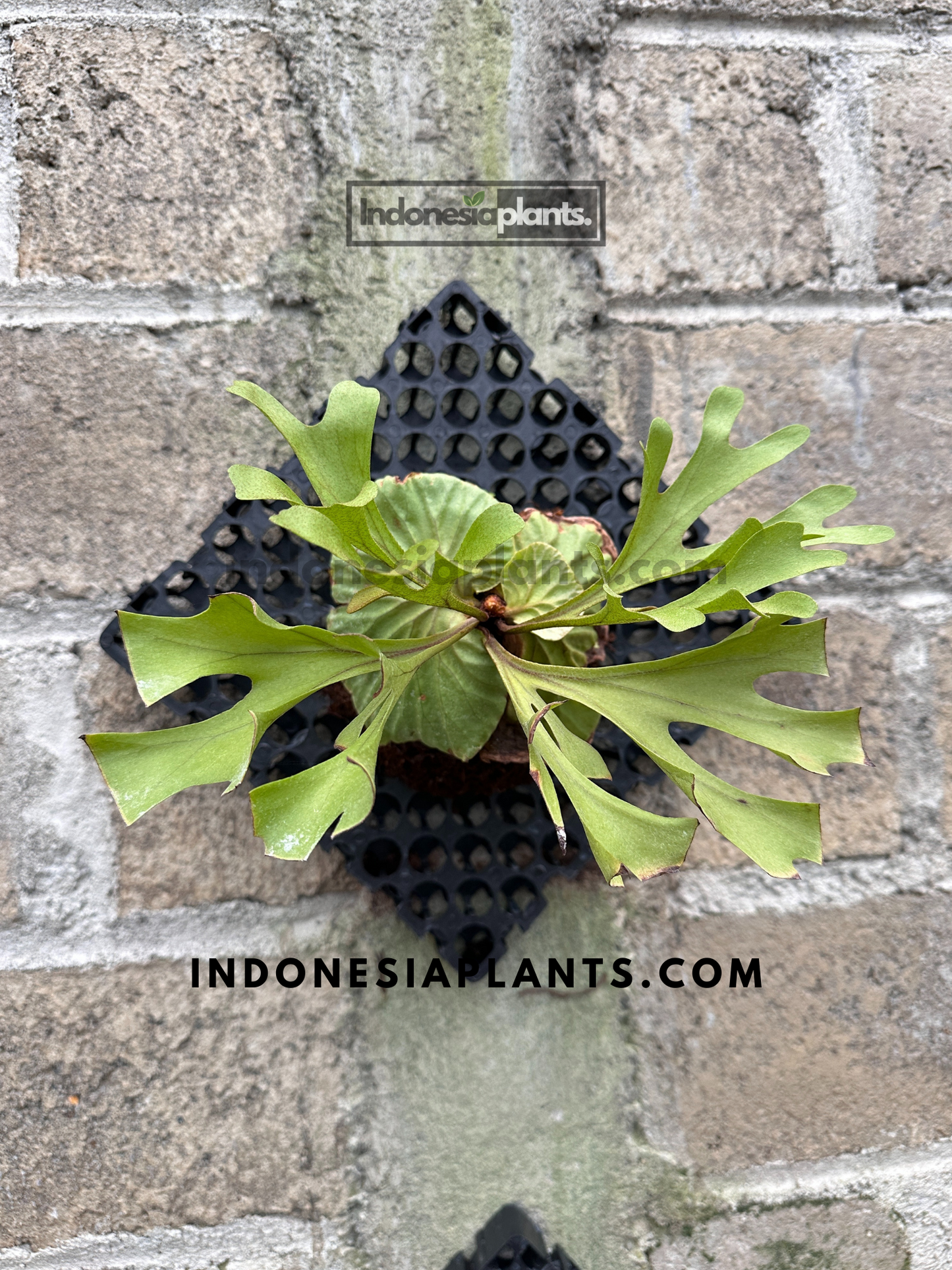
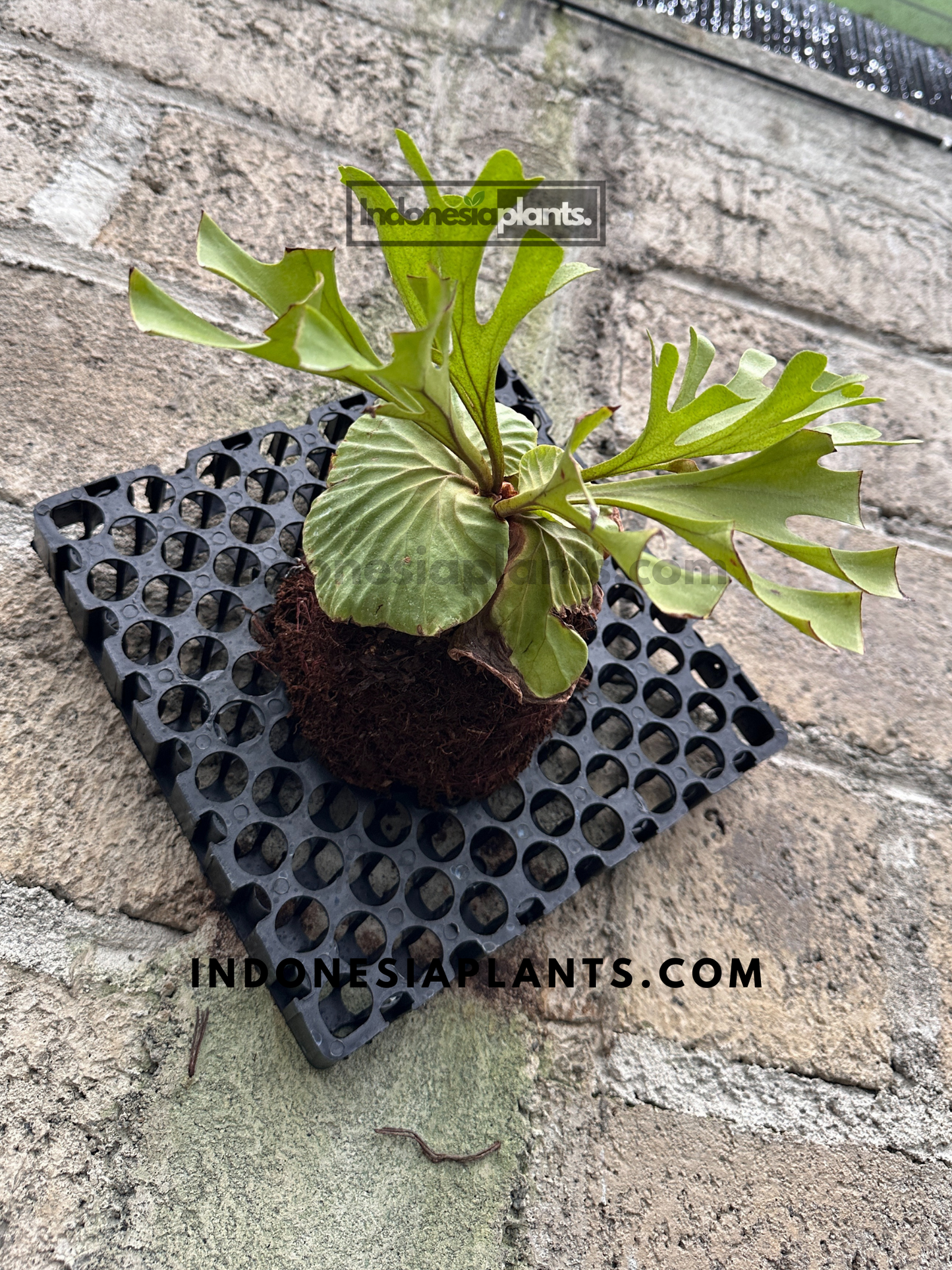
Platycerium Ridleyi, commonly known as the Stag Horn Fern, features unique, fern-like fronds that resemble deer antlers. Its distinctive appearance makes it a stunning addition to any plant collection, ideal for hanging baskets or mounted on wood.
What You Will Receive:
- A healthy, well-rooted Platycerium RIdleyi.
- Plant size may vary depending on stock; please refer to product photos for details.
- Carefully packaged to ensure the plant arrives in perfect condition.
Platycerium Ridleyi: A Stunning Fern with Exotic Charm
Platycerium Ridleyi: The Exotic Beauty for Your Indoor Garden
Platycerium Ridleyi, commonly known as the Ridley’s Staghorn Fern, is a unique and striking species of fern that captivates plant collectors with its dramatic, antler-like fronds. This plant features large, feathery fronds that resemble a stag’s antlers, giving it a one-of-a-kind look that makes it an eye-catching addition to any plant collection. Native to Southeast Asia, particularly Indonesia and Malaysia, it thrives in humid environments, making it ideal for indoor spaces that provide warmth and moisture.
This fern is a true tropical treasure, valued for its ability to add texture and depth to plant displays. Platycerium Ridleyi’s fronds emerge in a bold, upward-curving pattern, giving it a unique sculptural appearance that commands attention. Unlike many other ferns, its fronds are not delicate but instead offer a robust, hearty texture that enhances its overall beauty.
Why Platycerium Ridleyi is a Must-Have for Fern Enthusiasts
- Exotic and Unique Appearance: Known for its distinctive, antler-shaped fronds, the Ridley’s Staghorn Fern adds a dramatic and exotic flair to any indoor plant display.
- Ideal for Humid Environments: Platycerium Ridleyi thrives in humid, warm conditions, making it an excellent choice for bathrooms, kitchens, or terrariums.
- Perfect for Vertical Displays: With its epiphytic nature, this fern is perfect for hanging baskets, wall-mounted displays, or even being mounted on driftwood to mimic its natural growing conditions.
Provenance — A living sculpture from the canopy
Platycerium ridleyi is a coveted staghorn fern prized for its sculptural architecture and refined growth habit. An epiphyte by nature, it grows on trees rather than in soil, forming a layered “shield and antler” silhouette that reads like botanical art. In bright, filtered light the fronds throw elegant shadows, and the plant develops a poised, gallery-ready presence with surprisingly modest footprint requirements.
Morphology — Shield plates and antler fronds
Ridleyi builds two distinct leaf types. The sterile shields sit close to the mount, overlapping into a cupped, ribbed plate that protects the root rhizome and creates a pocket for organic debris. From behind this armor, the fertile fronds rise and branch into broad, bifurcating antlers—thick, slightly leathery, and often dusted with a pale bloom. Juvenile shields open fresh green, then cure deeper and woodier in tone; fertile fronds hold a satin sheen that photographs beautifully under side-light.
Mounting & Display — How to frame the form
This species shines when mounted vertically on a cedar board, hardwood slab, or open basket. Use nylon or soft ties to seat the rhizome firmly against a well-draining epiphyte pad (long-fiber sphagnum over a layer of airy chunks such as orchid bark and fern fiber). Hang where fronds have room to extend—console walls, window flanks, reading nooks—so the antlers can cast crisp, architectural shadows without brushing traffic.
Culture Protocol — Medium and support, not “potting”
Skip conventional potting soil. Build an oxygen-forward epiphyte stack that holds moisture yet breathes: a base of coarse orchid bark and tree-fern fiber, topped with long-fiber sphagnum as a hydration buffer. The shield plates will slowly engulf the pad as the plant matures; refresh outer moss lightly rather than packing the crown. Good airflow is essential; still, avoid blasting vents.
Hydration Cycle — Soak, drain, and dry the edges
Watering is rhythmic and deliberate. When the sphagnum layer is springy-dry to the touch, remove the mount and soak the pad (not the frond tips) in room-temperature water until fully hydrated; allow it to drip-dry before rehanging. In bright seasons this may be 2–3 times per week; in cooler, dimmer conditions, reduce frequency. Mist the backside pad lightly between soaks if ambient humidity dips. Keep water off the central crown cavity—hydration should target the pad, not collect in the shields.
Light & Climate — Bright, diffused, and buoyant
Aim for long hours of filtered brightness—east light, a bright north exposure, or behind sheers. Direct, hot midday sun can mark fronds; deep shade slows growth and narrows branching. Target 20–30 °C (68–86 °F) with ~55–70% RH and gentle circulation. Under LEDs, provide a broad, even wash at comfortable distance to avoid hotspots on the fertile fronds.
Styling Sets — Curate a clean vignette
- Backdrop & materials: Limewash, microcement, and pale timber amplify dimensional shadows from the antlers.
- Companions: Mount alongside Hoya baskets for a trailing counterpoint or stage near a velvety Anthurium for plush contrast.
- Palette: Frames in oatmeal, ecru, teak, or charcoal let the frond geometry lead. A narrow up-light at golden hour creates a quiet halo without glare.
Quick Diagnostics — Signals → adjustments
- Shield bronzing or crisp edges: Usually late watering or drafts—tighten soak cadence and soften airflow.
- Flattened frond texture / slow push: Increase total hours of filtered brightness; confirm the pad fully rehydrates during soaks.
- Blackened tips: Often standing water on frond ends or harsh sun—keep irrigation to the pad and diffuse midday rays.
- Pad stays wet for days: Thin the sphagnum layer or increase bark/fiber to restore oxygen.
- Loose mount / wobble: Retie with soft ties; stable contact improves hydration uptake and overall vigor.
Architectural, space-efficient, and unmistakably collectible, Platycerium ridleyi brings a curated, gallery feel to modern interiors—a living wall sculpture with a calm, repeatable routine.
Kindly reach out to us at indonesiaplants@gmail.com if you have difficulties in your purchase or have any questions.