

INDONESIAPLANTS
Philodendron Gigas
Philodendron Gigas
Couldn't load pickup availability
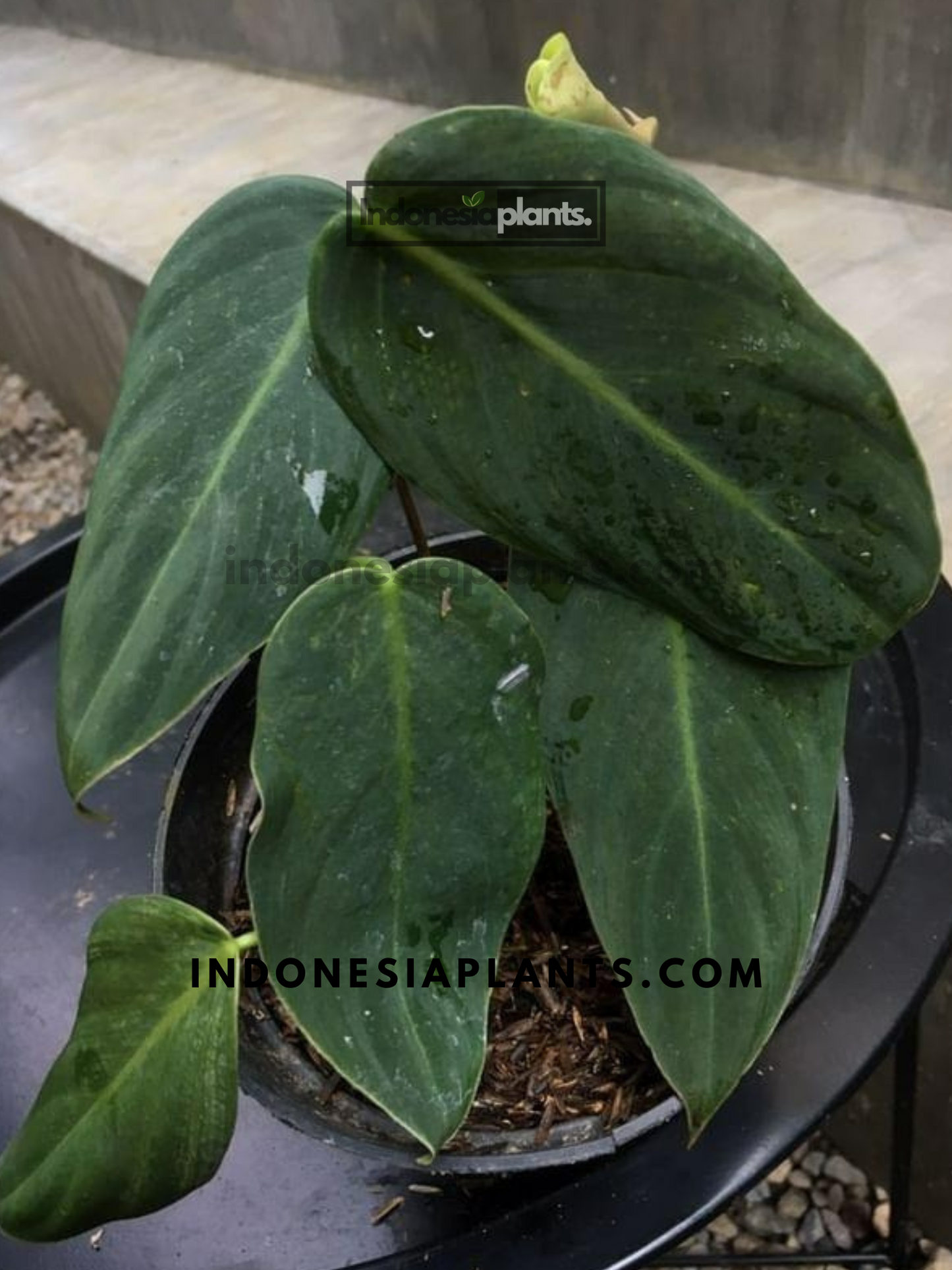
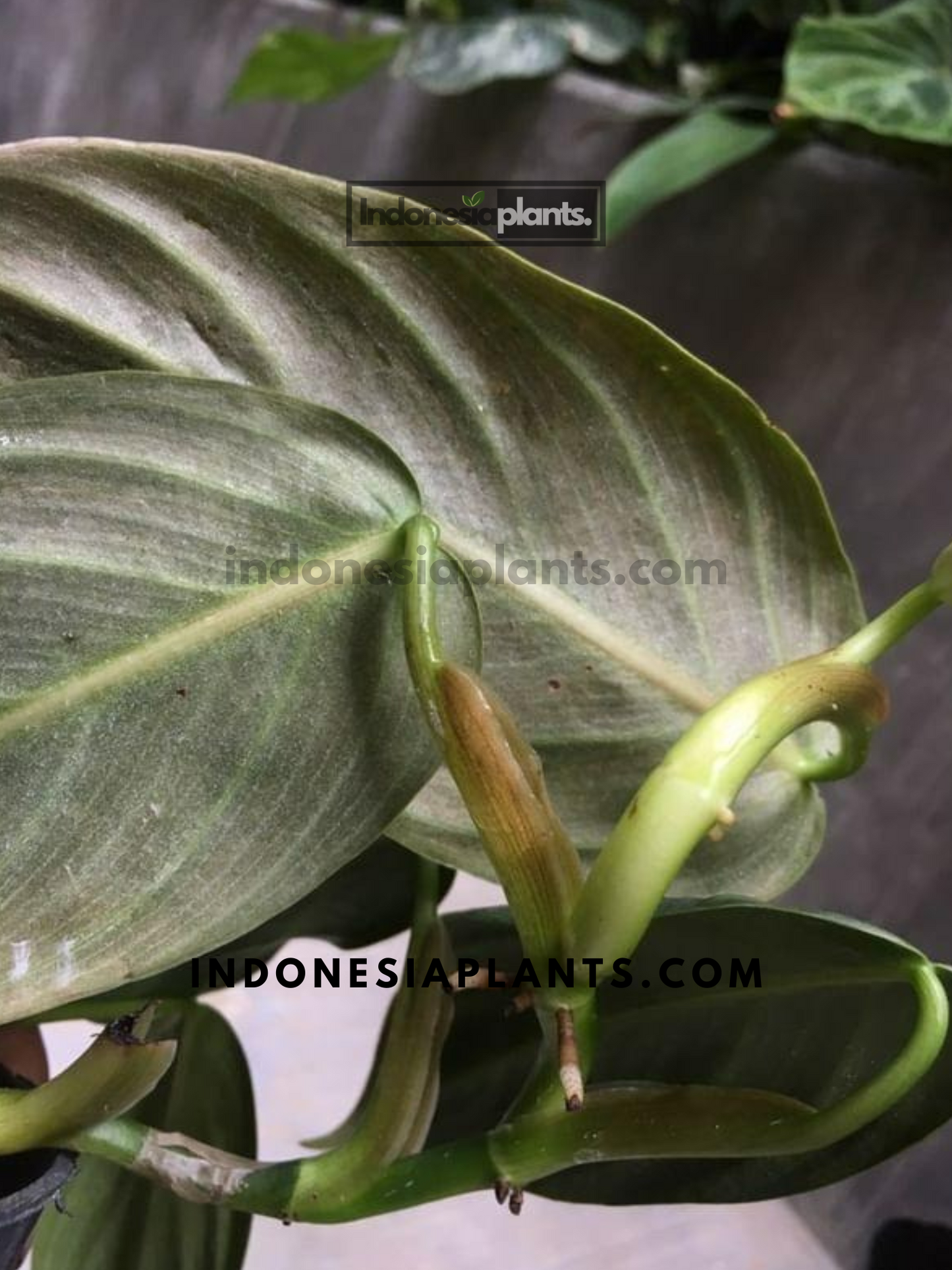
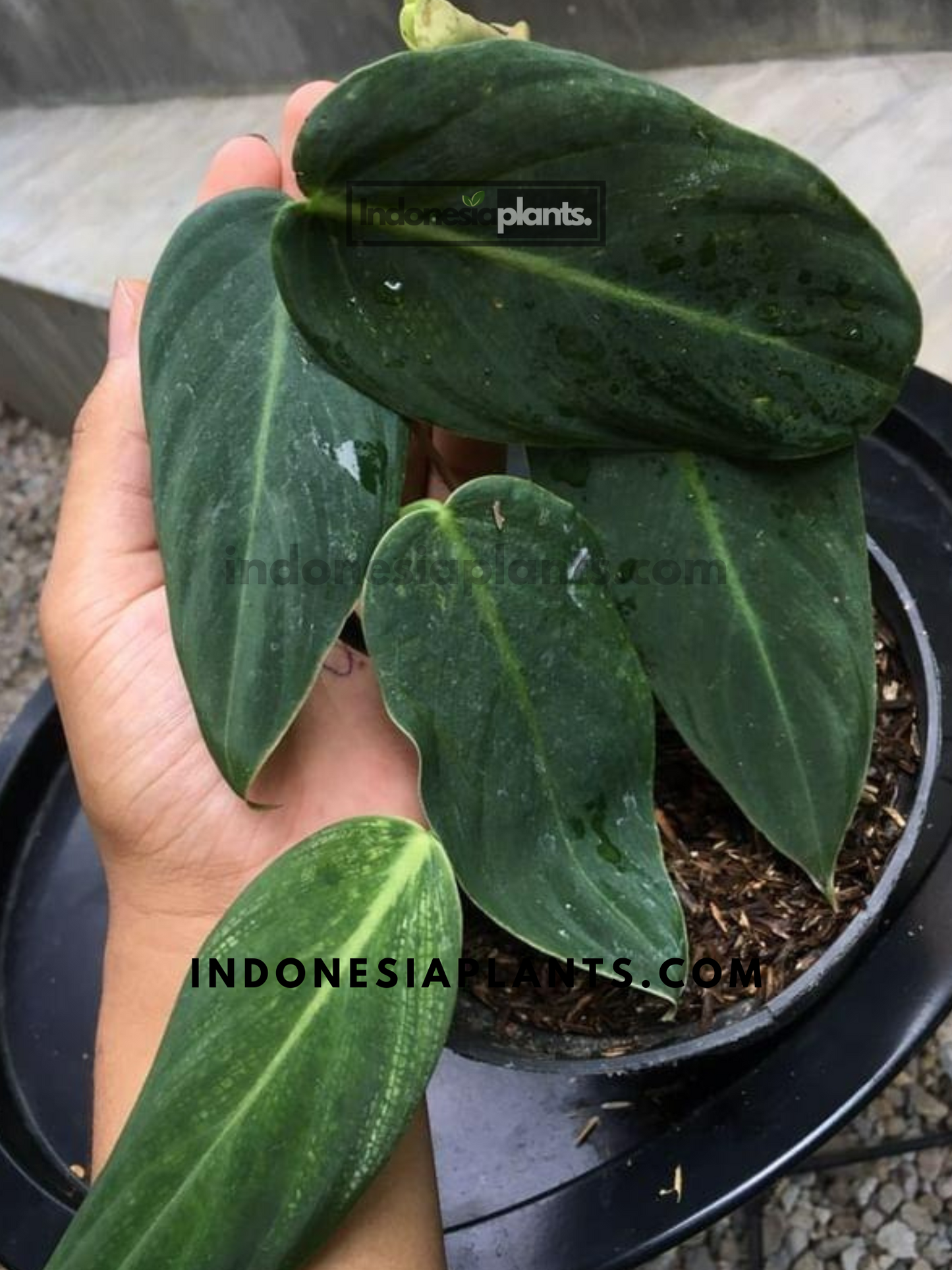
See photos for reference of the plant features only. Sent to you more likely as featured with descriptions below:
Minimum of 3 leaves
Rooted not cuttings
Philodendron Gigas: Majestic Foliage with Stunning Texture
Philodendron Gigas is a true showstopper with its large, leathery leaves and bold growth. This tropical beauty is known for its glossy, deep green foliage and its ability to grow quickly under optimal conditions. It’s perfect for plant collectors who love a challenge and want to add a dramatic presence to their space.
Distinctive Features of Philodendron Gigas:
- Large, Glossy Leaves: Its big, leathery leaves provide an attractive sheen and texture.
- Rapid Growth: Known for its fast-growing nature, Philodendron Gigas can quickly become a statement plant.
- Tropical Vibe: With its bold appearance, it brings a lush, tropical ambiance to any home.
Model Overview
Meet Philodendron gigas: a velvet-leaf climber famed for bronze-to-copper new growth that matures to deep, bottle-green with a soft, luminous nap. Long, elegant blades and a poised midrib give it runway presence even in minimal rooms. Train it up a slim support and you’ll see internodes tighten, leaves lengthen, and the velvety surface glow under side light—an instant “designer” plant that photographs beautifully.
Assembly (Support & Form Factor)
Install a slim moss pole, coco totem, or flat cedar board at potting time. Seat the support firmly; guide the main leader so the stem hugs the surface. Secure every node with soft ties until aerial roots set. This appressed habit is the gigas advantage: closer stem → tighter spacing → larger, more composed foliage with that signature satin velvet.
Power (Light Input)
Operate in bright, diffused daylight—east exposure or a luminous zone behind sheers. Even luminance preserves coppery unfurls and keeps mature leaves richly saturated. Harsh, unfiltered midday sun can etch tender tissue; dim corners elongate internodes and dull the finish. If spacing stretches, raise overall brightness (still filtered) before touching fertilizer.
Cooling & Air (Climate Envelope)
Comfort band: 18–29 °C (65–85 °F) and ~55–70% RH with gentle airflow. Calm air keeps margins clean; avoid AC blasts or heater streams. A mild humidity bump refines unfurls on big, thin lamina.
Fuel (Water & Nutrition)
- Water rhythm: When the top 2–3 cm (≈1 in) of mix dries, water thoroughly and allow full drainage. Consistency (not constant wet) protects edges on velvety blades.
- Substrate: Oxygen-forward aroid blend—~40% chunky orchid bark, 25% coco fiber/coir, 20% pumice/perlite, 10% horticultural charcoal, plus a light sphagnum buffer. Air first; even moisture second.
- Feeding: Light nutrition ¼–½ strength during active months sustains color clarity and steady sizing.
Maintenance (Finish & Fit)
Dust one or two leaves weekly with a soft cloth; avoid oily leaf-shine on velvet. Remove spent sheaths to keep the crown crisp. Quarter-turn the planter every two weeks so the newest leaf lives in your brightest safe pocket and the column stays centered.
Performance Tuning (Shape & Scale)
- Want taller, faster? Keep the apex within your brightest filtered light and keep the stem tight to the support.
- Want fuller at the base? Tip-prune once to encourage a side shoot, then guide both leaders up the board for a double-column look that still fits narrow spaces.
Safety & Placement
As with many aroids, keep foliage out of nibbling reach. Indoors, the velvet surface is naturally low-glare; stage against pale timber, limewash, or microcement so the silhouette and coppery new leaves read clearly.
Troubleshooting (Signals → Actions)
- Long gaps, smaller leaves: Increase even luminance; confirm the stem is flush to its support.
- Edge crisping: Typically late watering or dry drafts—tighten cadence and soften airflow.
- Dull, flat new growth: Check light first; resume gentle feeding only after brightness is optimized.
- Persistent wet mix: Boost bark/pumice fraction or step down one pot size for aeration.
Styling Presets
- Monochrome Calm: Charcoal planter + pale wall; let side light skim the velvet for a soft midrib highlight.
- Warm Studio: Raw oak, rattan, or travertine to echo coppery unfurls; sand/ecru vessels frame the green.
- Texture Dialogue: Pair with a velvety Anthurium (plush vs. sleek) or silver-brushed aroid for contrast without clutter.
Kindly reach out to us at indonesiaplants@gmail.com if you have difficulties in your purchase or have any questions.