

INDONESIAPLANTS
Philodendron Gigas Large
Philodendron Gigas Large
Couldn't load pickup availability
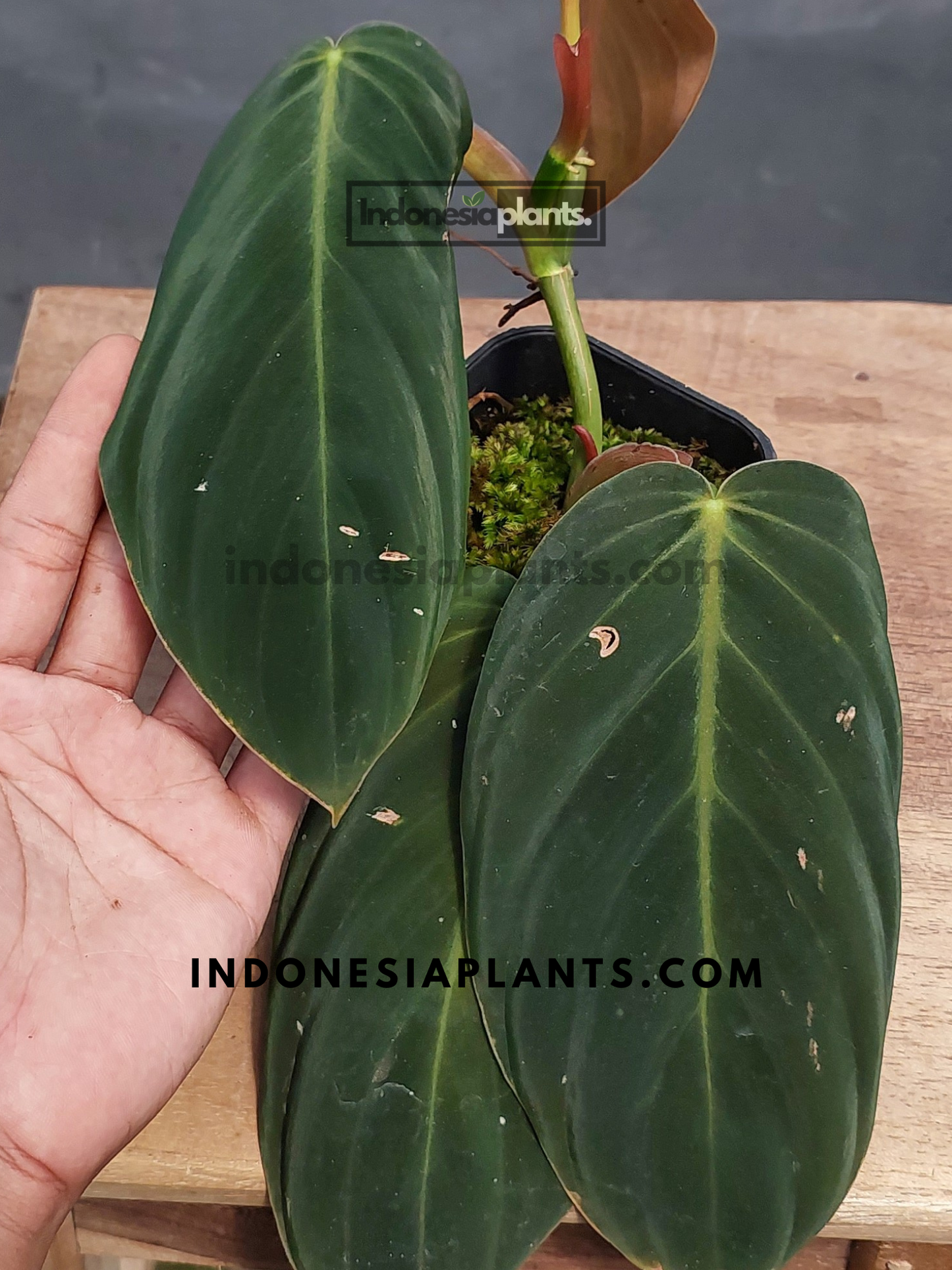
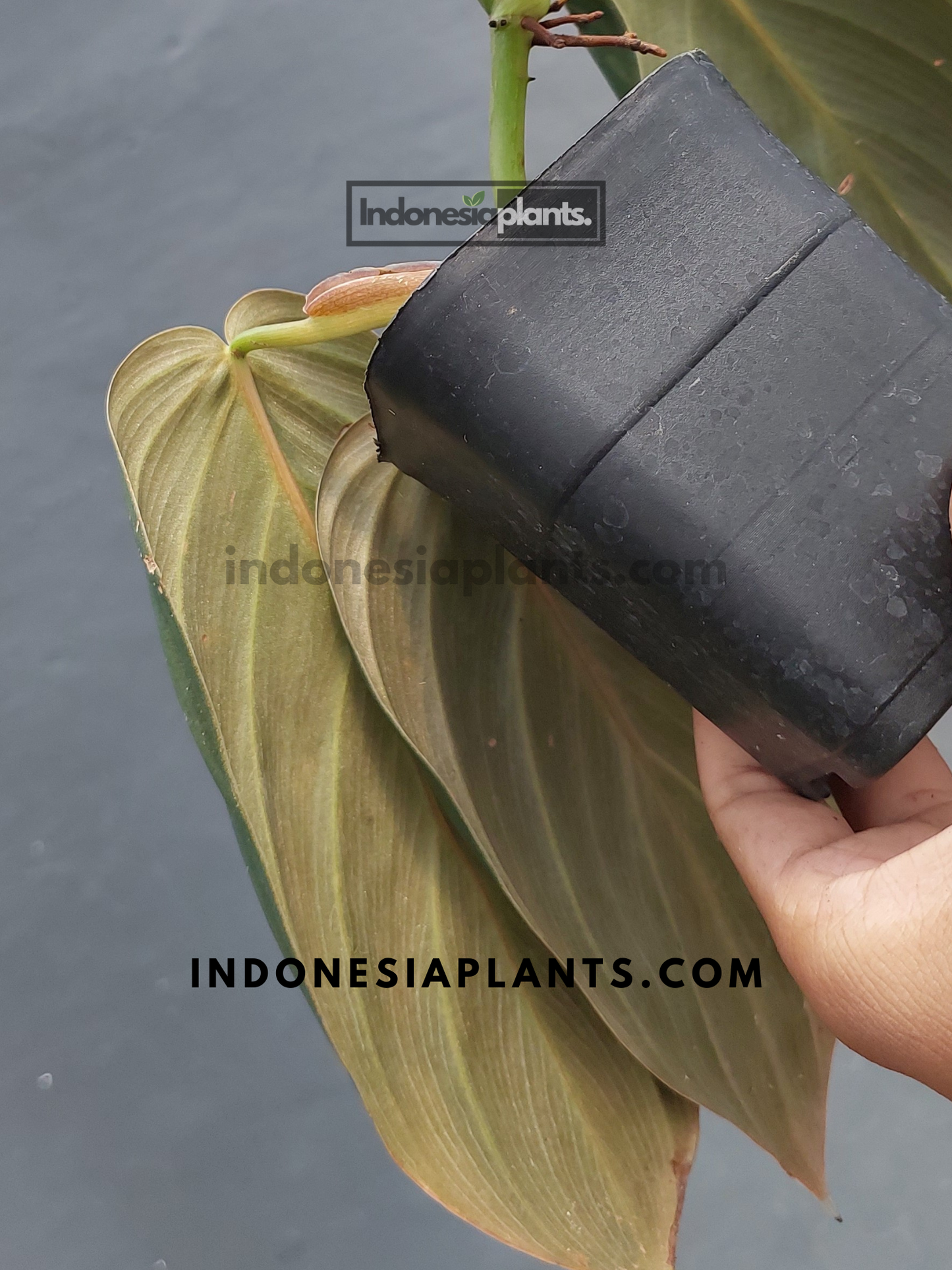
See photos for reference to the plant features only. They are likely sent to you as featured with the descriptions below.
Minimum of 3 Leaves
Plants shipped will have a minimum of 3 leaves and will be rooted, not cuttings.
Philodendron Gigas Large: A Stunning, Bold Presence for Your Indoor Garden
For those who prefer a grander scale, Philodendron Gigas Large is the ultimate choice. With larger leaves and a more robust growth habit, this plant makes a dramatic statement in any room, bringing a touch of the tropics into your home with ease.
Features of the Gigas Large:
- Massive, Glossy Leaves: The large, waxy leaves add a bold touch, making it the focal point of any space.
- Rapid Growth: This variety grows faster, offering quicker results for collectors looking for dramatic impact.
- Tropical Vibe: With its lush, broad leaves, it creates an exotic atmosphere.
Sight (What you notice first)
A large Philodendron gigas brings cinematic foliage to the room: long, elegant blades that emerge bronze to copper and mature into deep bottle-green with a soft, satin velvet glow. Each leaf carries a confident midrib and refined taper, so even at scale it feels tailored, not heavy. Under side light, the surface throws a gentle highlight—no harsh glare—so the plant reads luxe in photos and in real life.
Touch (Surface & texture story)
The lamina is velvet-smooth to the eye, with the faintest nap that catches light like suede. Petioles sit neatly and the newest leaf often shows a subtle two-tone before deepening. This plush finish is why gigas is a favorite for studio corners and content shoots—velvet absorbs visual noise and lets the form do the talking.
Space & Scale (How it fills a room)
At this size, gigas becomes vertical architecture. Train one or two leaders on a slim moss pole, coco totem, or flat cedar board and the plant stacks into a tall, disciplined column that fits beside consoles, windows, or bookcases without hogging floor space. Leaves lengthen and broaden as the apex lives in your brightest safe pocket, creating a graceful curtain of green with coppery new growth at the top.
Light Choreography (Make the velvet glow)
Aim for bright, diffused daylight—east-facing glow or any luminous zone behind sheers. Even luminance tightens internodes and preserves that bronze-to-green gradient. Filter strong midday sun on tender new leaves; dim corners will flatten color and stretch spacing. For photos, angle side light across the blade so a slim highlight rides the midrib while the surface stays velvety.
Care Rhythm (Simple, repeatable routine)
- Water: When the top 2–3 cm (≈1 in) of mix dries, water thoroughly and allow full drainage. Consistency—not constant wet—keeps margins clean on thin, velvety lamina.
- Substrate: Oxygen-forward aroid blend—~40% chunky orchid bark, 25% coco fiber/coir, 20% pumice/perlite, 10% horticultural charcoal, plus a light sphagnum buffer. Air first; even moisture second.
- Climate: Comfortable at 18–29 °C (65–85 °F) and ~55–70% RH with gentle airflow (avoid AC blasts/heater streams).
- Feeding: Light nutrition ¼–½ strength during active months supports steady sizing and color depth.
- Training: Keep the stem close to its support and secure every node with soft ties; this shortens internodes and scales up leaf size.
- Grooming: Dust a couple of leaves weekly with a soft, dry cloth. Skip oily shines on velvet. Quarter-turn the planter every two weeks for balanced exposure.
Placement & Pairings (Design notes)
Neutral vessels—sand, ecru, oatmeal, or charcoal—frame the velvet without glare. Backdrops like limewash, pale timber, microcement, or honed stone let the silhouette draw crisp lines. For a refined duo, pair with a velvety Anthurium (plush vs. sleek) or a silver-patterned aroid to create contrast without visual clutter. Give 20–30 cm (8–12 in) breathing room behind the planter so large leaves cast soft, dimensional shadows.
Quick Diagnostics (Signals → Adjustments)
- Long gaps / smaller leaves: Increase overall luminance (still filtered) and ensure the stem hugs the support.
- Edge crisping: Usually late watering or dry drafts—tighten your cadence and soften airflow.
- Dull new growth: Check light quality first; resume gentle feeding only after brightness is optimized.
- Mix stays wet too long: Boost bark/pumice fraction or step down one pot size to restore aeration.
A large Philodendron gigas is velvet drama done thoughtfully—tall impact, minimal footprint, and a bronze-to-green gradient that makes modern spaces feel finished.
Kindly reach out to us at indonesiaplants@gmail.com if you have difficulties in your purchase or have any questions.