

INDONESIAPLANTS
Philodendron Hederaceum Heartleaf Variegated Starter Plants
Philodendron Hederaceum Heartleaf Variegated Starter Plants
Couldn't load pickup availability
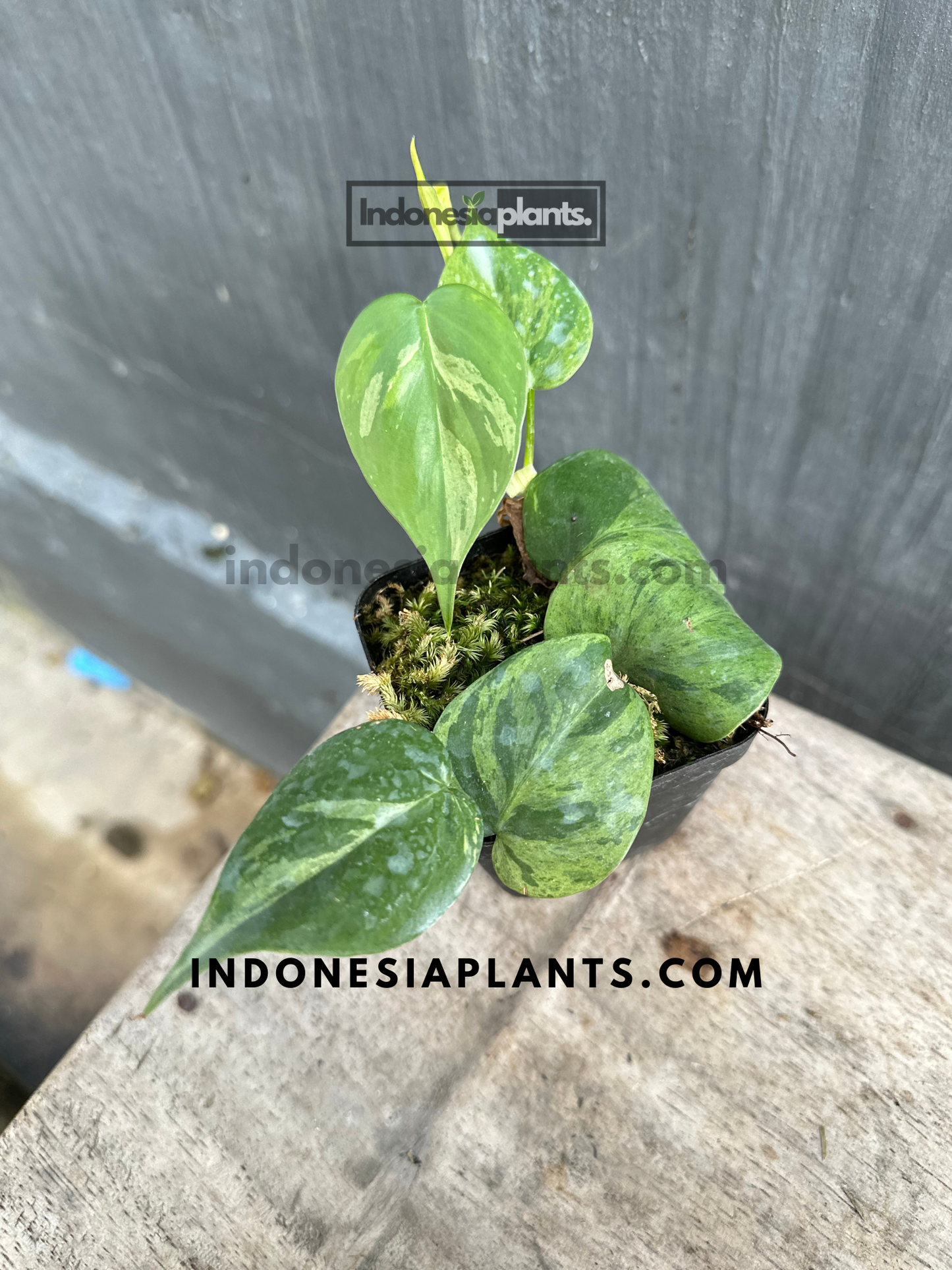
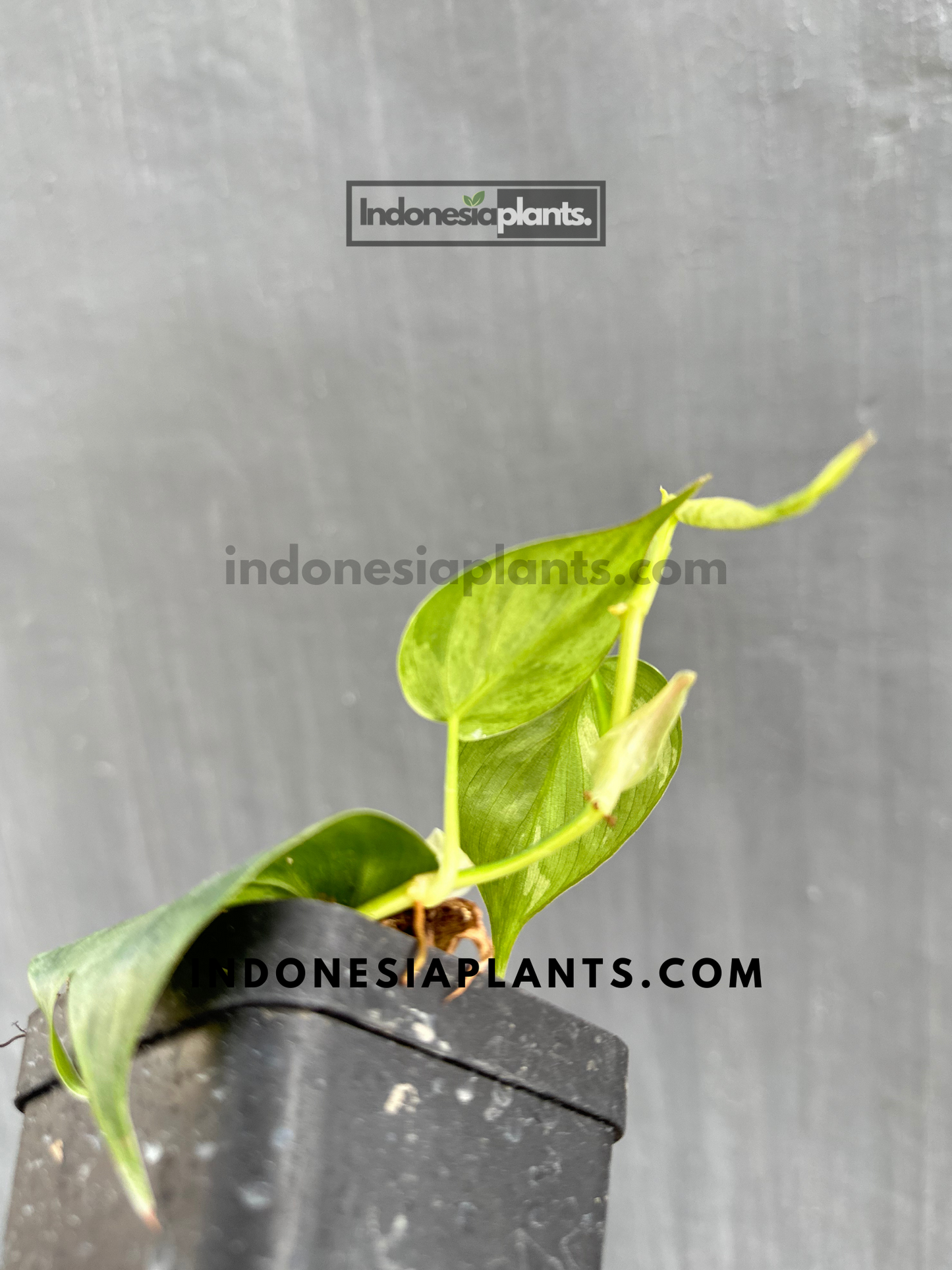
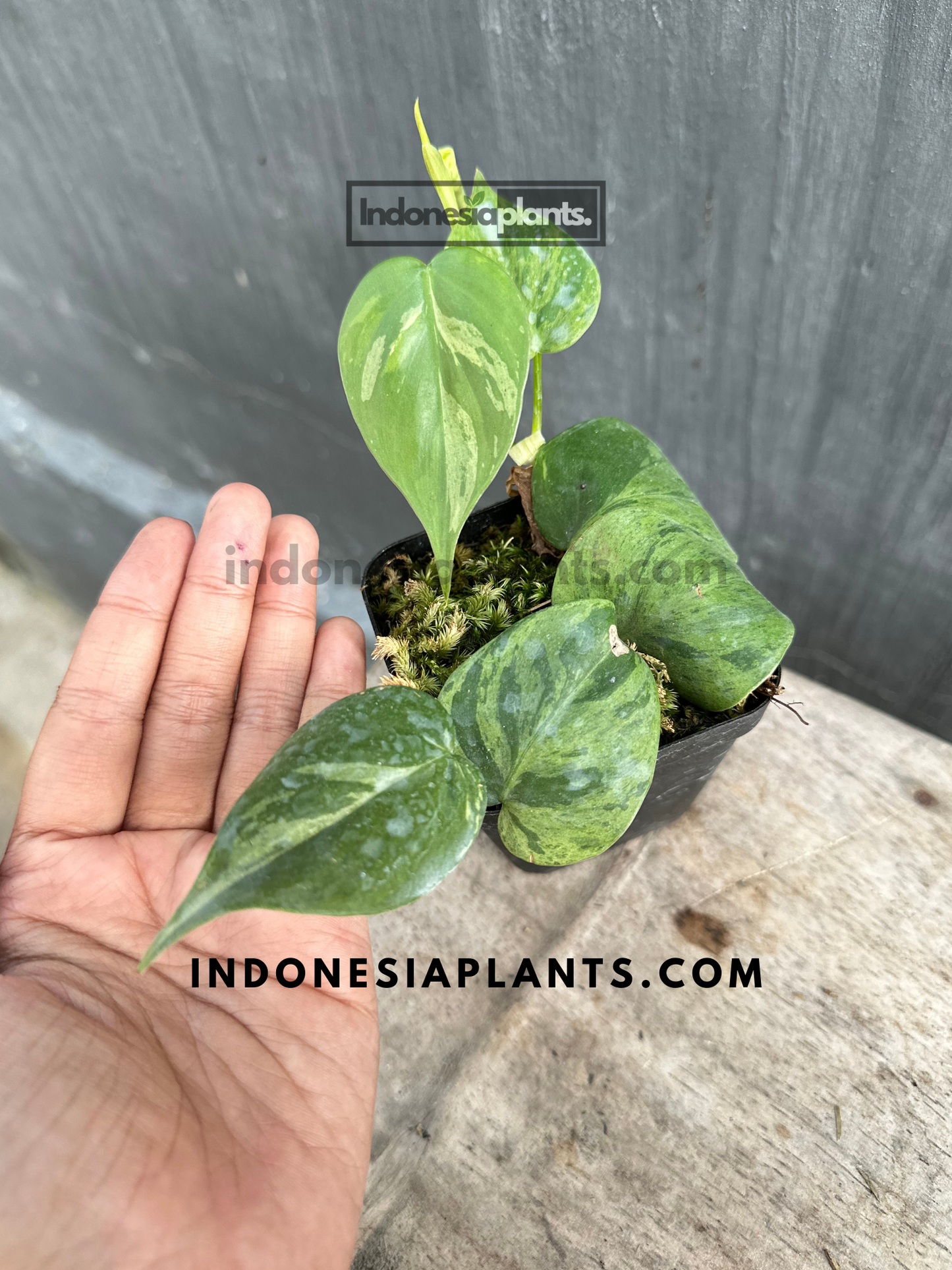
See photos for reference to the plant features only. They are likely sent to you as featured with the descriptions below.
Minimum of 3 Leaves
Plants shipped will have a minimum of 3 leaves and will be rooted, not cuttings.
Philodendron Hederaceum Heartleaf Variegated Starter Plants: A Perfect Start for New Plant Parents
For those new to plant parenting, the Philodendron Hederaceum Heartleaf Variegated Starter Plants are the perfect introduction to the world of houseplants. These smaller, more manageable plants offer the same gorgeous variegated foliage as their mature counterparts, but they’re ideal for those looking to start small. With their charming heart-shaped leaves and easygoing nature, these starter plants will give new plant parents the confidence to nurture their growing collection.
Why Heartleaf Variegated Starter Plants Are Perfect for Beginners:
- Low Maintenance: With proper care, these starter plants thrive without being too demanding, making them ideal for those just starting their plant journey.
- Quick Growth: Even though it’s smaller in size, the starter plant still grows quickly, bringing vibrancy and lush greenery into your home.
What makes these starter plants special?
Juvenile ‘Heartleaf Variegated’ begins compact, with tidy internodes and soft, heart-shaped leaves brushed in creamy sectors, mint flecks, and butter-yellow streaks over deep green. In this smaller format you get fast acclimation, easy placement on shelves or desktops, and the fun of watching marbling patterns diversify with each new leaf. The finish is gentle—satin rather than glossy—so pale areas glow in bright, filtered light and photograph beautifully.
Where should I place a starter heartleaf?
Aim for bright, diffused daylight—an east window, a bright north exposure, or any luminous spot behind sheers. Even luminance keeps stems compact and the creamy tones vivid; dim corners stretch spacing and shift color toward greener. If you use grow lights, set a comfortable distance so high-white panels don’t scorch and the greens stay saturated.
How do I water a small plant without overdoing it?
Follow a calm rhythm. When the top 2–3 cm (≈1 in) of the potting mix dries, water thoroughly and let excess drain fully. Consistency—not constant damp—keeps edges clean on light-colored areas and supports smooth unfurls. Expect a quicker cadence in brighter months and a longer interval in low-light seasons.
What mix works best for starter roots?
Choose an oxygen-forward aroid blend: chunky orchid bark for structure, coco fiber/coir for even moisture, pumice or perlite for aeration, and a pinch of horticultural charcoal. This “air first, even moisture second” formula keeps the juvenile root zone lively and resilient. Use a drainage-first vessel that’s only modestly larger than the root mass to avoid soggy pockets.
What’s the climate sweet spot?
Comfort band is 18–29 °C (65–85 °F) with ~45–65% RH and gentle airflow. Keep foliage away from heater or AC blasts. Light nutrition at ¼–½ strength during active months is plenty; prioritize light quality before increasing fertilizer.
How can I train or style a small specimen?
Let it trail from a shelf or hanging pot for a soft cascade, or guide a stem up a mini trellis or small moss pole to encourage slightly larger, flatter leaves. Pinch the tips to branch and thicken the canopy. For interiors, matte vessels in oatmeal, ecru, or charcoal frame the cream-on-green palette; pair with a velvety Anthurium or silver-washed Scindapsus for a refined texture dialogue.
What are quick signals—and fixes—for starters?
- Variegation fading / long gaps: raise even brightness and rotate weekly so the newest leaf faces the light.
- Brown tips on pale panels: often late watering or dry drafts—tighten your cadence and soften airflow.
- Leaves cupping or curling inward: root zone is likely too dry—water thoroughly, then resume your normal rhythm.
- Mix staying wet too long: increase bark/pumice or step down one pot size to restore aeration.
Growing from a starter means you enjoy the full color story as it unfolds—compact, cooperative, and ready to paint gentle movement into your space.
Kindly reach out to us at indonesiaplants@gmail.com if you have difficulties in your purchase or have any questions.