

INDONESIAPLANTS
Philodendron Lacerum
Philodendron Lacerum
Couldn't load pickup availability
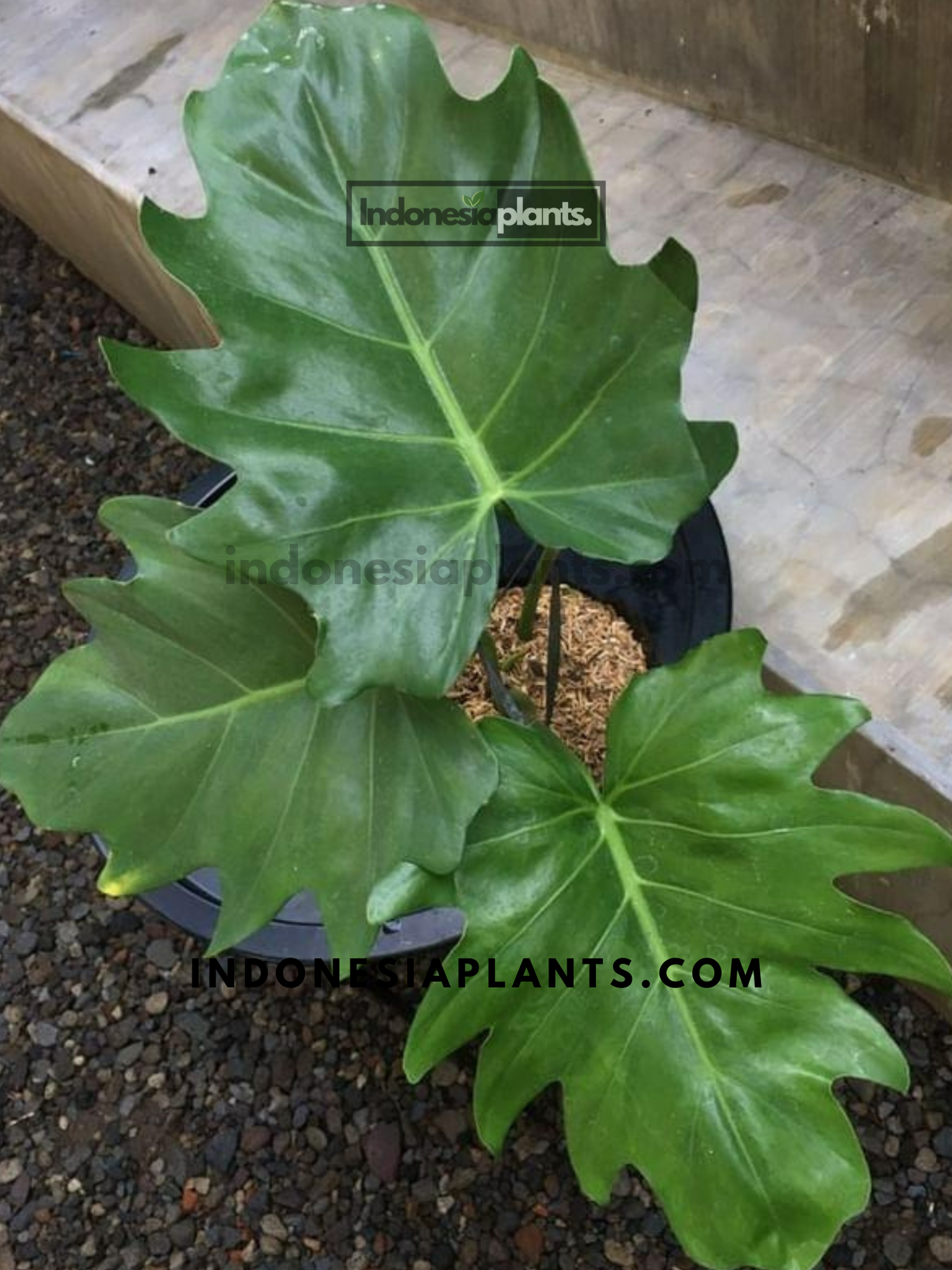
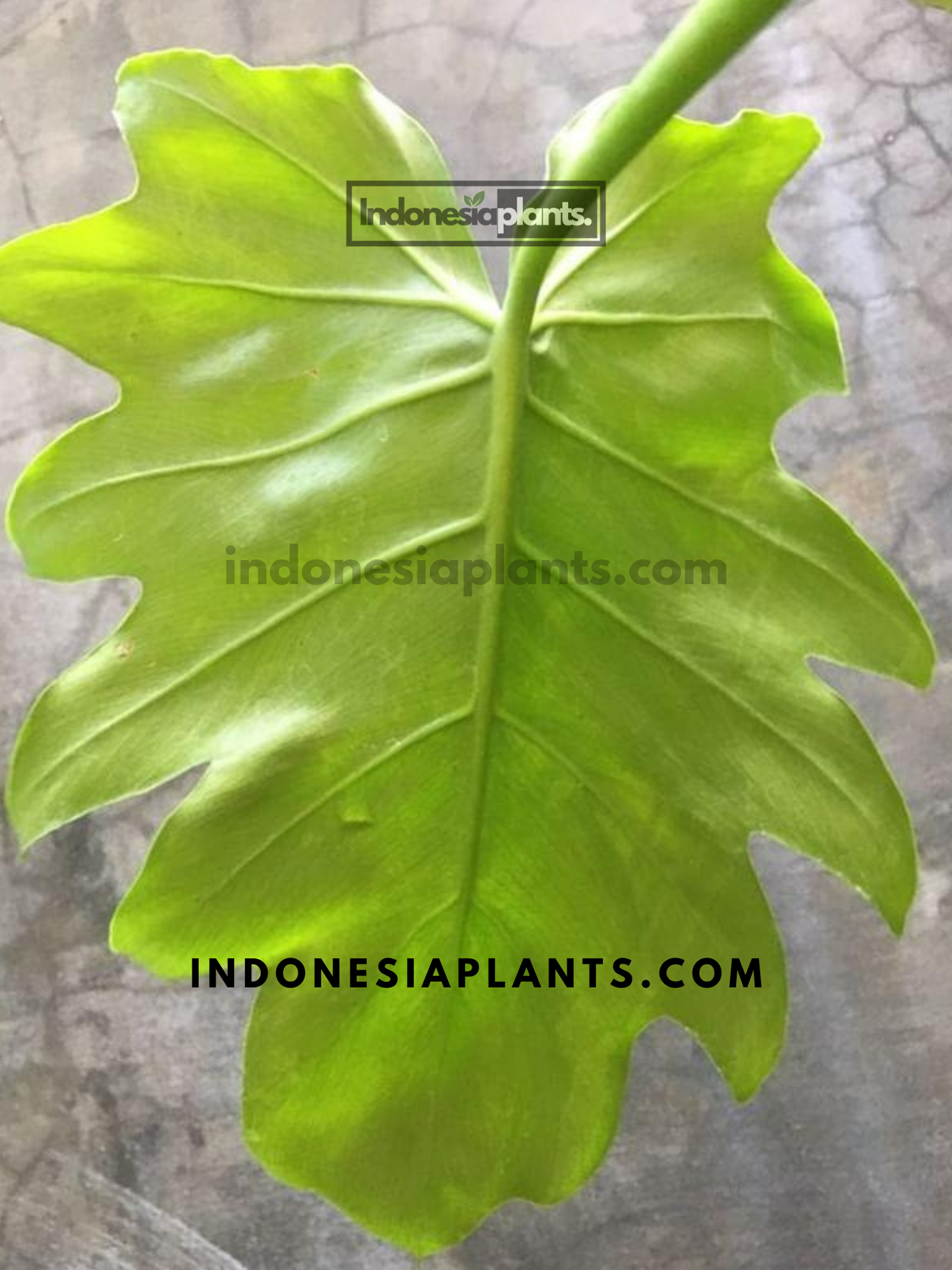
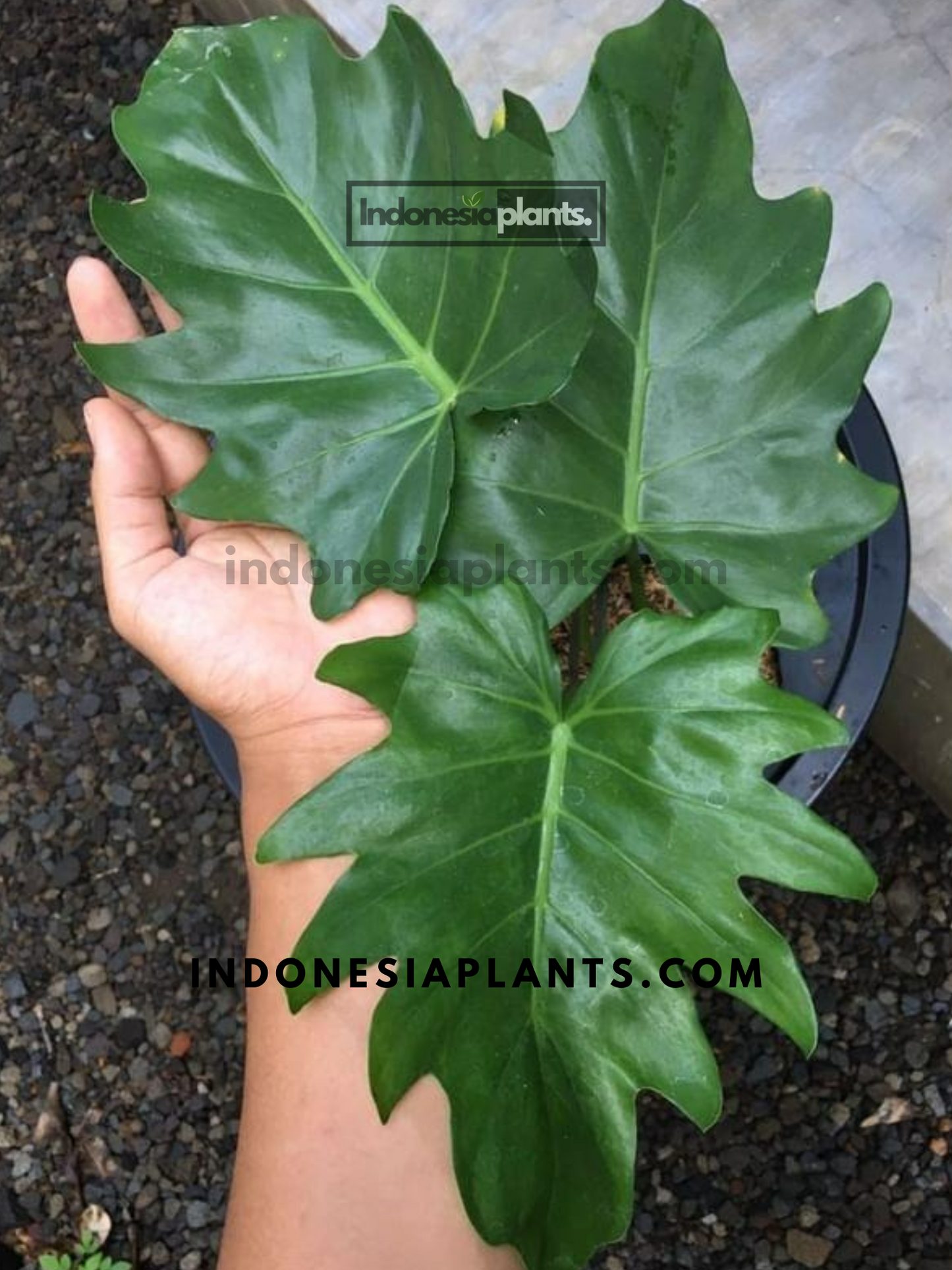
See photos for reference of the plant features only. Sent to you more likely as featured with descriptions below:
Minimum of 3 leaves
Rooted not cuttings
Philodendron Lacerum: Intricate Leaves for the Discerning Collector
Philodendron Lacerum is a truly unique and exotic variety that will captivate both plant collectors and anyone looking for tropical indoor plants with a distinctive appearance. Known for its jagged, lacerated leaves, the Lacerum Philodendron adds a dramatic, architectural element to your home or office. If you're looking to buy rare Philodendron varieties that stand out, this one is sure to draw attention with its beautiful foliage and fast-growing nature.
Why Philodendron Lacerum Stands Out:
- Textured, Jagged Leaves: The Philodendron Lacerum’s deeply lobed, jagged leaves make it an instant focal point in any collection.
- Tropical Vibes: Brings a piece of the tropics into your space with its lush, textured foliage and vibrant green color.
What makes lacerum special
Think of Philodendron lacerum as bold architecture you can train. Its blades mature into deeply cut, pinnatifid leaves with elegant “fingers” and a pronounced midrib, reading like living sculpture in bright, filtered light. New growth opens a fresher mid-green, settling toward a richer, satin to low-gloss finish as it hardens. A naturally climbing philodendron, it rewards support with tighter internodes and increasingly dramatic divisions—perfect for tall, modern rooms that need vertical intent rather than a sprawling footprint.
Method — The simple routine that works
- Light (main heat): Keep it in bright, diffused daylight—east-window glow or a luminous zone behind sheers. Even luminance keeps spacing compact and pushes deeper lobing. Filter harsh midday sun on tender new leaves.
- Substrate (mise en place): Mix an oxygen-forward aroid blend: ~40% chunky orchid bark for structure, 25% coco fiber/coir for even moisture, 20% pumice/perlite for airflow, 10% horticultural charcoal, plus a light sphagnum buffer. The mantra is air first, even moisture second.
- Water (seasoning): When the top 2–3 cm (≈1 in) of mix dries, water thoroughly and let excess drain. A calm cadence—not constant wet—keeps edges from crisping on the thinly cut lobes and supports smooth unfurls.
- Climate (oven temp): 18–29 °C (65–85 °F) with ~50–70% RH and gentle airflow. Keep foliage away from heater/AC blasts; calm air preserves clean margins along those long leaf cuts.
- Support (plating ring): Install a slim moss pole, coco totem, or flat cedar board. Secure every node so the stem hugs the guide—this is the fastest path to big, composed foliage with confident divisions.
- Feeding (finishing butter): Light nutrition at ¼–½ strength in active months sustains color clarity and steady sizing; optimize light first, then add feed.
Plating — Stage it like a designer
- Planter language: Matte stoneware in sand, oatmeal, ecru, or charcoal frames the deep green without glare. A tall cylinder lifts the canopy to eye level while keeping floor space minimal.
- Backdrop & materials: Limewash, pale timber, microcement, and honed stone invite soft, dimensional shadows from the lobes—editorial without visual noise.
- Compositions: Let one leader climb and a secondary shoot arc slightly for depth. Pair with a velvety Anthurium (plush vs. cut) or a silver-washed aroid for cool contrast; keep accessories low-gloss so the foliage leads.
Taste Notes — How it feels in a room
Expect calm drama: the silhouette is airy yet confident, and the long lobes animate gently with airflow. In photos and real life, the satin surface catches side light like a soft highlight along the midrib—refined, never flashy. As light and support remain consistent, each new leaf reads more architectural than the last, turning empty height into a living column.
Troubleshooting — Signals → Adjustments
- Long gaps / simple, narrow leaves: Raise even brightness and ensure the stem is snug to its support; maturity drives deeper lobing.
- Edge crisping on lobes: Usually late watering or dry drafts—tighten cadence and soften airflow.
- Dull, flat new growth: Improve light quality before increasing fertilizer; resume gentle feed only after brightness is corrected.
- Mix stays wet for days: Boost bark/pumice fraction or step down one pot size to restore aeration.
- Leaning column: Refresh soft ties and add a discreet stake; lacerum looks best when centered and upright.
With a disciplined climb and sculptural leaves, Philodendron lacerum is your set-and-style solution for vertical interest—minimal fuss, maximum presence.
Kindly reach out to us at indonesiaplants@gmail.com if you have difficulties in your purchase or have any questions.