

INDONESIAPLANTS
Philodendron Lupinum
Philodendron Lupinum
Couldn't load pickup availability
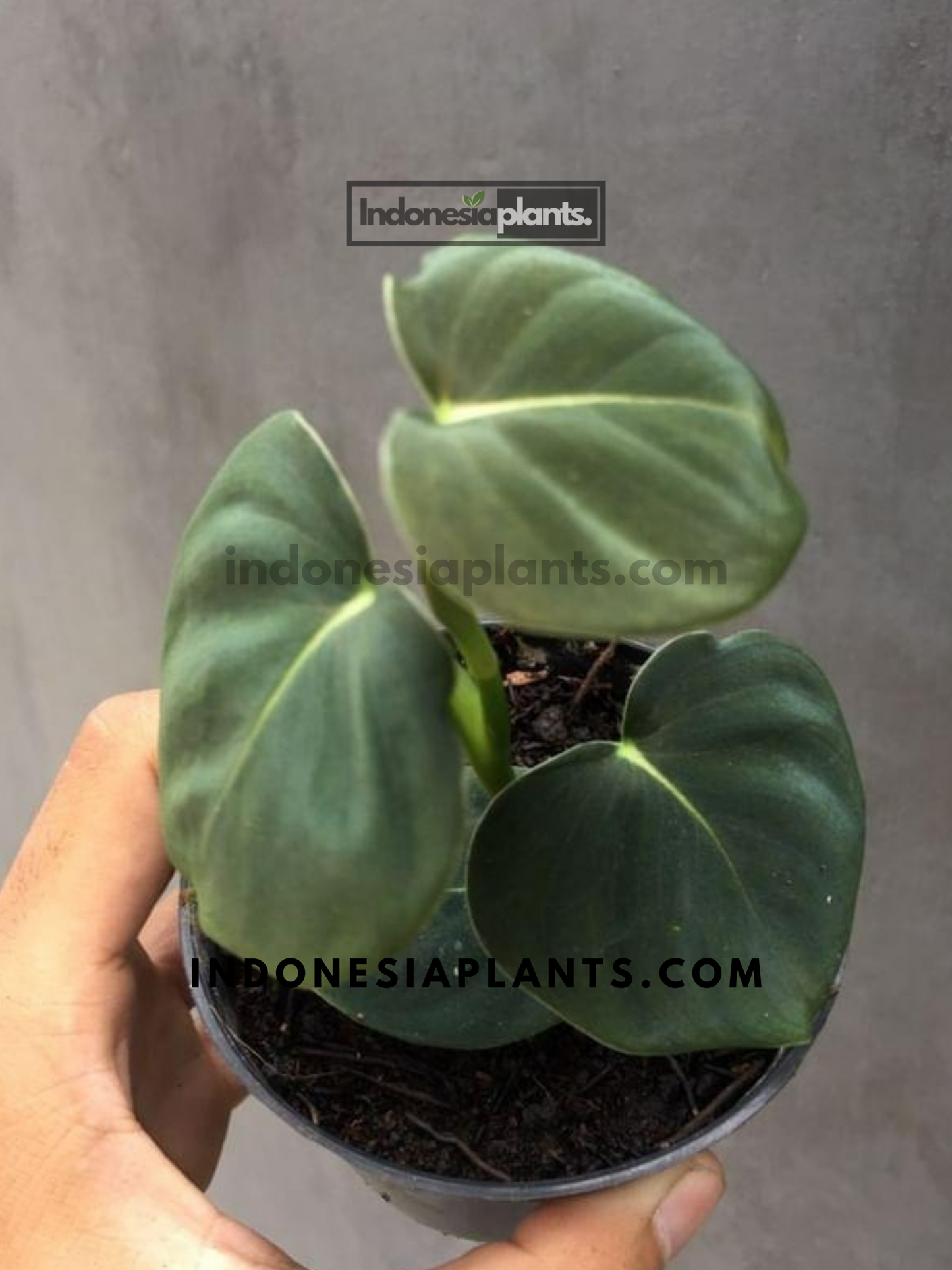
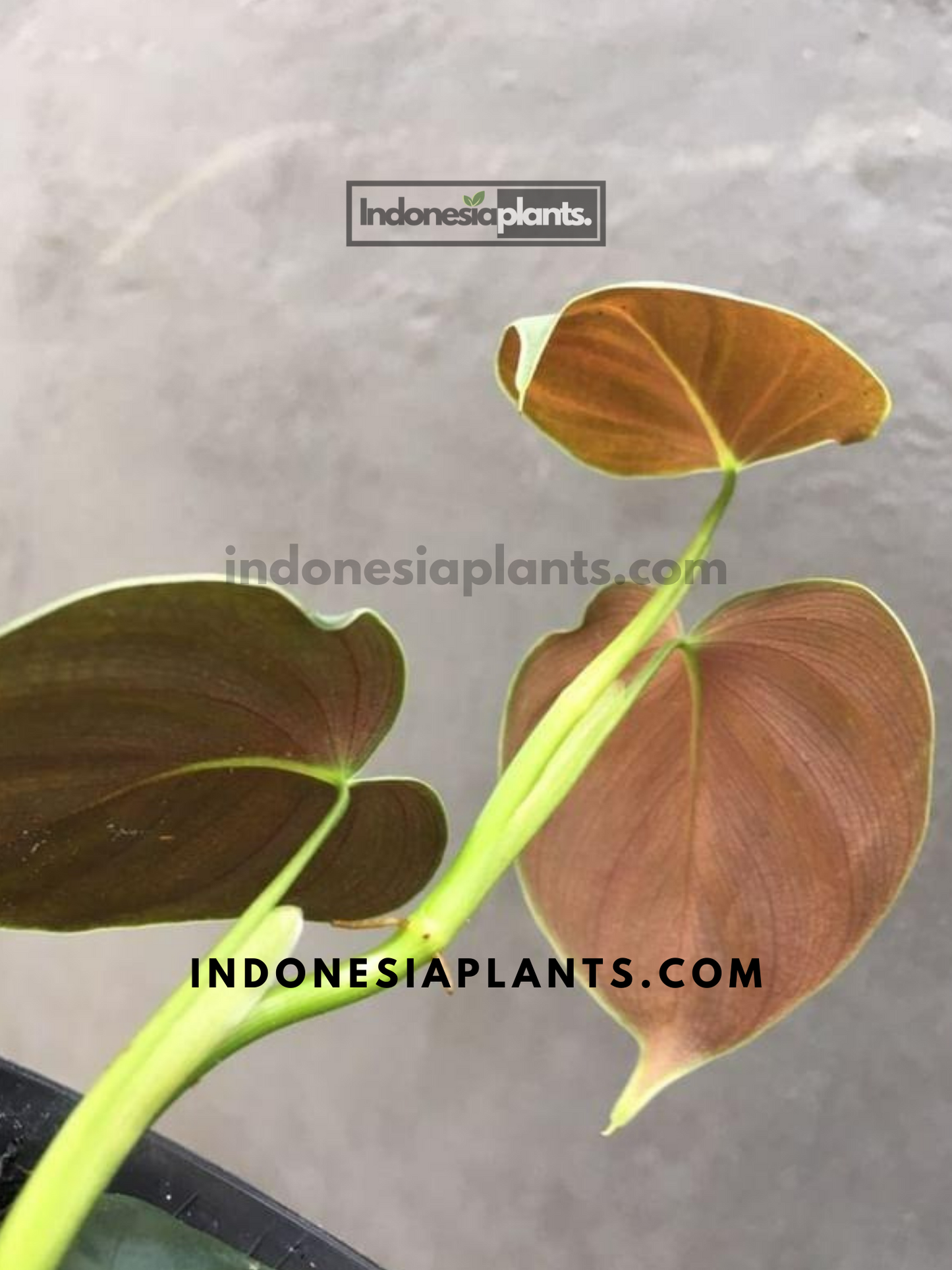
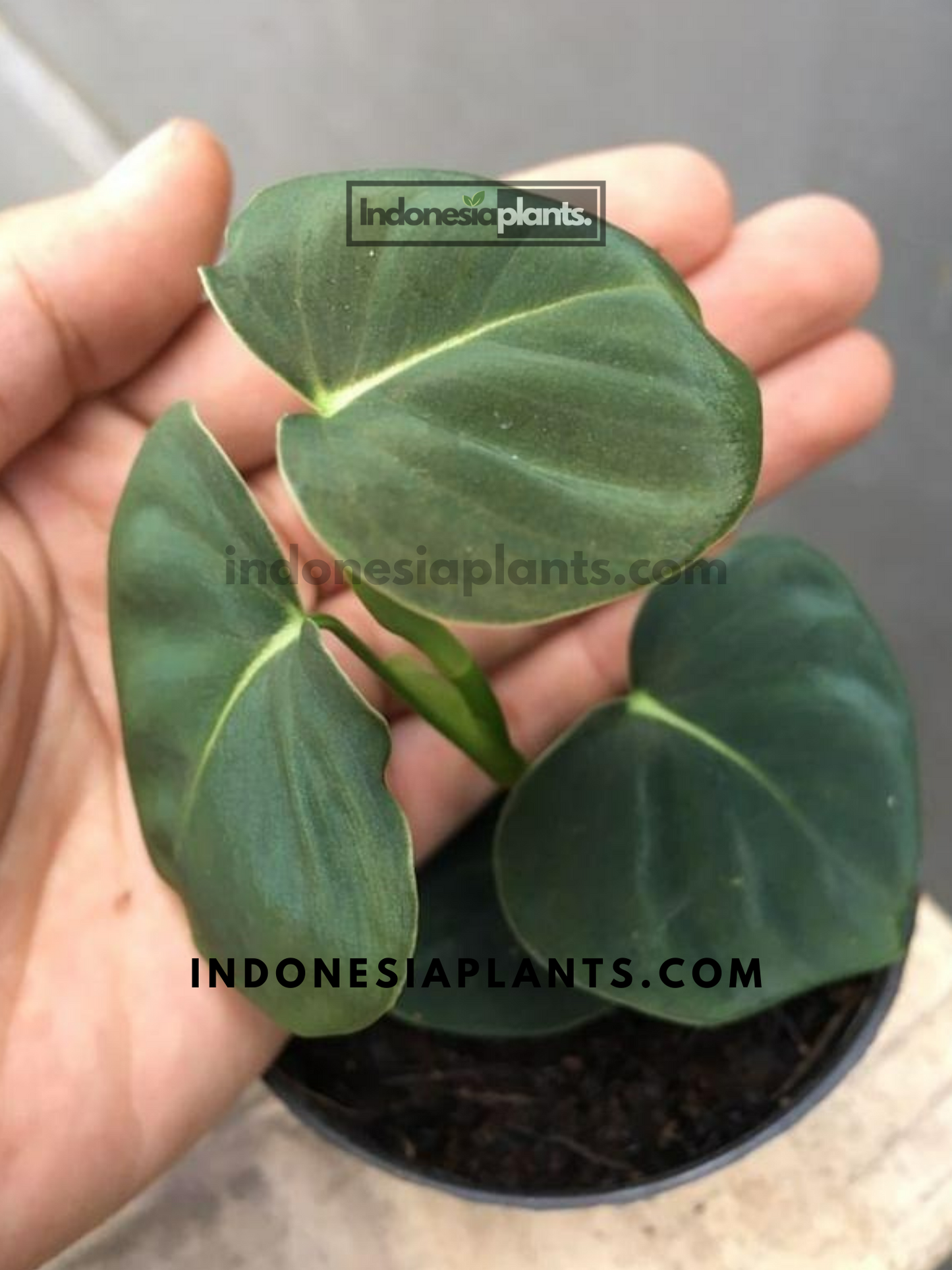
See photos for reference of the plant features only. Sent to you more likely as featured with descriptions below:
Minimum of 3 leaves
Rooted not cuttings
Philodendron Lupinum: A Rare Treasure for Experienced Collectors
Philodendron Lupinum is a rare and highly coveted variety, prized for its intricate, deeply serrated leaves. This plant is ideal for the advanced plant collector who enjoys a challenge. Its unique leaf texture and fast-growing nature make it a showstopper in any collection. Philodendron Lupinum will thrive in an environment that mimics its natural tropical habitat, and with proper care, it can become a truly exceptional addition to your indoor garden.
Why Philodendron Lupinum is a Rare Gem:
- Intricate Leaf Structure: Known for its deeply serrated and patterned leaves, this plant adds a distinct look to your collection.
- Exotic Appeal: With its rarity and striking appearance, Philodendron Lupinum is sought after by plant collectors and enthusiasts.
Observation — What you notice at first glance
Philodendron lupinum greets you with plush, velvety olive-green leaves that feel visually soft, often with a wine-to-burgundy underside on newer growth. The blades are heart-shaped to elongate-heart, with a defined midrib and a satin-matte glow that photographs beautifully in bright, diffused light. As the plant climbs, leaves become broader and more confident, and the contrast between top and underside turns your shelf or wall into a living texture study.
Hypothesis — Why this species transforms spaces
If given even brightness and a slim support, lupinum should:
- Tighten internodes for a tidy, vertical column.
- Increase leaf size and deepen the velvet effect for a richer, room-filling presence.
- Deliver calm drama—dark, plush surfaces that absorb glare and cast soft shadows across pale backdrops.
Method — The simple routine to test the hypothesis
- Light: Position in bright, indirect daylight (east-window glow or a luminous spot behind sheers). Avoid prolonged, unfiltered noon sun on juvenile blades.
- Substrate: Use an oxygen-forward aroid blend—chunky orchid bark (~40%), coco fiber/coir (~25%), pumice or perlite (~20%), horticultural charcoal (~10%), with a light sphagnum buffer. The mantra is air first, even moisture second.
- Watering: When the top 2–3 cm (≈1 in) dries, water thoroughly and allow full drainage. A calm cadence protects the thin, velvety margins from stress.
- Support: Train to a slim moss pole, coco totem, or flat cedar board; secure each node so the stem hugs its guide.
- Climate & feeding: 18–29 °C (65–85 °F), ~55–70% RH, gentle airflow; feed lightly at ¼–½ strength during active months.
Results — What growers typically observe
With steady conditions, lupinum stacks into a neat column that fits tight spaces while reading luxuriously full. Leaves broaden, posture flattens, and the velvet finish becomes more pronounced under side-light. Juvenile undersides often retain that burgundy flush, lending a subtle two-tone when the vine trails or when a breeze lifts the foliage. Photography becomes effortless: the surface soaks up glare, the midrib carries a delicate highlight, and the plant’s silhouette throws soft, editorial shadows.
Discussion — Styling & design notes
- Planter language: Matte stoneware in sand, ecru, oatmeal, or charcoal frames the plush green without visual noise.
- Backdrop: Limewash, pale timber, microcement, or honed stone invites shadow play and emphasizes texture.
- Compositions: Let one leader climb while a secondary shoot arcs slightly to create depth. Pair with a silver-washed Scindapsus (cool contrast) or a velvety Anthurium (plush-on-plush) for a refined dialogue of surfaces. Keep accessories low-gloss so the velvet remains the star.
Care Summary — Signals → Adjustments
- Long gaps / smaller leaves: Increase even brightness and ensure each node is tied snugly to the support.
- Edge crisping on velvety blades: Usually late watering or dry drafts—tighten cadence and soften airflow.
- Duller finish on new leaves: Optimize light before increasing feed; the velvet reads best with side-lit, filtered brightness.
- Mix stays wet for days: Boost bark/pumice fraction or step down a pot size for faster oxygen exchange.
- Leaning column: Refresh soft ties and center the crown; vertical poise elevates the silhouette.
Soft, sculptural, and wonderfully photogenic, Philodendron lupinum brings luxury through texture—an easy routine, a compact footprint, and velvet that turns light into atmosphere.
Kindly reach out to us at indonesiaplants@gmail.com if you have difficulties in your purchase or have any questions.