

INDONESIAPLANTS
Philodendron Mamei
Philodendron Mamei
Couldn't load pickup availability
See photos for reference of the plant features only. Sent to you more likely as featured with descriptions below:
Minimum of 3 leaves
Rooted not cuttings
Philodendron Mamei: The Showstopper of Your Indoor Garden
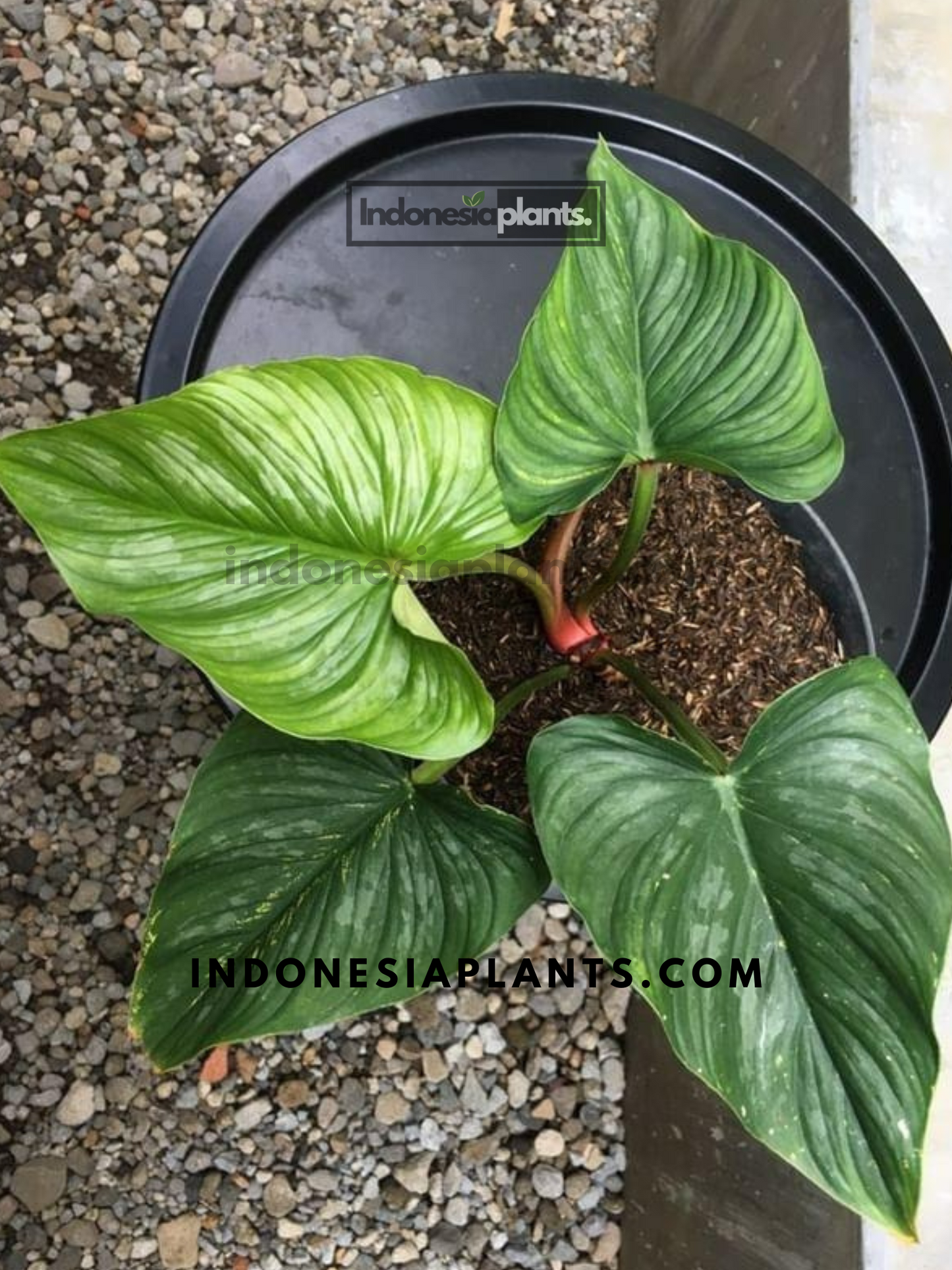
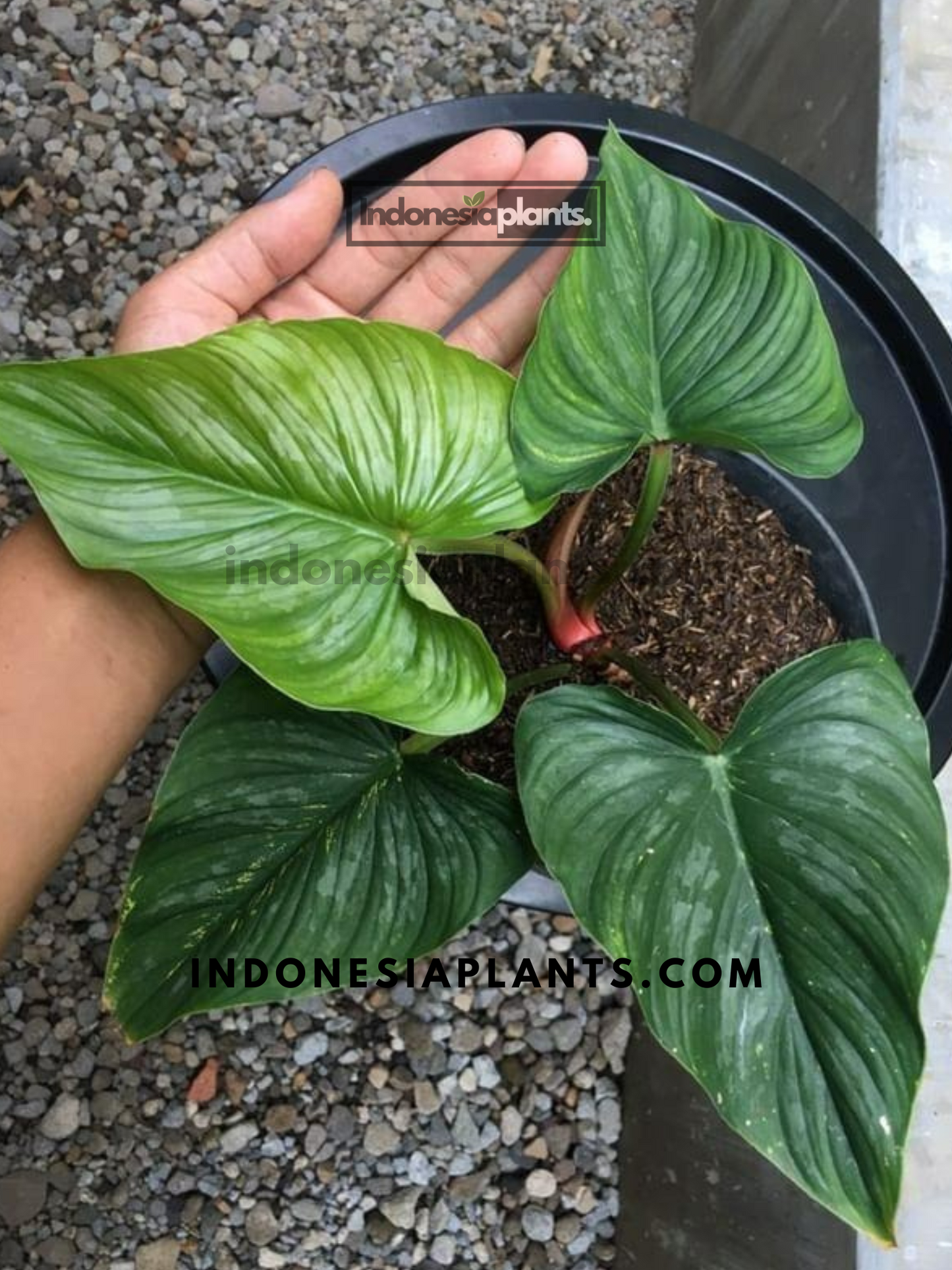
Philodendron Mamei is a captivating variety that commands attention with its striking, large, silver-speckled leaves. Known for its exotic appeal, this Philodendron variety brings a touch of the tropics into your home. Whether you're an experienced houseplant collector or a newcomer, this beauty will quickly become a prized possession in your indoor garden. Its unique appearance and ease of care make it a must-have for plant enthusiasts.
Why Philodendron Mamei is a Tropical Masterpiece
- Silver-Speckled Foliage: The dramatic silver spots on the dark green leaves create an eye-catching, textured effect.
- Compact Growth Habit: Despite its bold appearance, Philodendron Mamei has a manageable size, making it perfect for various spaces.
Context — A forest-floor crawler with museum presence
Philodendron mamei is a terrestrial crawler that brings the calm drama of the understory indoors. Instead of racing upward like many aroids, it moves horizontally, producing a procession of heart-shaped leaves that can get impressively broad with steady light and good culture. What sets it apart is the soft silver mottling—misty patches, dashes, and brushed strokes scattered across a deep to mid-green field. The effect reads painterly yet restrained, a perfect accent for minimalist or natural-textured rooms where foliage needs to feel composed, not loud.
Visual Analysis — Shape, surface, and pattern
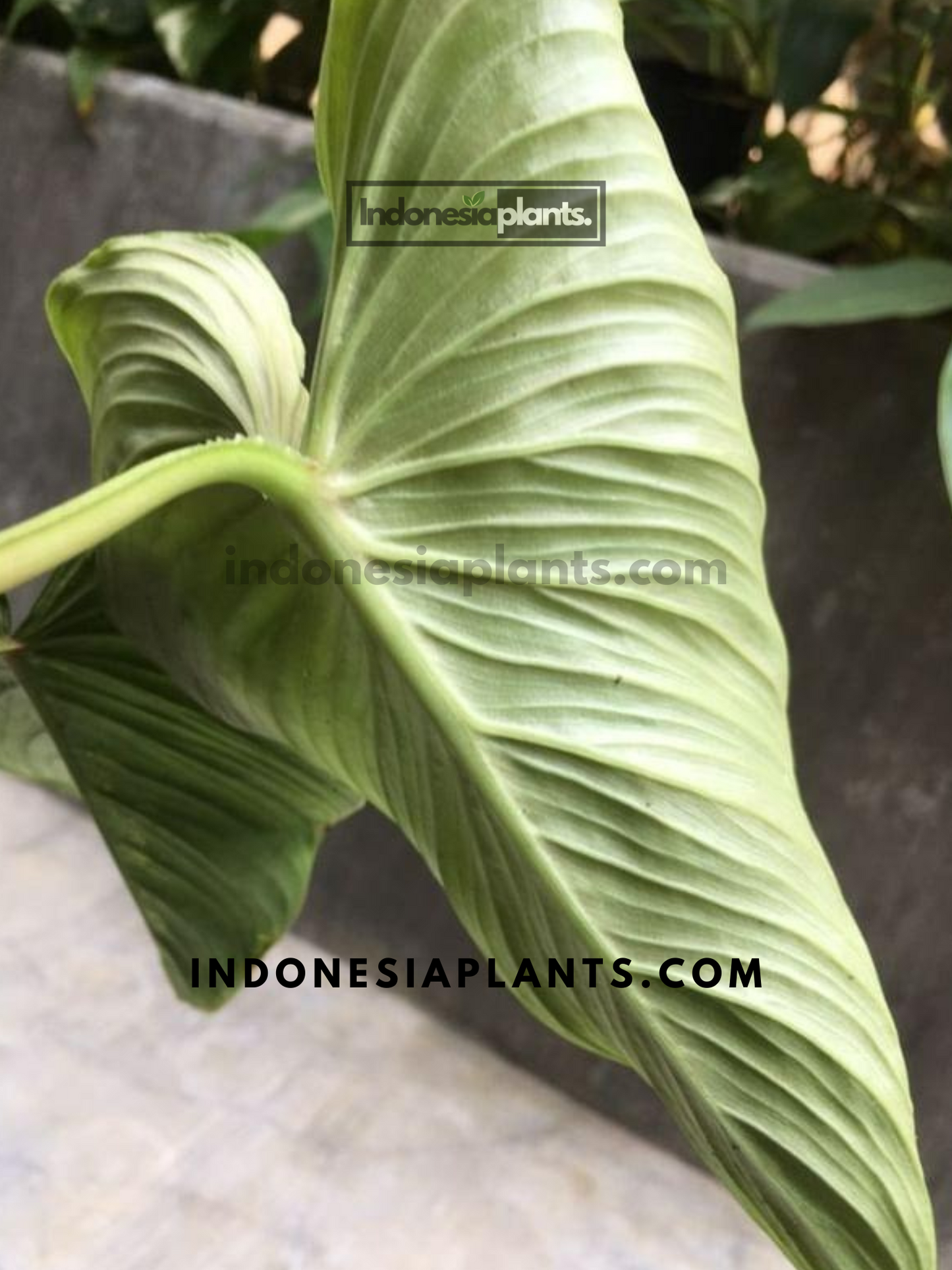
Leaves are cordate (heart-shaped) with a clean midrib and gentle, shallow lobes at the base. The lamina has a satin to low-gloss finish that keeps glare down and photographs gracefully in side light. Silver appears as clouded flecks and streaks, often concentrated along the primary veins, breaking up the greens without looking blocky. Younger leaves open fresher and brighter; as they cure, the silver settles and the base green deepens. Petioles present a tidy arc, so a row of leaves forms an elegant, slightly undulating plane when the plant is coached along a board or rim of a planter.
Conservation/Care — Keep the look museum-ready
- Light: Bright, diffused daylight all day—east-window glow, bright north, or a luminous spot behind sheers. Even luminance keeps internodes modest and the silver crisp. Deep shade softens the pattern and stretches spacing; harsh noon sun may warm edges on tender new leaves.
- Water: When the top 2–3 cm (≈1 in) of mix dries, water thoroughly and allow complete drainage. Aim for consistency, not constant wet—steady moisture preserves clean margins and smooth unfurls.
- Substrate: Build an oxygen-forward aroid blend: ~40% chunky orchid bark for structure, 25% coco fiber/coir for even moisture, 20% pumice or perlite for airflow, 10% horticultural charcoal, plus a light sphagnum buffer. Crawlers adore air around the roots.
- Growth habit & support: Naturally a creeper; you can let it ramble across a wide pot or guide it onto a flat board to encourage larger, flatter leaves with a gallery-clean plane. It can also be turned upward on a low pole if you prefer height, but the horizontal presentation showcases the leaf shape beautifully.
- Climate & feed: 18–29 °C (65–85 °F), ~50–70% RH, gentle airflow. Light nutrition ¼–½ strength in active months supports pattern clarity; optimize light before increasing feed.
- Grooming: Dust one or two leaves weekly with a soft cloth; remove spent sheaths to keep the crown crisp. Rotate a quarter-turn every two weeks for balanced development.
Display — Compose like a gallery
- Planter language: Low, wide vessels or trough planters emphasize the crawl; choose matte finishes—sand, ecru, oatmeal, or charcoal—to frame the silver calmly.
- Backdrops & materials: Limewash, pale timber, microcement, or honed stone invite soft, dimensional shadows from the broad hearts.
- Vignette ideas: Let the plant traverse a flat cedar board that spans a console; pair with a silver-washed Scindapsus (echo) or a velvety Anthurium (contrast). Keep accessories low-gloss so pattern and form lead.
Condition Notes — Signals → Adjustments
- Long gaps / smaller blades: Raise even brightness and keep the leading stem close to its guide surface.
- Pattern looks muted: Improve overall luminance (still filtered) before adding fertilizer.
- Edge crisping: Usually late watering or dry drafts—tighten your cadence, soften airflow.
- Mix stays wet for days: Increase bark/pumice fraction or step down one pot size to restore aeration.
- Leaf cupping post-water: Ensure full drainage; empty saucers and confirm the pot isn’t oversized.
Grounded, sculptural, and quietly luminous, Philodendron mamei transforms horizontal space into a living exhibit—easy to maintain, endlessly photogenic, and perfectly at home in modern interiors.
Kindly reach out to us at indonesiaplants@gmail.com if you have difficulties in your purchase or have any questions.