

INDONESIAPLANTS
Philodendron Quercyfolium
Philodendron Quercyfolium
Couldn't load pickup availability
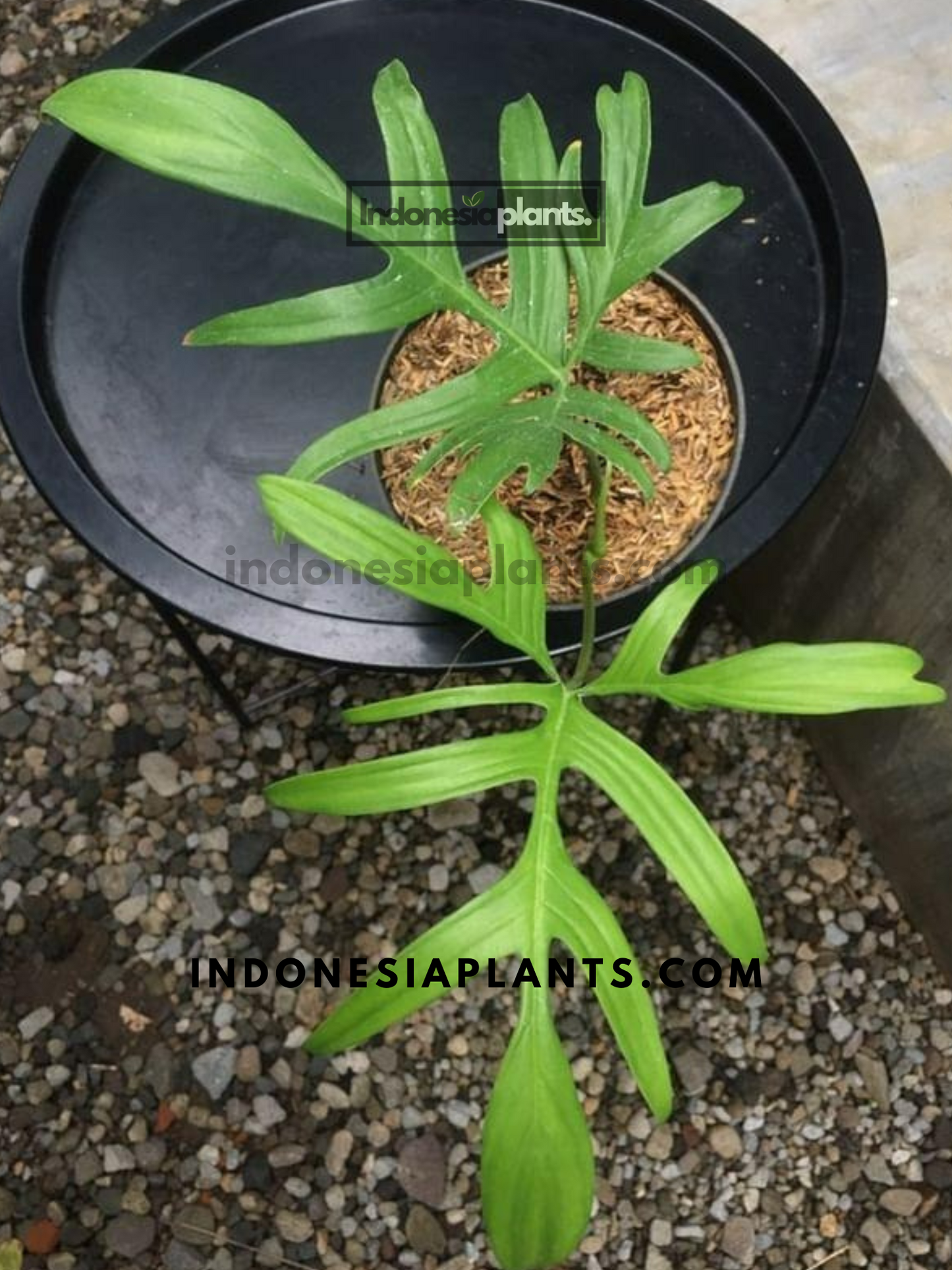
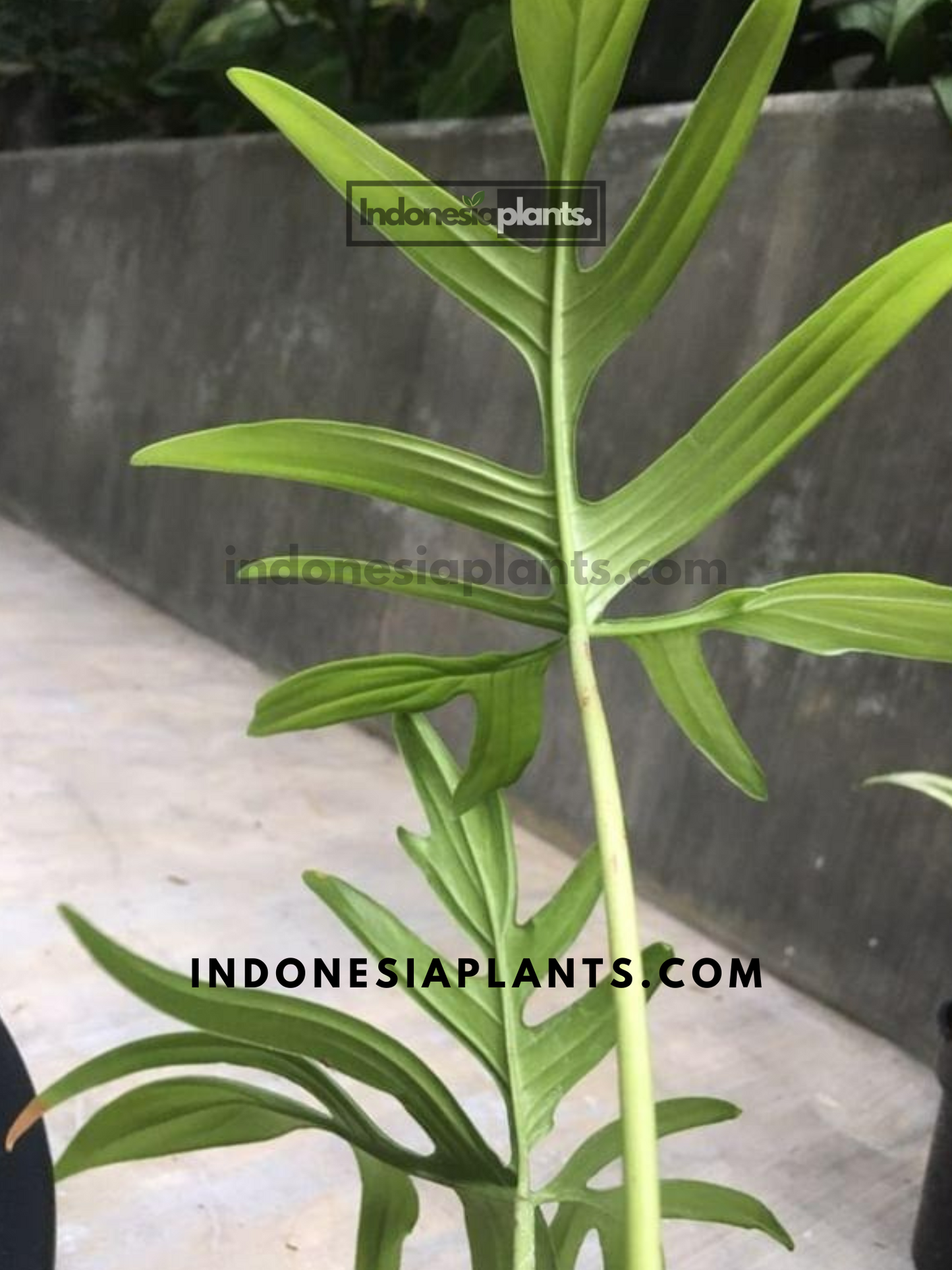
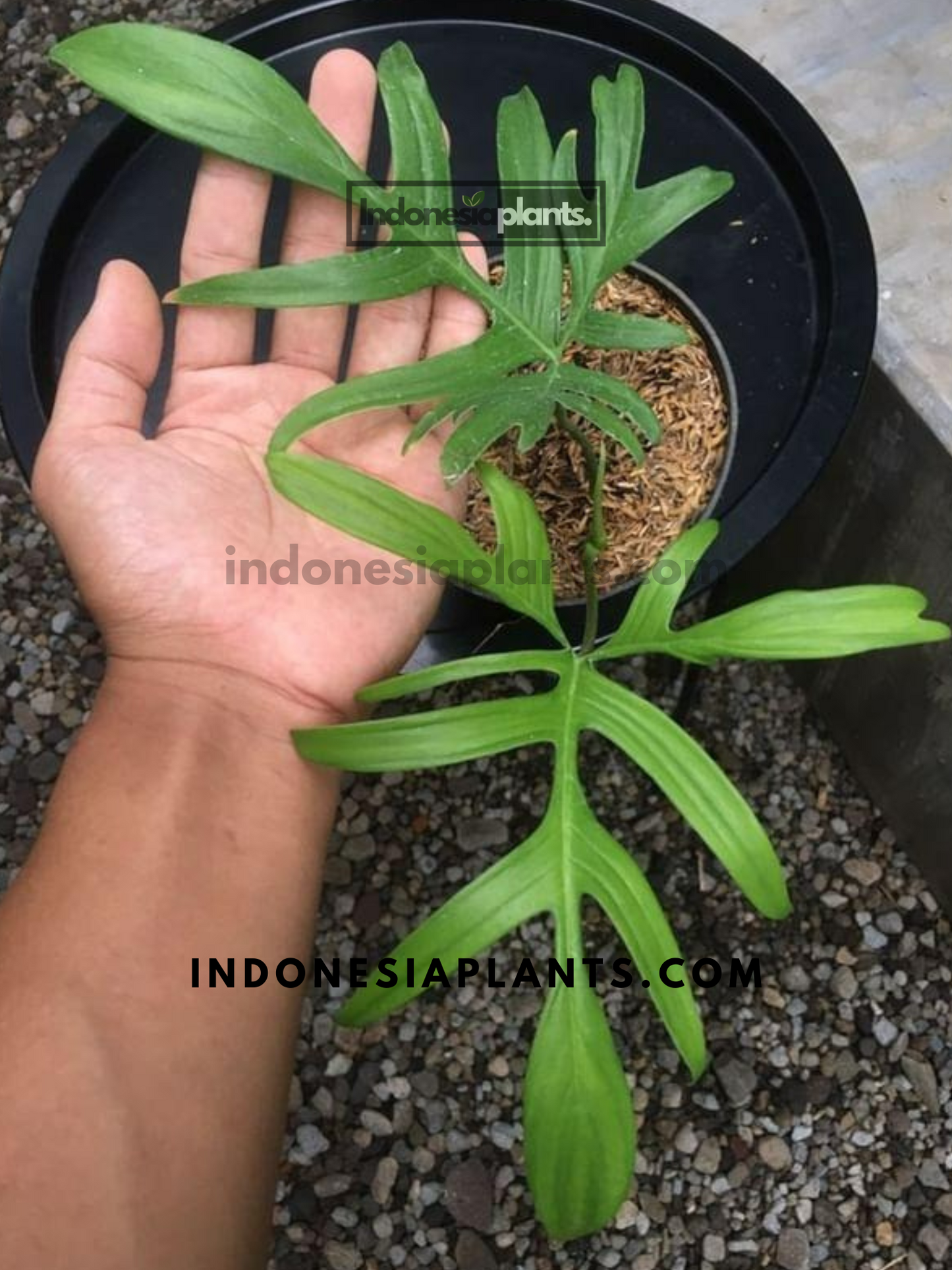
See photos for reference of the plant features only. Sent to you more likely as featured with descriptions below:
Minimum of 3 leaves
Rooted not cuttings
Philodendron Quercyfolium: A Distinct Leaf Shape with Stunning Detail
Philodendron Quercyfolium features unique, heart-shaped leaves with deep ridges and an elongated, elegant appearance. It’s a perfect option for those seeking a distinct tropical plant that adds texture and dimension to their collection. With its vibrant green leaves, this Philodendron variety brings bold structure and beauty to any room, making it a must-have for collectors and plant enthusiasts.
Why the Philodendron Quercyfolium is a Showstopper:
- Unique Leaf Structure: Its distinctive heart-shaped leaves, featuring deep veins and subtle ridges, make this variety stand out.
- Low-Maintenance: This variety is relatively easy to care for, making it a great choice for both beginners and seasoned plant owners.
Identity — Oak-inspired lobes with a designer’s line
Philodendron quercyfolium is a true climber celebrated for its oak-like, multi-lobed blades that read graphic and airy without feeling busy. Juvenile foliage starts slimmer; with guidance and steady light, lobes elongate and the central blade tapers elegantly, giving a tall, architectural profile. Surfaces finish satin to low-gloss, so side-light paints a clean highlight along the midrib while keeping reflections calm for photographs and display.
How It Differs — Clear choices at a glance
- Versus P. bipennifolium (Violin): Quercyfolium shows more and narrower lobes with a longer central section, reading finer and more “oak leaf,” whereas bipennifolium is broader with bolder shoulders.
- Versus P. panduriforme (Fiddle): Panduriforme tends toward a simple fiddle shape; quercyfolium develops distinct segmented lobing and a slimmer line overall.
- Versus P. mayoi: Mayoi lobes splay like long “fingers.” Quercyfolium keeps a tighter midrib axis and more leaf-like lobing, giving a composed silhouette ideal for narrow verticals.
Setup — Light, support, and vessel
Position where bright, diffused daylight is consistent—an east window, a bright north exposure, or any luminous pocket behind sheers. Even luminance maintains compact internodes and crisp lobe definition; deep shade softens the outline and stretches spacing. Provide a slim moss pole, coco totem, or flat board and secure every node so the stem hugs its guide—this scales leaves and sharpens the oak-leaf expression. Choose a drainage-first planter sized just over the root mass to keep the root zone responsive.
Care Matrix — Simple and repeatable
- Water rhythm: When the top 2–3 cm (≈1 in) of mix dries, water thoroughly and allow full drainage. Aim for consistency, not constant wet—steady moisture preserves clean margins on the narrow tips and supports smooth unfurls. Empty saucers.
- Substrate: Build an oxygen-forward aroid blend: ~40% chunky orchid bark (structure), 25% coco fiber/coir (even moisture), 20% pumice or perlite (airflow), 10% horticultural charcoal, plus a light sphagnum buffer. This keeps roots aerated while holding a gentle film of moisture.
- Climate: 18–29 °C (65–85 °F) with ~50–65% RH and soft airflow away from heater/AC streams.
- Nutrition: Light feeding at ¼–½ strength in active months supports confident sizing and color clarity—optimize light before increasing fertilizer.
- Grooming: Dust one or two leaves weekly; remove spent sheaths to keep the crown clean. Rotate a quarter-turn every week so new leaves face your best light pocket.
Styling — Compose an elegant vertical
- Planter palette: Matte stoneware in sand, ecru, oatmeal, or charcoal frames the deep to mid-green calmly.
- Backdrop & materials: Limewash, pale timber, microcement, or honed stone invite soft, directional shadows from the long lobes—editorial without glare.
- Compositions: Run one leader straight for a tailored column, or offset a secondary shoot for depth on consoles and window flanks. Pair with a velvety Anthurium (plush contrast) or a silver-washed Scindapsus (cool foil). A deeper green Monstera behind it sets a light–dark dialogue that lets the oak-leaf outline lead.
Quick Remedies — Signals → Adjustments
- Long gaps / simplified lobes: Raise even brightness (still filtered) and keep each node snug to the pole or board.
- Edge crisping on narrow tips: Usually late watering or dry drafts—tighten cadence and soften airflow.
- Flat, dull color: Improve overall luminance before adding feed; light quality restores depth faster than nutrients.
- Mix stays wet for days: Increase bark/pumice fraction or step down one pot size to restore oxygen.
- Leaning column: Refresh soft ties; add a discreet stake until aerial roots anchor into the support.
Sleek, sculptural, and wonderfully disciplined, Philodendron quercyfolium turns bright, filtered light into a refined oak-leaf statement—easy routine, compact footprint, and a silhouette that photographs beautifully as it climbs.