

INDONESIAPLANTS
Philodendron Squamiferum
Philodendron Squamiferum
Couldn't load pickup availability
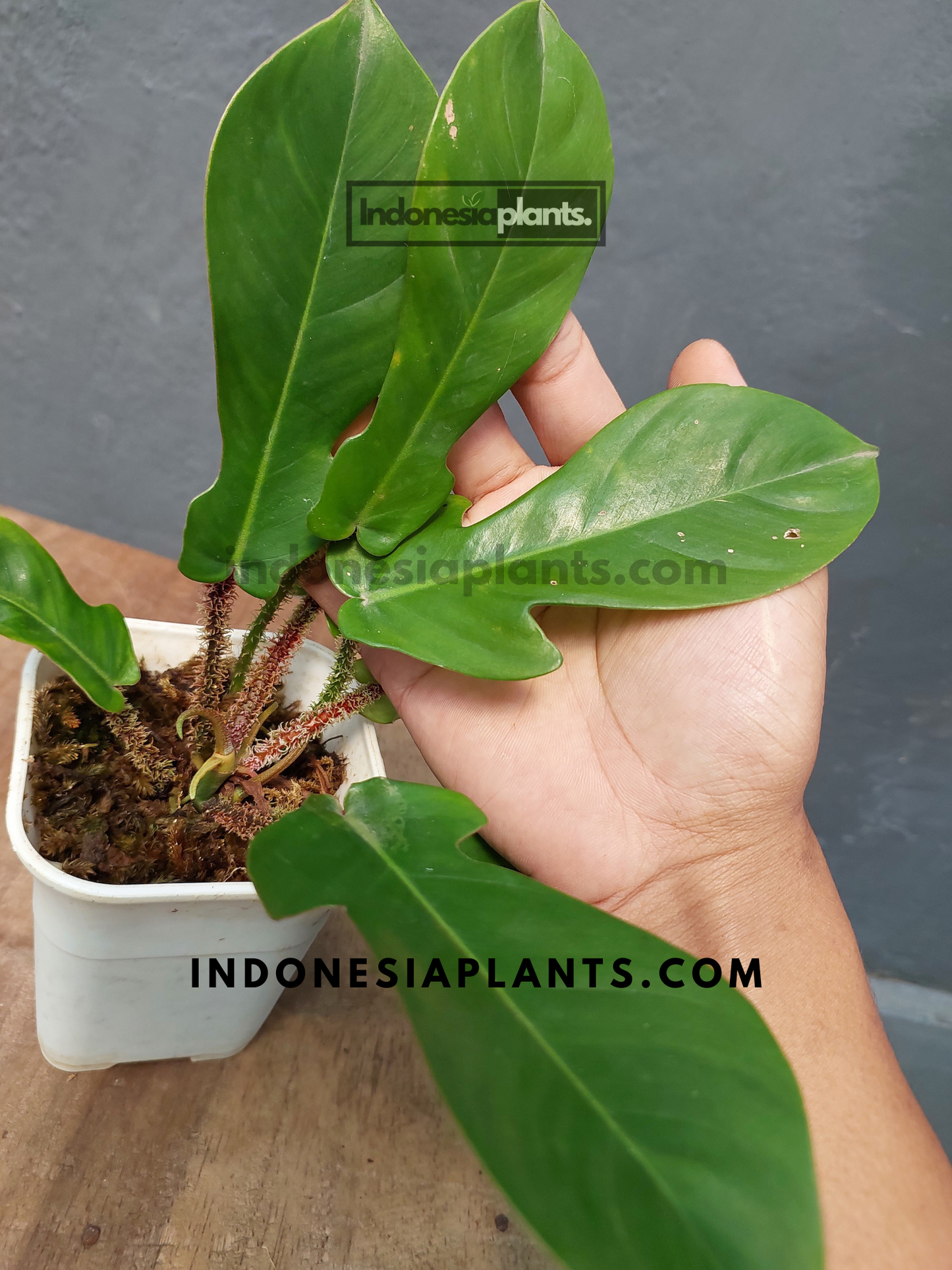
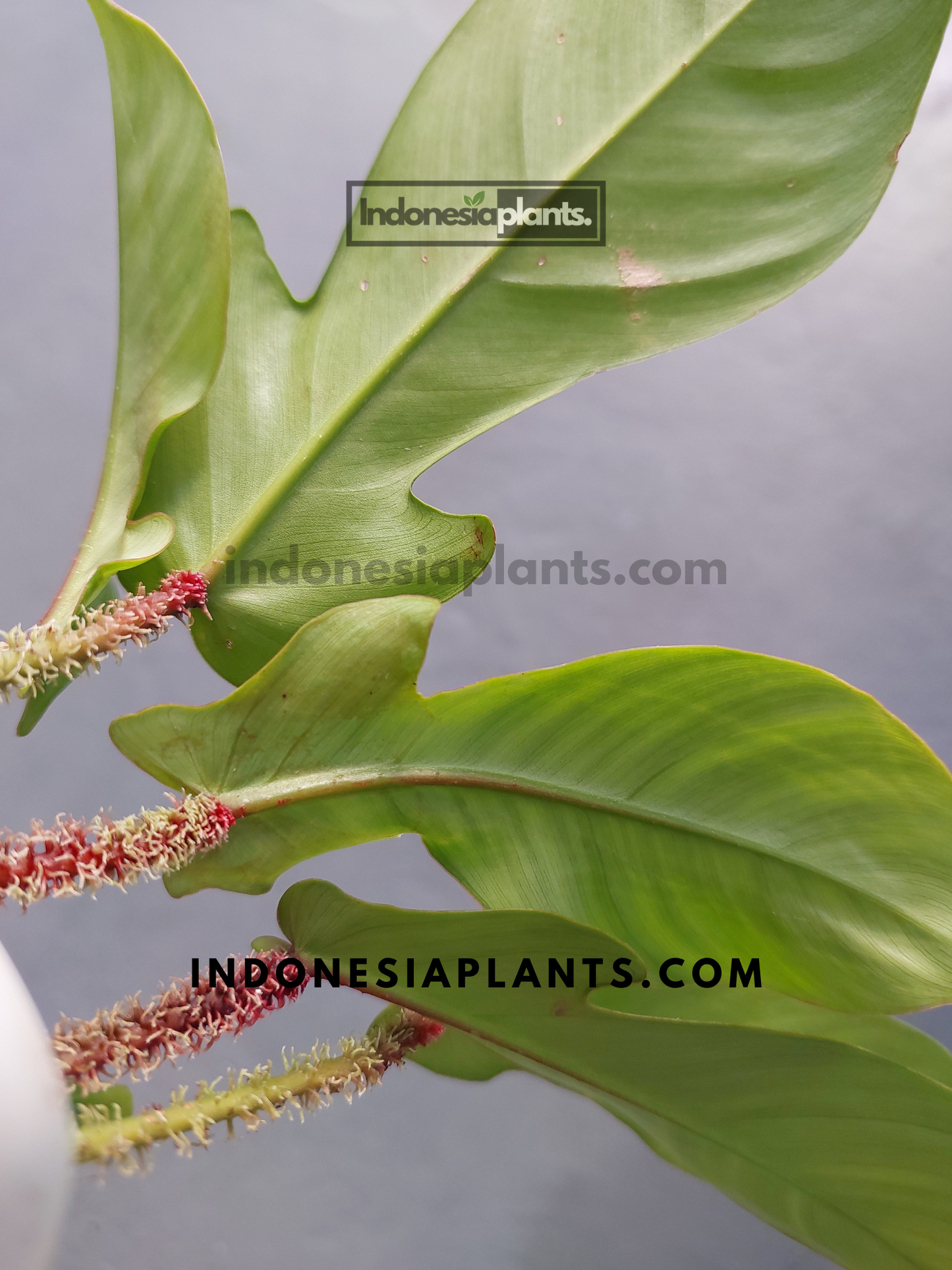
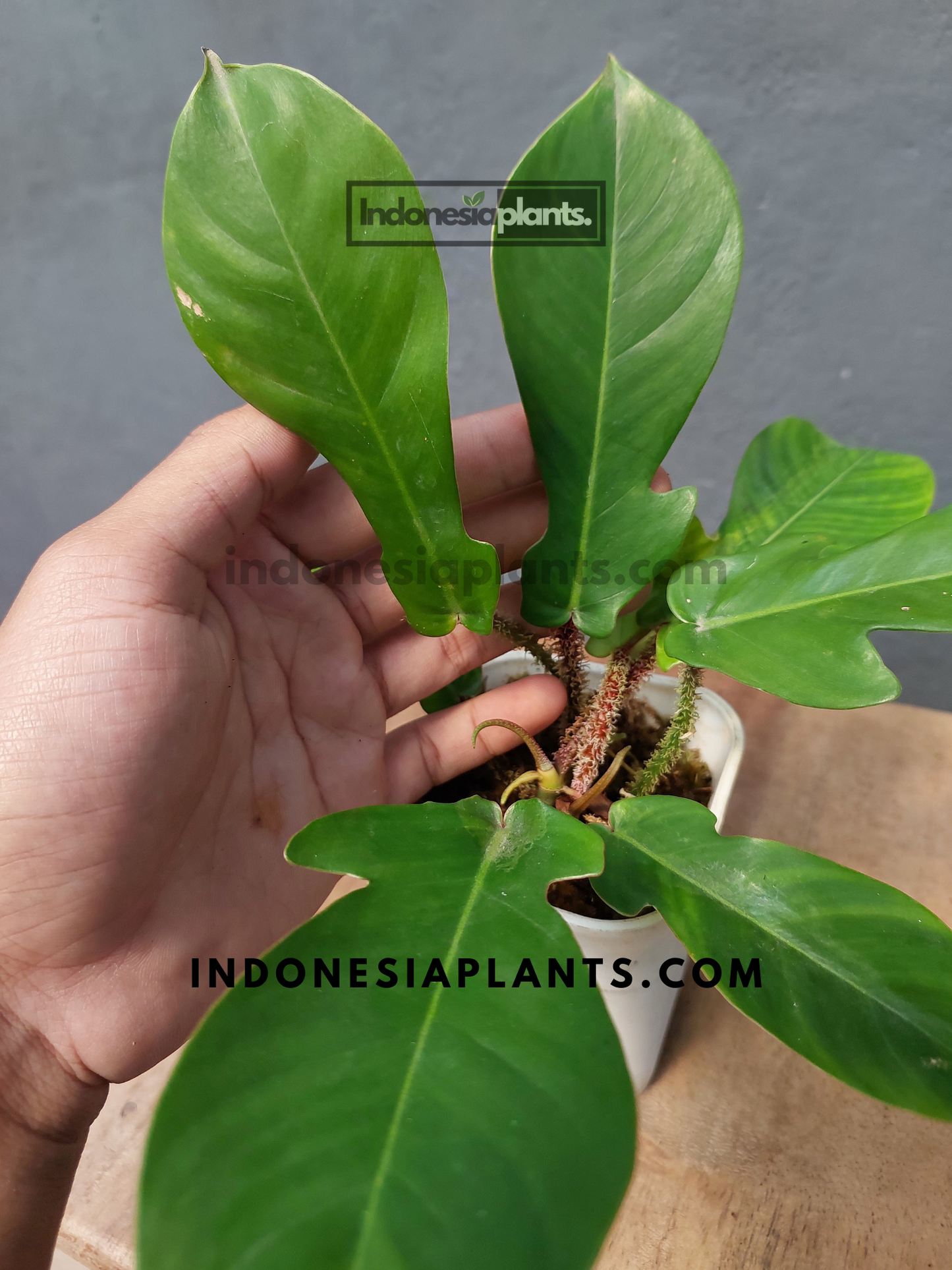
See photos for reference of the plant features only. Sent to you more likely as featured with descriptions below:
Minimum of 4 leaves
Rooted not cuttings
Philodendron Squamiferum: The Hardy and Fuzzy-Leaved Beauty
Philodendron Squamiferum is a rare and resilient variety known for its distinct fuzzy texture and vibrant green leaves. This easy-to-care-for tropical Philodendron is perfect for those seeking a durable, low-maintenance addition to their indoor garden. Its unique appearance, with long vines and soft, velvety hairs on the leaves, makes it a must-have for collectors.
Why Choose Philodendron Squamiferum for Your Collection:
- Distinct Fuzzy Texture: Unlike other Philodendron varieties, this one stands out for its soft, fuzz-covered leaves, giving it a unique appearance.
- Resilient and Hardy: Known for its tolerance to varying conditions, the Squamiferum is ideal for beginners and seasoned plant enthusiasts alike.
- Compact Growth: Although it can grow long vines, its compact nature allows it to fit into tight spaces, making it an excellent choice for urban apartments.
The fuzzy-petiole climber with sculptural lobes
Philodendron squamiferum is instantly recognizable by its rusty, bristled petioles (the “squamae”) and a five-lobed leaf that feels both botanical and architectural. Leaves open a brighter mid-green, then cure to deeper tones with a soft satin sheen. Because it’s a true climber, the silhouette sharpens as soon as you guide the stem—tight internodes, broader blades, and a clean vertical line that photographs beautifully.
Range — Where it shines indoors
Think luminous verticals: window flanks, bookcase ends, console corners, studio backdrops. This species loves bright, diffused daylight across many hours—east-window glow, bright north exposures, or a sheered south setting. Even luminance keeps the lobes crisp and spacing compact. Dim corners blur the outline and stretch the vine; unfiltered noon sun can stress the tender edges.
Anatomy — Details collectors notice
- Petioles: Densely hairy/bristled (red-to-rust), adding tactile contrast against the smooth lamina.
- Leaf form: Five pronounced lobes—long central lobe with balanced lateral pairs; satin to low-gloss finish that loves side-light.
- Growth habit: Hemiepiphytic climber responding quickly to support; nodes throw adventitious roots that grip a pole or board.
- Color story: Fresh foliage skews lighter; mature leaves deepen while the petiole fuzz remains warm and graphic.
Habitat Care — The stable routine
- Light: Long hours of filtered brightness. If lobes look simplified or gaps lengthen, increase total luminance.
- Water: When the top 2–3 cm (≈1 in) of media dries, water thoroughly and drain completely. Aim for steady moisture, never stagnant.
- Substrate: An oxygen-forward aroid blend—chunky orchid bark (structure), coco/coir (even moisture), pumice or perlite (porosity), a pinch of horticultural charcoal, and a light sphagnum buffer. Choose a drainage-first vessel sized just over the root mass.
- Climate: 18–29 °C (65–85 °F) with ~50–65% RH and gentle airflow; avoid heater/AC blasts.
- Feeding: Light nutrition at ¼–½ strength during active months; brightness improves vigor and color more than heavy fertilizer.
Handling — Training and day-to-day touch
Provide a slim moss pole, coco totem, or flat board and secure every node with soft ties. This simple habit scales leaves and keeps the column poised. Wipe the lamina with a dry, soft cloth; use a gentle brush to dust the petiole fuzz. Rotate the pot a quarter-turn weekly so the newest leaf faces your best light pocket.
Styling — Compose an editorial vertical
- Planter palette: Matte oatmeal, ecru, sand, or charcoal frames both the deep greens and the warm petiole tones.
- Materials & backdrop: Limewash, pale timber, microcement, or honed stone encourage dimensional shadows from the lobes and a subtle highlight down the midrib.
- Pairings: A silver-washed Scindapsus cools the scene; a velvety Anthurium adds plush texture; a glossy Monstera behind it builds a light–dark dialogue that pushes the fuzzy petioles forward.
Troubleshooting — Signals → adjustments
- Long internodes / simplified lobes: Raise even brightness and keep nodes snug to the support.
- Edge bronzing: Often late watering or harsh midday sun—tighten cadence and diffuse rays.
- Leaf curl inward: Root zone trending too dry—give a deep soak, then return to your normal rhythm.
- Media slow to dry: Increase bark/aggregate or step down one pot size to restore oxygen.
- Leaning column: Refresh soft ties; a discreet stake helps until aerial roots anchor.
Sculptural leaves, charismatic fuzzy petioles, and a cooperative climb—Philodendron squamiferum delivers a designer look with a calm, repeatable routine for modern interiors.
Kindly reach out to us at indonesiaplants@gmail.com if you have difficulties in your purchase or have any questions.