

INDONESIAPLANTS
Philodendron Subhastatum Variegated
Philodendron Subhastatum Variegated
Couldn't load pickup availability
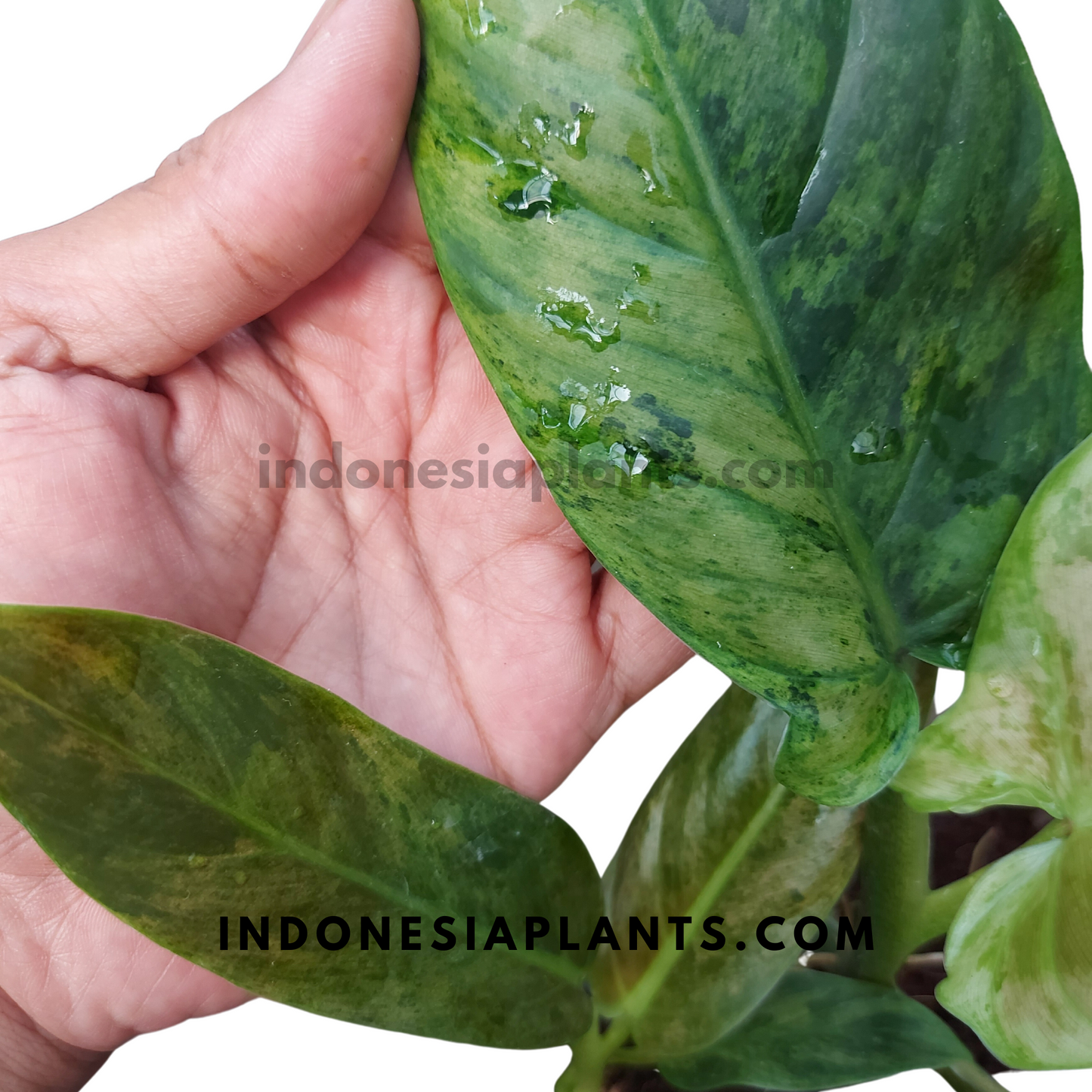
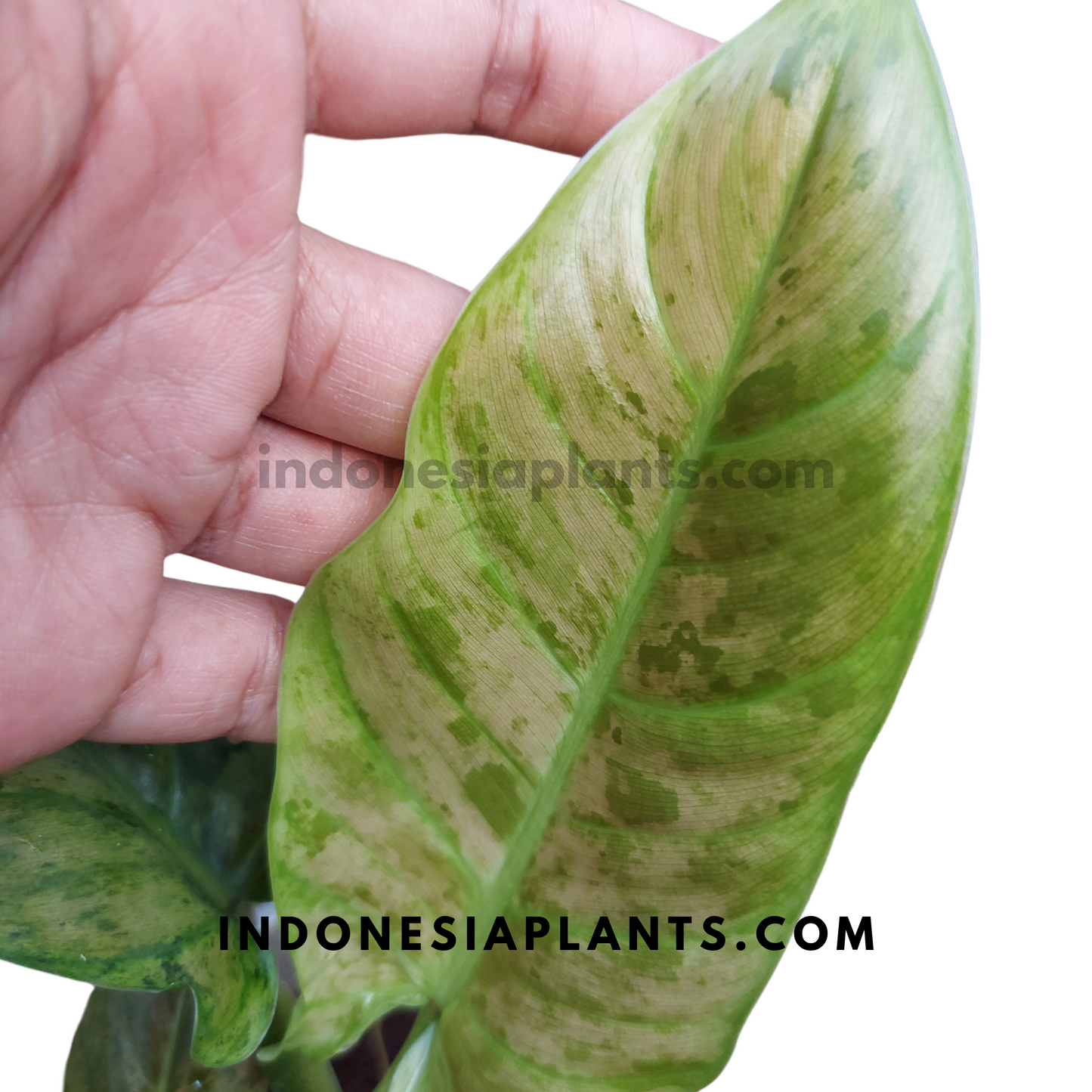
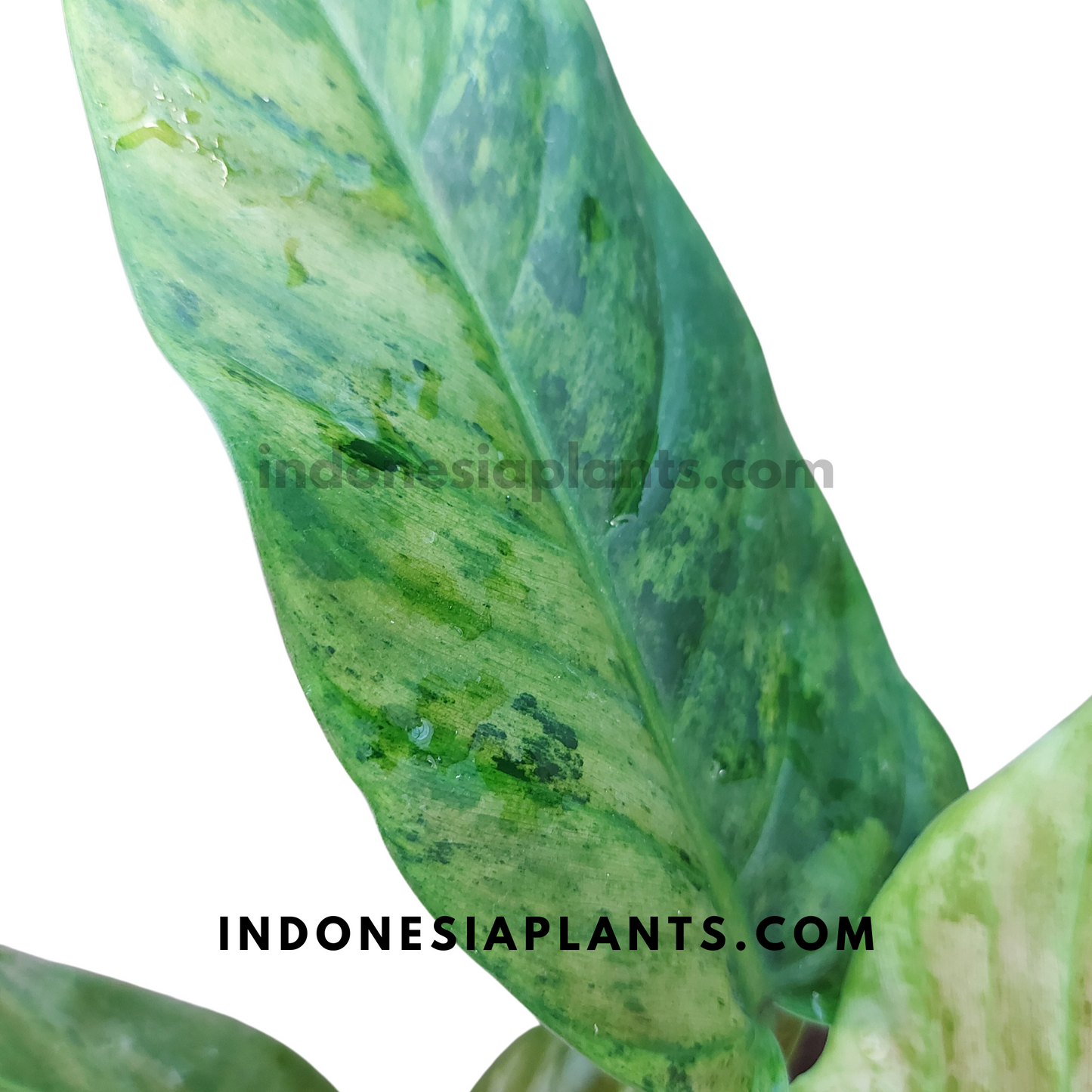
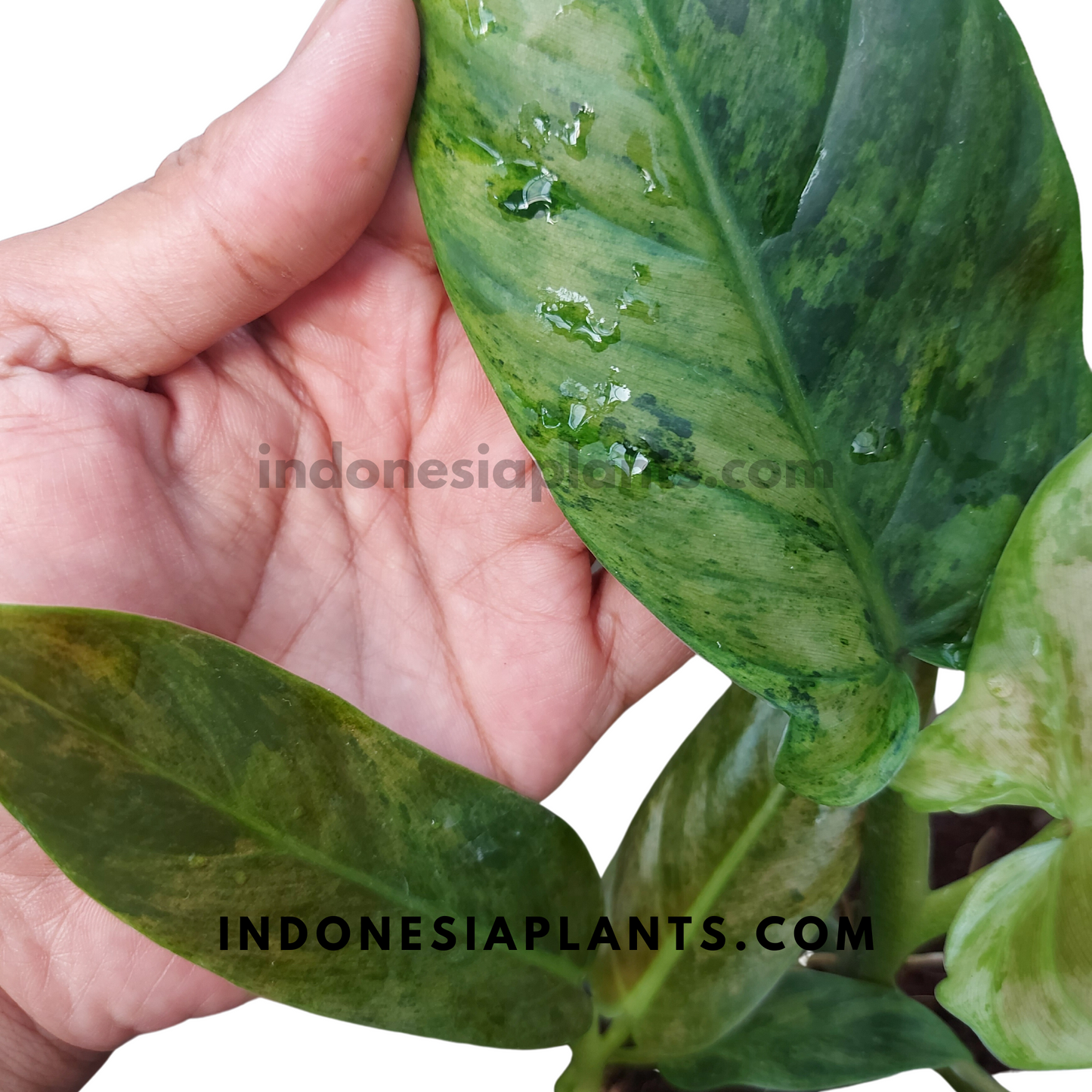
See photos for reference of the plant features only. Sent to you more likely as featured with descriptions below:
Minimum of 4 leaves
Rooted not cuttings
Philodendron Subhastatum Variegated: A Rare, Marbled Masterpiece
Philodendron Subhastatum Variegated is a rare and highly sought-after variety that stands out with its striking, marbled green, white, and yellow foliage. Known for its unique leaf shape and exceptional variegation, this plant is a true gem for advanced collectors looking to add a rare, eye-catching Philodendron to their collection.
Why Philodendron Subhastatum Variegated is a Coveted Collectible:
- Uncommon Variegation: The distinctive marbling of green, white, and yellow gives this plant an artistic look, making it a coveted choice for plant enthusiasts.
- Hard-to-Find Beauty: As one of the rarer varieties, it’s perfect for collectors seeking to own a unique and special plant that stands out in any collection.
Two-tone drama with painterly cream
Philodendron subhastatum (variegated form) is a climber known for its bicolor personality: a refined green upper surface contrasted by a warm red to burgundy underside—and, in this selection, creamy variegation that shows up as marbling, streaks, and foggy panels. Juvenile leaves tend to display stronger underside color; as blades mature and broaden, the top surface holds the cream-on-green pattern while the reverse keeps that subtle wine glow. The result is a leaf that looks striking from every angle—on a pole, in a niche, or beside a window.
Tools — What sets success up from day one
- Light: Long hours of bright, filtered daylight (east light, bright north, or behind sheers).
- Support: Slim moss pole, coco totem, or flat board—secure every node to tighten spacing and scale leaves.
- Vessel: Drainage-first planter sized just over the root mass for a responsive root zone.
- Substrate: Oxygen-forward aroid mix: chunky orchid bark (structure), coco/coir (even moisture), pumice or perlite (porosity), a touch of charcoal, plus a light sphagnum buffer.
Assembly — Potting and staging for a clean silhouette
Seat the support in the pot first, then position the plant so the lead faces your best light pocket. Backfill with the airy mix, tapping gently to remove voids without compacting. Soft-tie the stem at each node so internodes stay compact and the variegation reads more graphically across broader, flatter leaves. Leave a little negative space around the planter so the lobes cast soft shadows—great for photos of the green/cream tops and red-toned undersides.
Calibration — Dial in the environment
Target 18–29 °C (65–85 °F) with ~50–65% RH and calm airflow away from heater/AC blasts. If the room is unevenly lit, add a small side LED at a comfortable distance to balance luminance—this keeps creamy sectors crisp and the bicolor effect vivid without hotspots on pale tissue.
Operation — The simple rhythm
- Watering: When the top 2–3 cm (≈1 in) of mix dries, soak and drain completely. Think steady, not soggy—consistency preserves clean margins on cream areas and prevents creases in unfurling leaves.
- Feeding: Light nutrition ¼–½ strength in active months. Improve light before increasing fertilizer—brightness enhances color clarity more than extra feed.
- Rotation: Quarter-turn weekly so the newest leaf orients to your brightest safe exposure and the underside glow remains even down the column.
Maintenance — Small habits, big payoff
Dust a couple of leaves weekly with a dry, soft cloth (topside) and use a gentle brush for the underside so you don’t scuff tender tissue. Refresh soft ties as nodes advance up the support. Trim an occasional older lower leaf once the crown fills out to keep the silhouette poised and the red undersides visible higher on the plant.
Troubleshooting — Signals → adjustments
- Variegation dull / mostly green: Extend total hours of filtered brightness and keep nodes snug to the pole or board.
- Brown on creamy panels: Typically late watering or direct midday sun—tighten cadence and diffuse rays.
- Long gaps / smaller leaves: Raise even luminance and confirm each node is in contact with the support to trigger broader blades.
- Edges curling inward: Root zone trending too dry—give a thorough soak, then resume the steady rhythm.
- Mix stays wet for days: Increase bark/aggregate or step down a pot size to restore oxygen exchange.
- Underside red fading quickly: Improve overall brightness (still filtered); color contrast strengthens with consistent light rather than extra fertilizer.
A disciplined climber with cream-on-green tops and wine-toned undersides, Philodendron subhastatum Variegated turns everyday light into a refined, two-tone statement—easy routine, architectural lines, and camera-ready foliage from every viewpoint.
Kindly reach out to us at indonesiaplants@gmail.com if you have difficulties in your purchase or have any questions.