

INDONESIAPLANTS
Philodendron Tortum
Philodendron Tortum
Couldn't load pickup availability
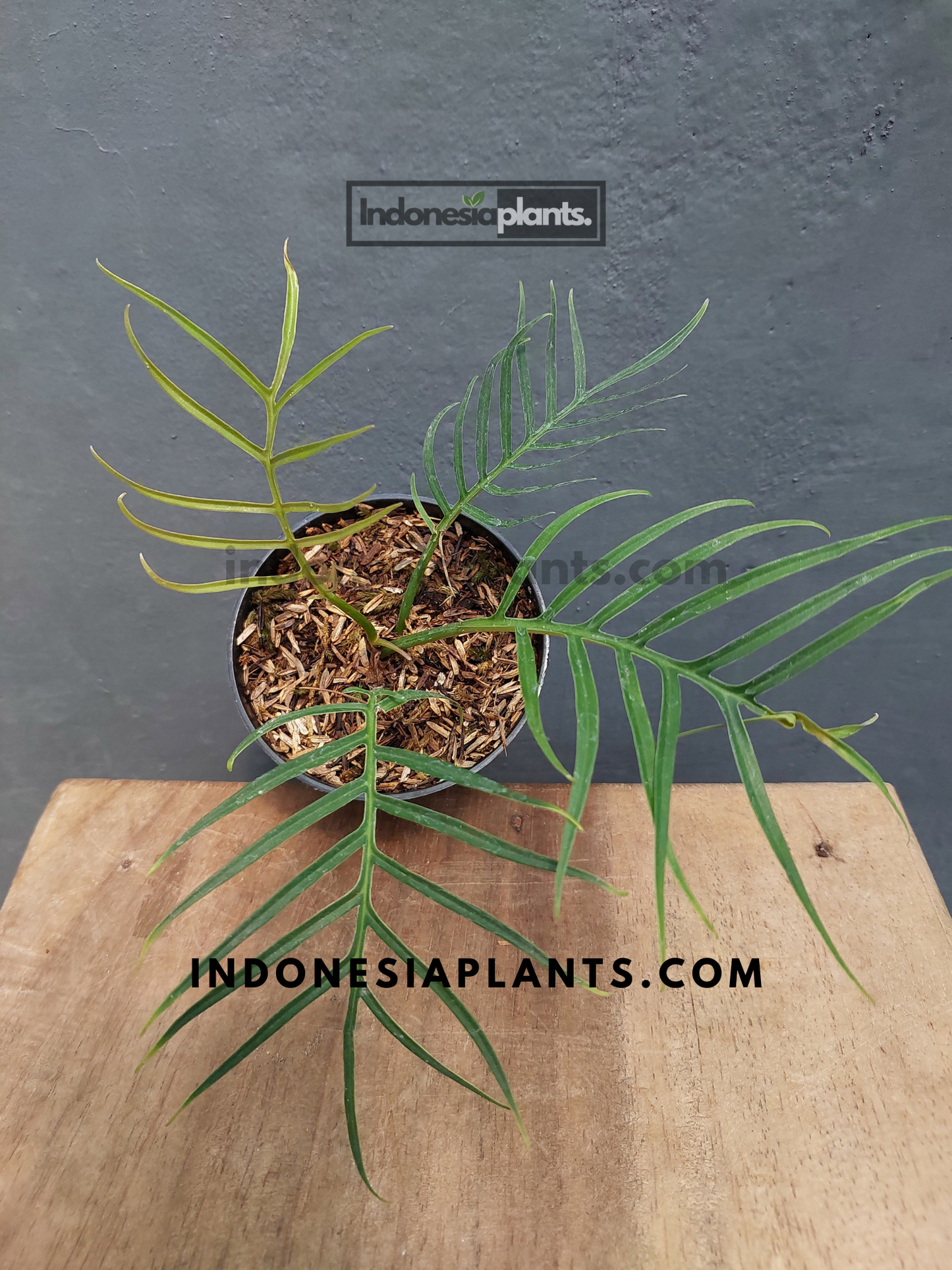
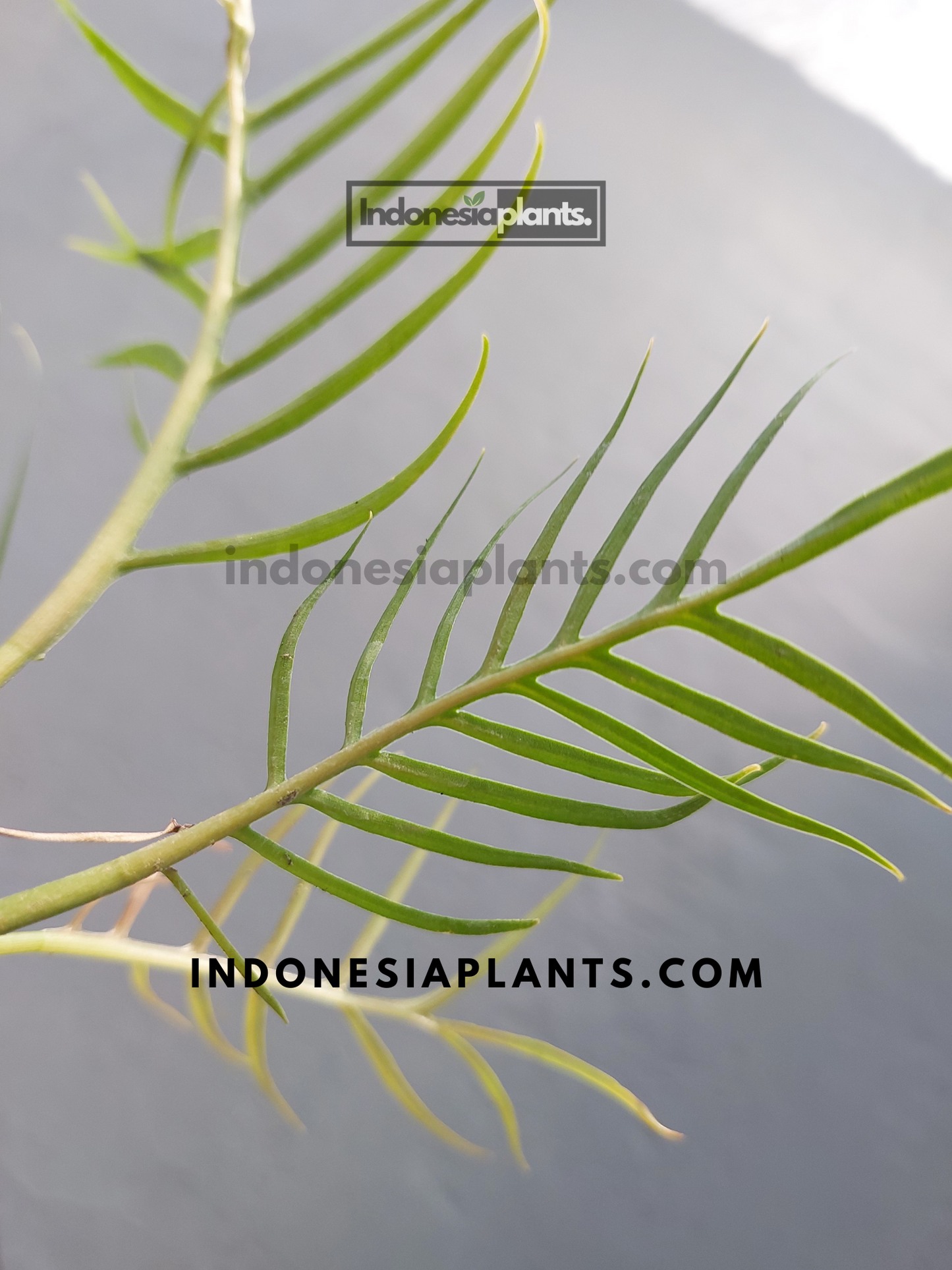
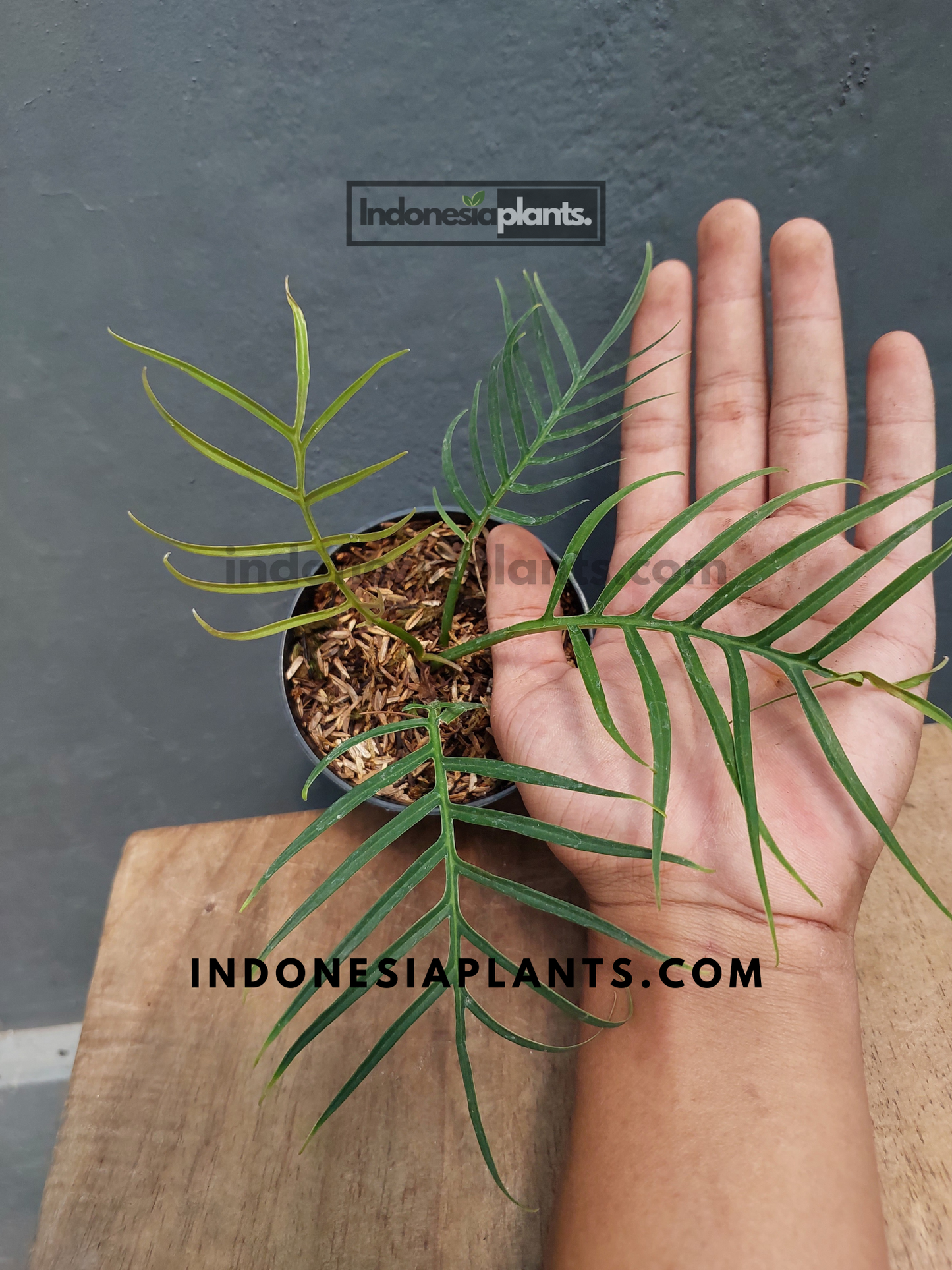
See photos for reference of the plant features only. Sent to you more likely as featured with descriptions below:
Minimum of 3 leaves
Rooted not cuttings
Philodendron Tortum: A Masterpiece of Tropical Foliage
Unveiling the Curled Leaves of Philodendron Tortum
Philodendron Tortum is a true masterpiece for plant enthusiasts looking for something extraordinary. With its unique, long, curly leaves, this variety of Philodendron showcases an exotic appearance that is hard to replicate. The twisting foliage creates an enchanting visual, making it one of the most eye-catching plants in any collection. Its beauty lies in the intricate leaf patterns, which can add an artistic touch to your indoor garden. The leaves themselves are thin and flexible, with a rich green color that beautifully contrasts with the plant’s delicate texture.
Why Philodendron Tortum is a Must-Have for Plant Collectors
- Rare and Unique Appearance: Known for its spiraling leaves, the Philodendron Tortum stands out with a curled and twisted foliage structure that is unlike other plants.
- Compact Growth Habit: Despite its distinctive appearance, this plant has a manageable growth habit, making it perfect for homes of all sizes, whether you live in an apartment or have more space.
- Low-Maintenance Plant Care: Tortum thrives in indirect light and requires only regular watering to maintain its health, making it suitable for both seasoned collectors and beginners alike.
The sculptural “skeleton-leaf” philodendron
Philodendron tortum is a collector’s indoor plant known for its dramatic, lace-like foliage. Rather than broad hearts, the blades are finely divided into many narrow, finger-like lobes, creating a filigree silhouette that looks engineered rather than grown. A self-heading, trunk-forming philodendron, it builds a poised crown from a stout base, so it occupies vertical space with elegance while keeping a modest footprint. Satin surfaces resist glare, making this live plant exceptionally photogenic in modern interiors.
Geometry — Thin ribs, deep cuts, airy mass
Leaves curl gently as they mature, with lobes arching like sprung steel. The deeply pinnatifid geometry moves air and light through the canopy, so the plant reads light and architectural, never heavy. Petioles are firm and slightly arched, presenting blades forward so the negative space becomes part of the design. As the plant ages, the base thickens into a short trunk, giving the crown lift and stability without needing a large pot.
Environment — Right light, right rhythm
Place in bright, diffused daylight: an east window, a bright north exposure, or a luminous zone behind sheers. Extended hours of filtered brightness keep internodes compact and the lobes crisp; dim corners blur definition. Aim for 18–29 °C (65–85 °F) with ~45–65% RH and gentle airflow—enough movement to dry leaf surfaces after watering but not so much that tips desiccate.
Mechanics — Potting, mix, and hydration
Choose a drainage-first vessel sized just over the current root mass. Build an oxygen-forward aroid medium: chunky orchid bark (structure), coco fiber/coir (even moisture), pumice or perlite (porosity), and a pinch of horticultural charcoal with a light sphagnum buffer. Water when the top 2–3 cm (≈1 in) of mix is dry; then soak thoroughly and allow full drainage. Think steady, never stagnant—consistent moisture preserves smooth unfurls and clean edges on the narrow lobes. Empty saucers promptly. This species stands well on its own; a discreet stake can help a young crown while the base thickens.
Upkeep — Small habits, big payoffs
Dust two leaves weekly with a dry, soft cloth to keep the satin finish bright. Rotate the pot a quarter-turn each week so new leaves cure symmetrically. Feed lightly at ¼–½ strength during active months—optimize light before increasing fertilizer, as brightness drives vigor more than extra nutrients. Remove older, yellowing lower leaves as the trunk forms to maintain a lean, tailored silhouette.
Styling — Minimalist statement with texture
- Planter palette: Matte sand, oatmeal, ecru, fog, or charcoal keeps attention on the linear leafwork.
- Backdrop: Limewash, pale timber, microcement, or honed stone invite dimensional shadows through the open blades.
- Compositions: Flank with a velvety Anthurium for soft contrast or a silver-washed Scindapsus for a cool companion; staging a deeper-green Monstera behind it creates a light–dark dialogue that makes the skeletal pattern pop.
- Placement ideas: Console ends, reading nooks, window flanks, or studio corners where vertical emphasis matters but floor space is limited.
Failure Modes — Signals → adjustments
- Lanky posture / long gaps: Increase total hours of filtered brightness; confirm the plant isn’t oversize-potted.
- Brown tips on narrow lobes: Often late watering or dry drafts—tighten your cadence and soften airflow.
- Leaf edges curling inward: Root zone trending too dry; provide a deep soak and return to your steady loop.
- Mix stays wet for days: Add bark/aggregate or step down a pot size to restore oxygen exchange.
- Sun scorch on lobes: Diffuse midday rays—pale marks appear faster on thin tissue.
Architectural, light on its feet, and easy to live with, Philodendron tortum turns consistent, filtered light into a modern statement—perfect for design-forward homes and studios seeking a standout tropical houseplant with genuine texture.
Kindly reach out to us at indonesiaplants@gmail.com if you have difficulties in your purchase or have any questions.