

INDONESIAPLANTS
Rhaphidophora Angustata
Rhaphidophora Angustata
Couldn't load pickup availability
What You Will Receive:
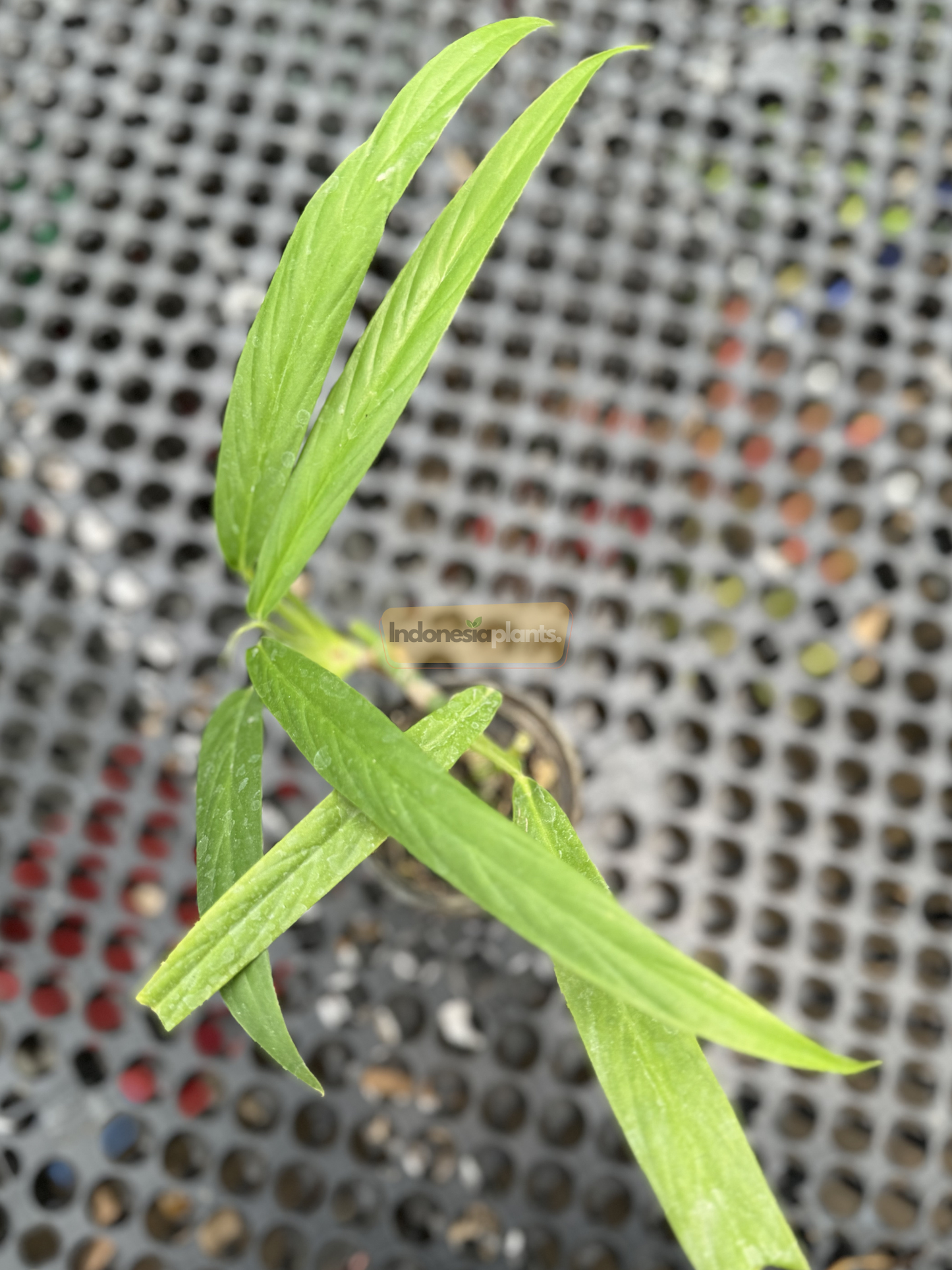
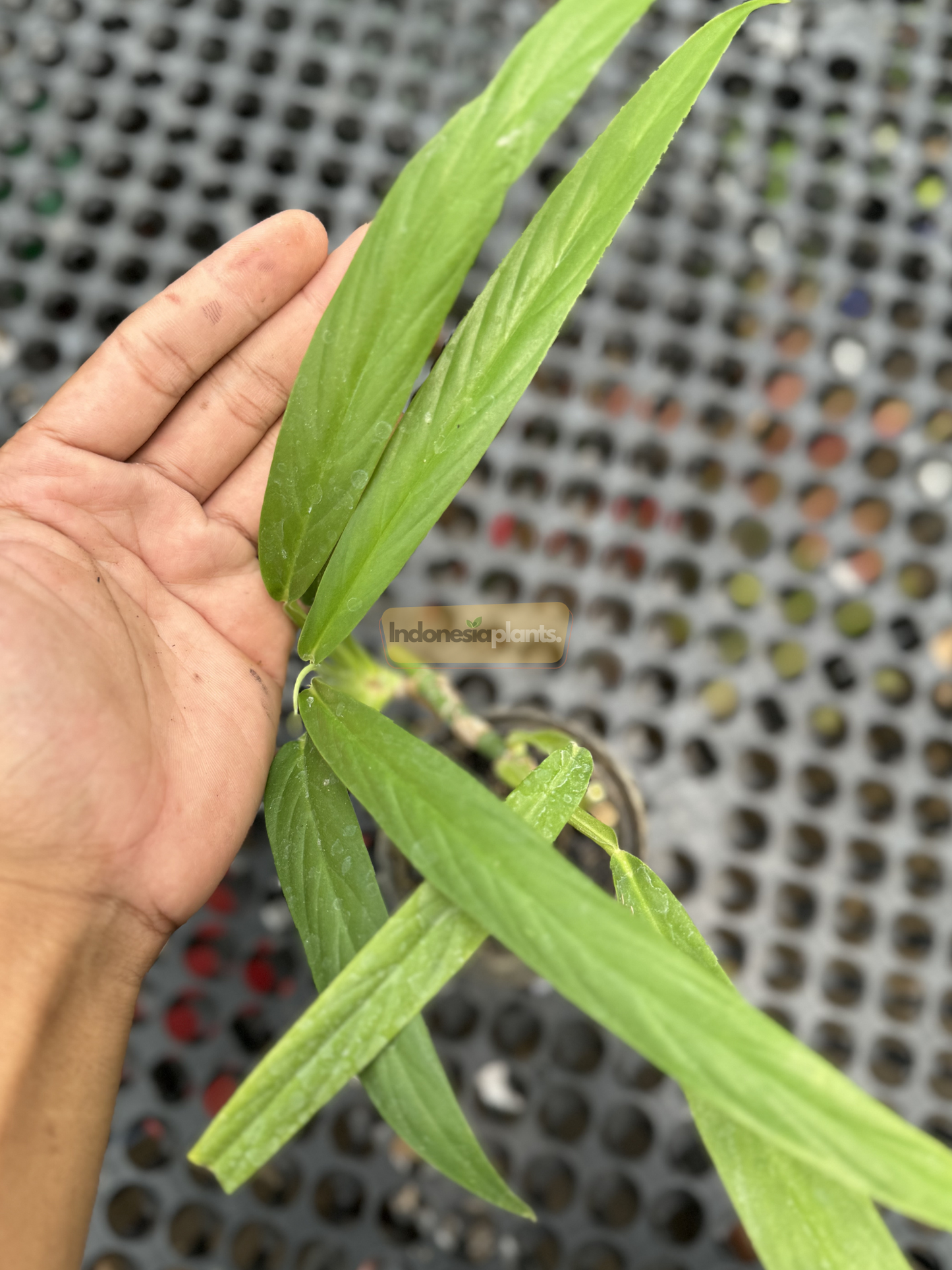
- A healthy, well-rooted Rhaphidophora Angustata with a minimum of 4 leaves.
- Plant size may vary depending on stock; please refer to product photos for details.
- Carefully packaged to ensure the plant arrives in perfect condition.
Unveil the Subtle Elegance of Rhaphidophora Angustata
Rhaphidophora Angustata is a sophisticated tropical houseplant prized for its slender, elongated leaves and graceful climbing habit. Native to Southeast Asia, this unique species brings a minimal yet dynamic presence to any indoor garden or botanical collection. Whether you're a seasoned collector or exploring unique foliage forms, this plant stands out with its understated charm and clean silhouette
Sleek, modern, and easy to live with
Rhaphidophora angustata is a design-forward climbing aroid known for its slender, lance-shaped leaves and tidy vertical habit. Instead of big, sprawling blades, this species keeps a lean, architectural profile that slips into shelves, window flanks, and studio corners without clutter. Leaves open a fresher green, then cure to a richer tone with a subtle satin sheen that photographs beautifully in side-light. If you love clean lines and smart growth with minimal fuss, this is a go-to plant.
Placement — Where it feels instantly at home
Stage it in bright, diffused daylight—an east window, bright north exposure, or any luminous pocket softened by sheers. Long, even luminance keeps internodes compact and the leaf stack orderly; very dim corners stretch the vine and soften definition. Leave a little negative space around the planter so those slim blades cast crisp, graphic shadows on nearby surfaces.
Form & Foliage — The details collectors notice
- Leaf look: Narrow, lanceolate blades with a clean midrib and fine secondary veining; satin-to-low-gloss surface for low glare.
- Habit: A cooperative climber that responds quickly to guidance—neat column when trained, or gentle cascade if allowed to trail.
- Color story: Juvenile leaves show a lighter green; mature foliage deepens while staying refined, never heavy.
- Photogenic angles: Side-light sets a soft highlight along the midrib, sharpening the plant’s linear geometry.
Potting & Medium — Oxygen-forward from day one
Choose a drainage-first vessel sized just over the current root mass. Build an airy aroid blend that dries predictably: chunky orchid bark (structure), coco/coir (even moisture), pumice or perlite (porosity), and a pinch of horticultural charcoal with a light sphagnum buffer. This scaffold supports smooth unfurls, protects edges, and prevents compaction over time. Empty saucers promptly after water days.
Water & Light — A calm, repeatable rhythm
Water when the top 2–3 cm (≈1 in) of mix is dry; then soak thoroughly and drain completely. Aim for steady, not stagnant moisture—consistency keeps new leaves flat and tidy. Maintain long hours of filtered brightness to preserve tight spacing and crisp outlines. Deep shade = longer gaps; harsh noon sun can mark tender tissue, especially on fresh growth.
Growth Coaching — Train for the silhouette you want
Insert a slim moss pole, coco totem, or flat board and secure each node as the vine advances. Contact with support encourages broader, slightly longer blades and a poised column. Prefer a softer look? Let a secondary shoot trail and tip-prune lightly to branch without inflating the footprint. Rotate a quarter-turn weekly so the newest leaf faces your best light.
Styling — Compose with texture and restraint
- Planter palette: Matte oatmeal, ecru, fog, or charcoal keeps focus on the linear foliage.
- Backdrop & materials: Limewash, pale timber, microcement, or honed stone amplify dimensional shadow play.
- Companions: Pair with a silver-washed Scindapsus for cool contrast, or a velvety Anthurium to add plush depth behind the sleek leaves.
Quick Answers — Signals → adjustments
- Lanky spacing: Increase total hours of filtered light and keep nodes snug to the support.
- Edges curling inward: Root zone trending too dry—give a deep soak, then return to your steady cadence.
- Mix slow to dry: Add bark/aggregate or step down one pot size to restore oxygen exchange.
- Washed-out color: Raise overall luminance (still diffused); brightness sharpens tone and definition more than extra fertilizer.
Clean lines, cooperative growth, and a friendly routine—Rhaphidophora angustata is a contemporary indoor climber that brings quiet sophistication to real homes and studios.