

INDONESIAPLANTS
Rhaphidophora Elliptifolia Variegated
Rhaphidophora Elliptifolia Variegated
Couldn't load pickup availability
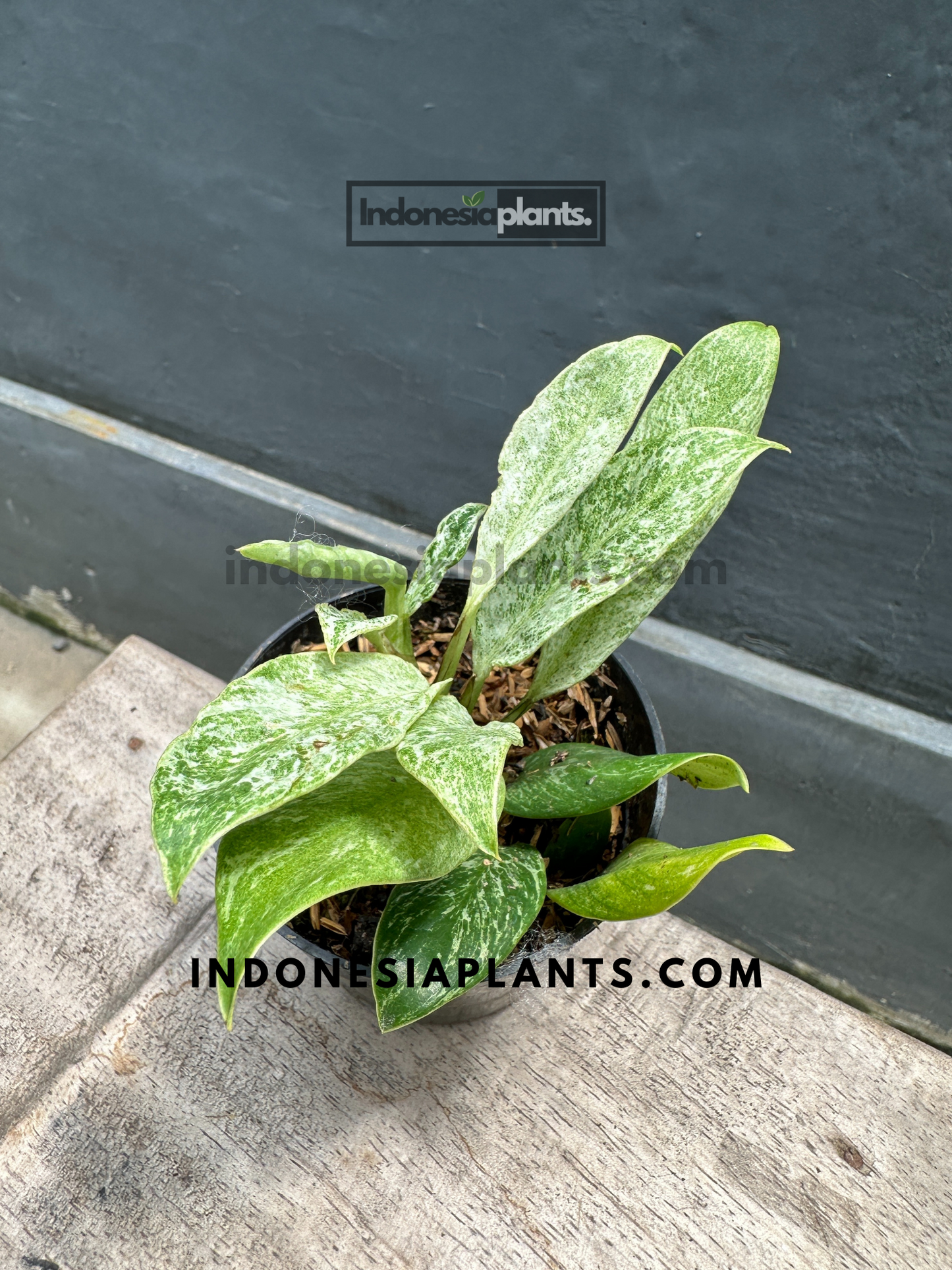
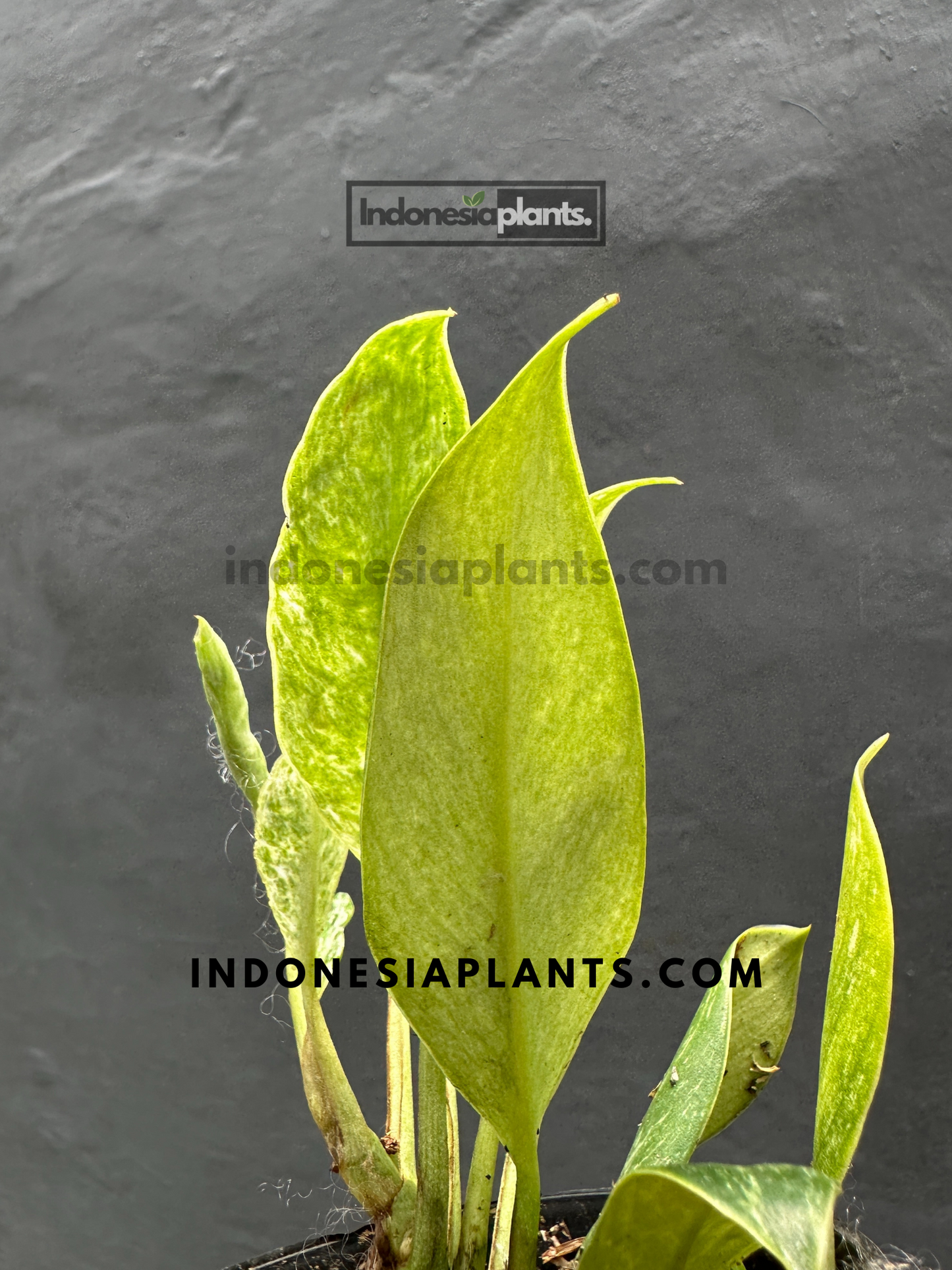
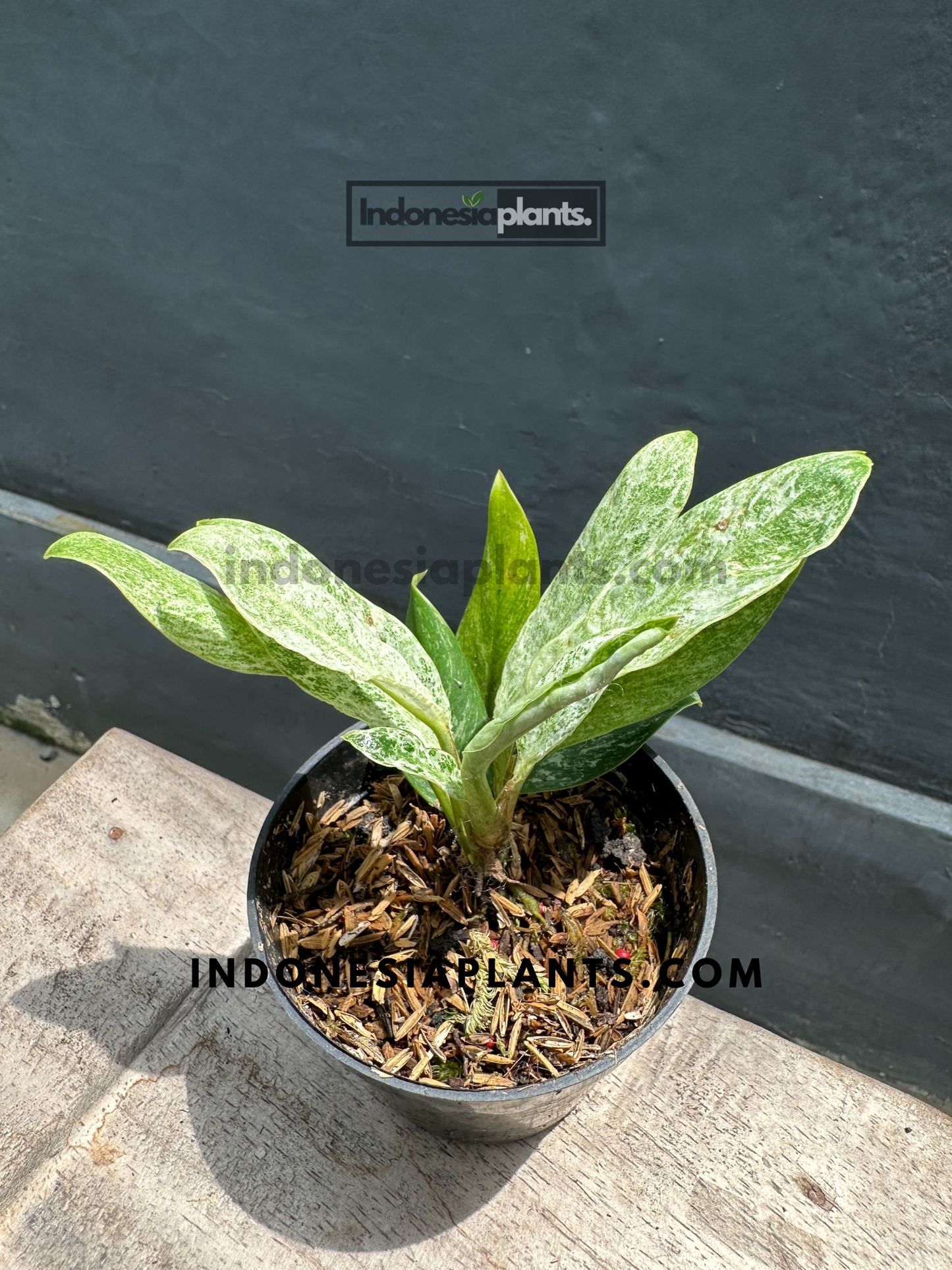
See photos for reference of the plant features only. Sent to you more likely as featured with descriptions below:
Minimum of 3 leaves
Rooted not cuttings
Rhaphidophora Elliptifolia Variegated: A Captivating Tropical Wonder
Rhaphidophora Elliptifolia Variegated is a unique and striking plant that has captured the hearts of plant collectors around the world. Known for its attractive and eye-catching variegated foliage, this aroid species stands out with its green and white leaf patterns, making it an excellent addition to any plant collection. Native to the tropics, it thrives in humid environments, requiring just moderate care to thrive. As a relatively easy-to-grow plant, the Rhaphidophora Elliptifolia Variegated is well-suited for both beginner and experienced gardeners.
Clean lines with painterly cream
Rhaphidophora elliptifolia (variegated form) brings a modern, graphic look to indoor jungles. Instead of wild lobing, it showcases sleek, elliptical blades brushed with creamy to soft-lime panels, marbling, and streaks against a deep green base. The surface reads satin to low gloss, so side-light produces a neat midrib highlight rather than glare. A cooperative climber, it’s easy to direct into a tidy, photo-ready column that suits consoles, window flanks, and studio corners.
Form & Pattern — The details collectors notice
Leaves are elliptic to narrowly oval, with a centered midrib and fine secondary veining that keeps the silhouette crisp. Variegation may present as broad sectors, washed clouds, pencil-thin tracery, or speckled scatter—no two leaves repeat exactly. Juvenile blades open brighter, then cure a tone deeper while holding contrast in the pale zones. Internodes remain compact in strong, filtered light, making the plant feel intentionally designed rather than sprawling.
Placement & Light — Keep contrast clear
Stage in bright, diffused daylight—an east window, a bright north exposure, or any luminous pocket softened by sheers. Long, even luminance sharpens color boundaries and keeps spacing tight; dim corners soften pattern and stretch nodes. Avoid harsh, unfiltered midday sun on pale tissue. Under LEDs, choose a broad, even wash at a comfortable distance so creamy panels stay clean and greens remain saturated. Rotate a quarter-turn weekly so new leaves face your best light pocket.
Substrate & Potting — Oxygen first, then moisture
Choose a drainage-first planter sized just over the root mass for predictable dry-down. Build an oxygen-forward aroid blend: chunky orchid bark (structure), coco/coir (even moisture), pumice or perlite (porosity), a pinch of horticultural charcoal, plus a light sphagnum buffer. This airy matrix protects pale sectors from edge stress, encourages smooth unfurls, and resists compaction over time. Empty saucers promptly after watering.
Water & Climate — A calm, repeatable cadence
Water when the top 2–3 cm (≈1 in) of mix feels dry; then soak thoroughly and drain completely. Aim for steady, never stagnant moisture—consistency keeps margins smooth on creamy areas and prevents creases in fresh leaves. Target 18–29 °C (65–85 °F) with ~45–65% RH and gentle airflow away from heater/AC streams. Feed lightly at ¼–½ strength during active months; improve brightness before increasing fertilizer—light drives color clarity more than extra nutrients.
Training & Display — Compose a tailored column
Insert a slim moss pole, coco totem, or flat board at potting and secure each node as the vine advances; contact with support broadens blades and clarifies pattern. Prefer a fuller presence? Allow a secondary shoot once the leader is established and tip-prune modestly to branch without inflating the footprint. For styling, use matte planters in oatmeal, ecru, fog, or charcoal and backdrops like limewash, pale timber, or microcement to enhance dimensional shadow play across the variegation.
Quick Diagnostics — Signals → adjustments
- Run of mostly green leaves: Extend total hours of filtered light and orient the newest unfurl toward the window.
- Brown on creamy panels: Typically late watering or direct sun—tighten cadence and diffuse midday rays.
- Long gaps / lax posture: Raise even luminance and keep nodes snug to the support.
- Edges curling inward: Root zone trending too dry—provide a deep soak, then return to your steady loop.
- Mix slow to dry: Increase bark/aggregate or step down one pot size to restore oxygen exchange.
Clean architecture, painterly variegation, and a friendly routine—Rhaphidophora elliptifolia Variegated turns consistent, filtered light into a crisp, modern statement for real homes and studios.
Kindly reach out to us at indonesiaplants@gmail.com if you have difficulties in your purchase or have any questions.