

INDONESIAPLANTS
Rhaphidophora Foraminifera Fenestrated
Rhaphidophora Foraminifera Fenestrated
Couldn't load pickup availability
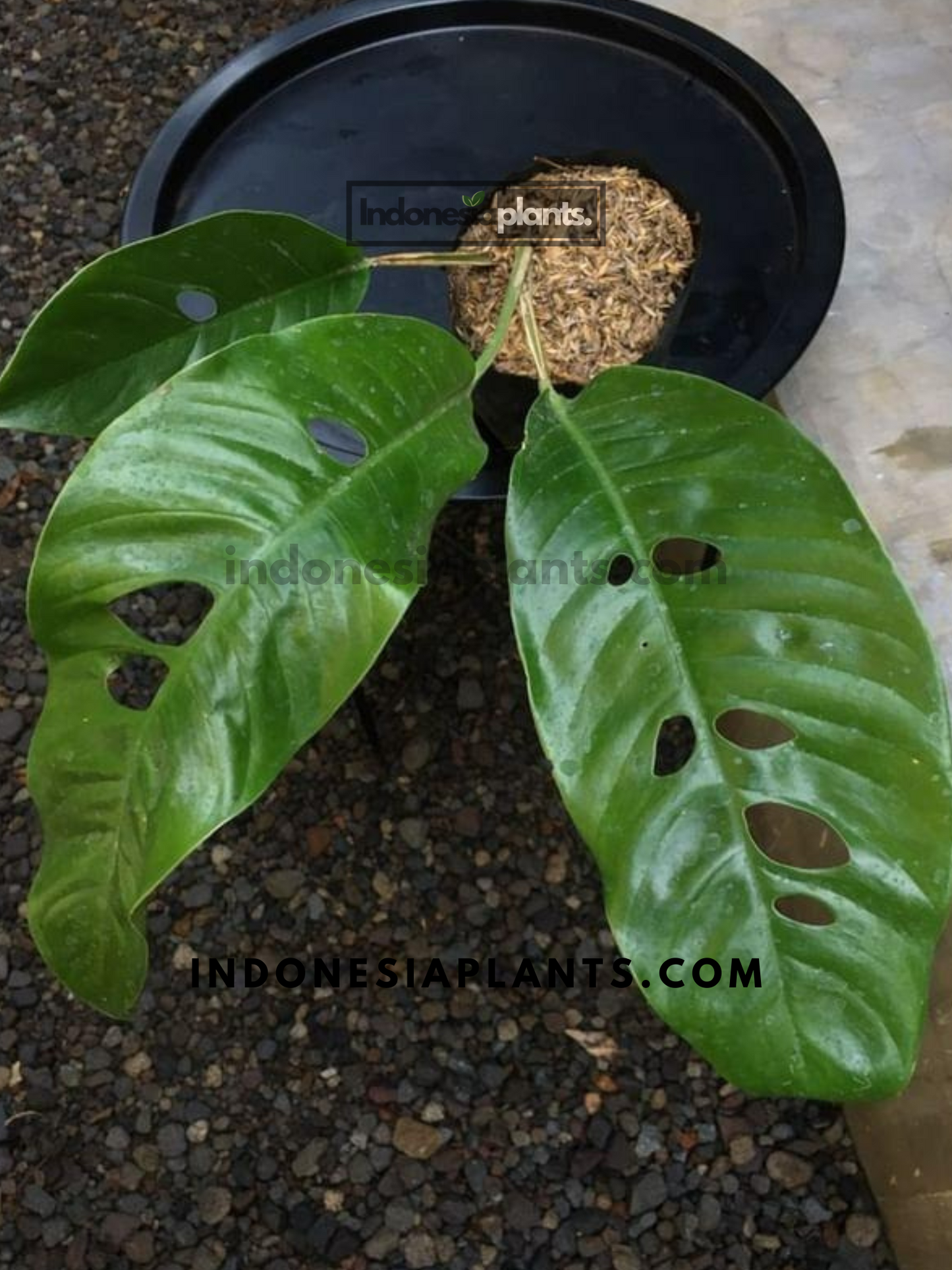
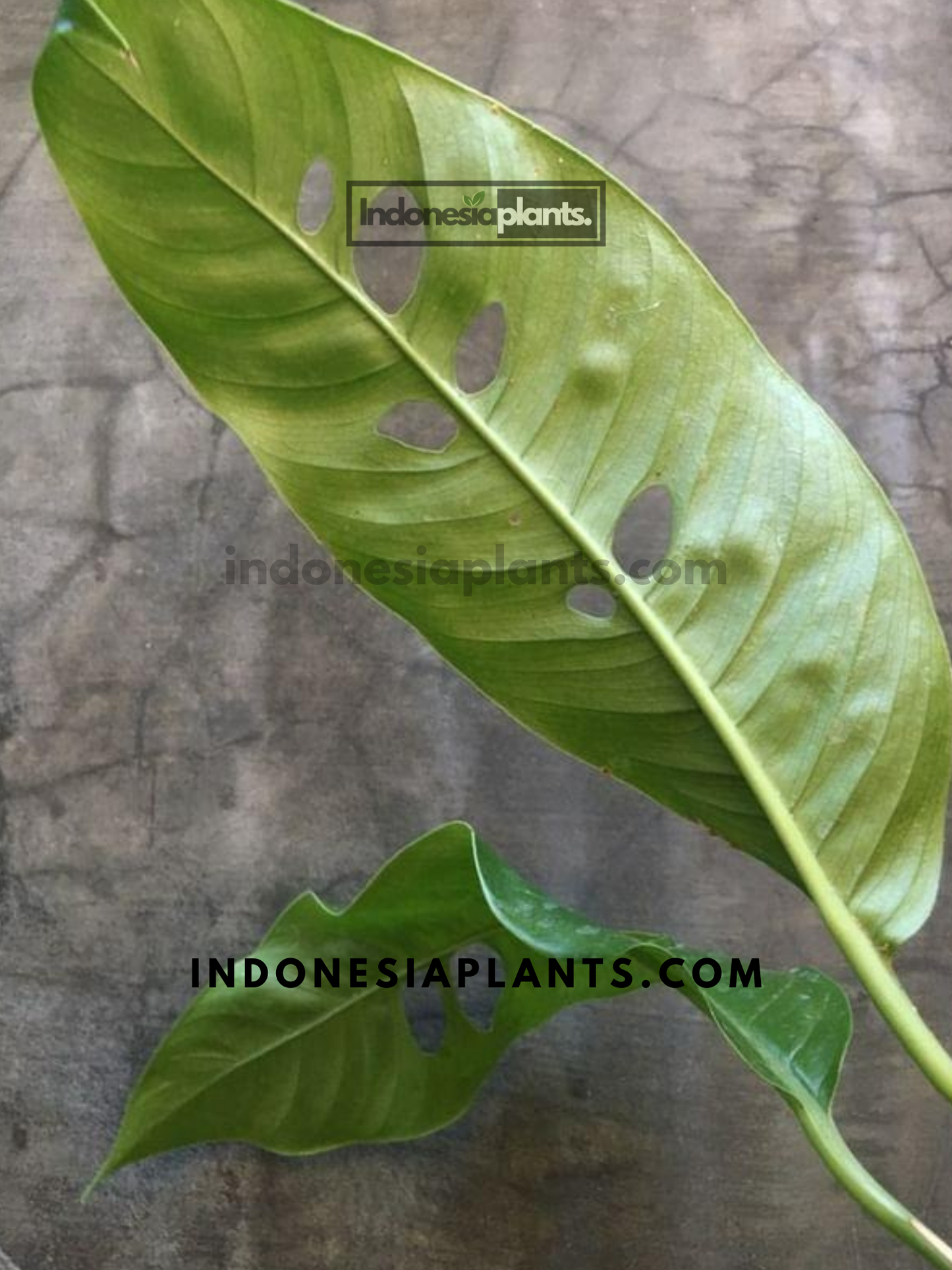
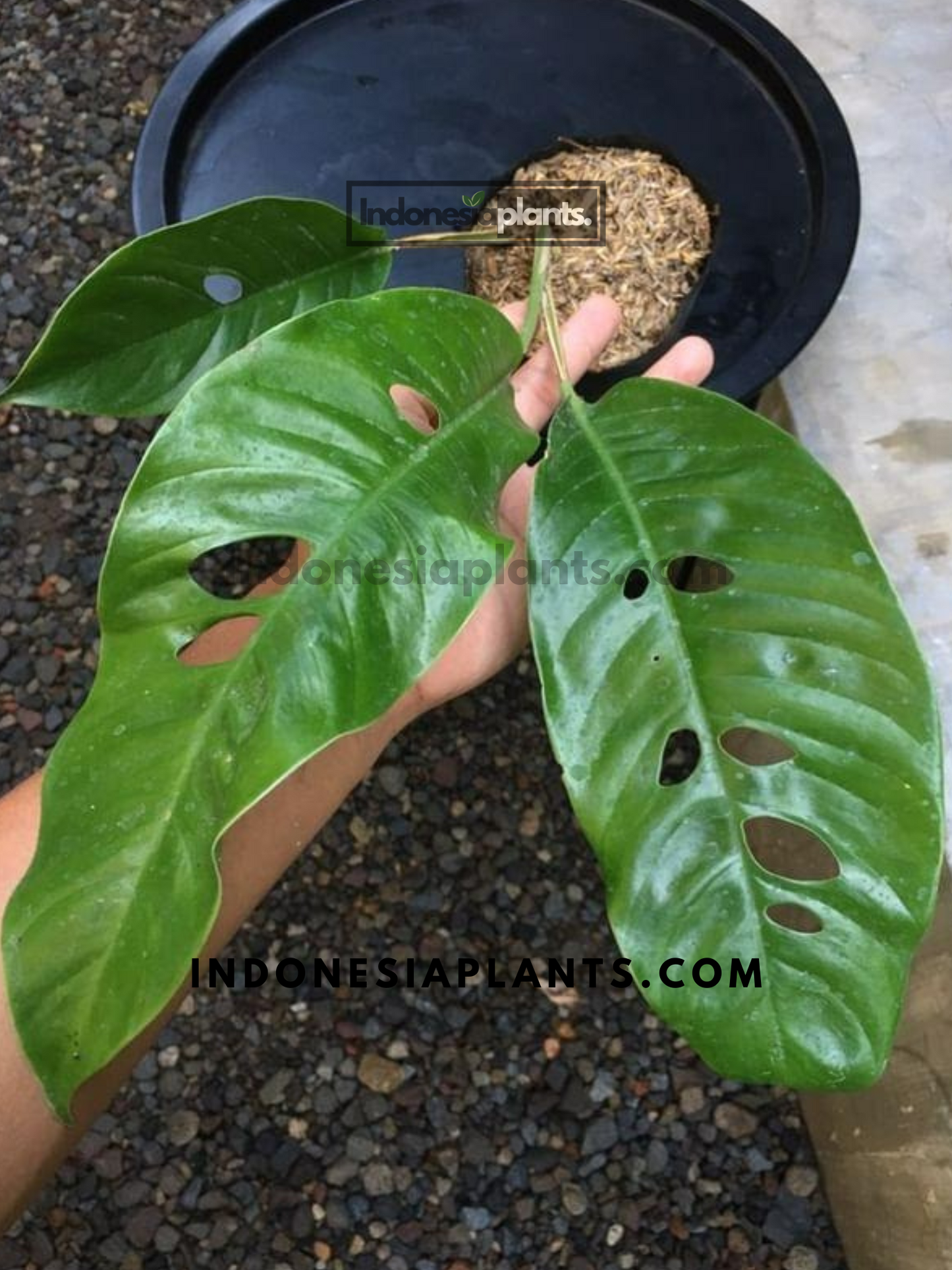
See photos for reference of the plant features only. Sent to you more likely as featured with descriptions below:
Minimum of 3 leaves
Rooted not cuttings
Rhaphidophora Foraminifera Fenestrated: Nature’s Intricate Masterwork
Rhaphidophora Foraminifera Fenestrated is a rare and distinctive plant known for its unique fenestrations (leaf holes), which give it a striking appearance. This Rhaphidophora species is admired for the beautiful, intricate perforations in its leaves that become more defined as the plant matures. It is highly sought after by plant enthusiasts who value uncommon features in their collections. With moderate light and humidity needs, this tropical beauty is suitable for both beginners and seasoned collectors looking to expand their collection of fenestrated plants.
Modern foliage with engineered perforations
Rhaphidophora foraminifera delivers a clean, contemporary look: elongated, leathery leaves that evolve from intact juvenile blades to precise, parallel fenestrations as the plant gains height and support. The cut-outs feel intentional—like ventilation slots—so the plant reads architectural rather than wild. A cooperative climber with a calm routine, it’s ideal for design-forward interiors that want texture without clutter.
Site Conditions — Light, placement, and breathing room
Stage in bright, diffused daylight—east-window glow, a bright north exposure, or any luminous pocket behind sheers. Long, even luminance keeps internodes tight and encourages earlier windowing; dim corners stretch the vine and delay perforations. Give the planter lateral clearance so the negative spaces cast sharp shadows on adjacent surfaces. Keep away from blasts of hot or cold air that can dehydrate leaf edges.
Materiality — Leaf surface, color story, and feel
Leaves are narrow-elliptic to lanceolate, with a quiet satin finish that accepts side-light without glare. Color holds in mid- to deep-green, with fine secondary veining that stiffens the lamina so fenestrations stay tidy. Juvenile foliage opens a tone lighter, then cures deeper while the cut-outs emerge progressively as nodes climb and anchor.
Structural System — Support that unlocks the look
This species is a true climber. Insert a slim moss pole, coco totem, or flat board at potting and secure each node with soft ties. Physical contact with the support is the switch that broadens blades, initiates fenestrations, and keeps the column poised. If you prefer density in a small footprint, allow a secondary shoot after the leader establishes; tip-prune lightly to branch while preserving the tidy line.
Operations Plan — Substrate, watering, and climate
- Medium: Build an oxygen-forward aroid blend: chunky orchid bark (structure), coco/coir (even moisture), pumice or perlite (porosity), a pinch of horticultural charcoal, plus a light sphagnum buffer. Choose a drainage-first vessel sized just over the root mass.
- Water rhythm: When the top 2–3 cm (≈1 in) feels dry, soak thoroughly and drain completely. Aim for steady, not stagnant moisture—consistency keeps unfurls smooth and the cut edges crisp. Empty saucers promptly.
- Climate & feed: Comfort band 18–29 °C (65–85 °F) with ~50–65% RH and gentle airflow. Feed lightly at ¼–½ strength during active months; improve light before increasing fertilizer—brightness drives form and fenestration more than extra nutrients.
Aesthetics & Pairings — Compose with negative space
- Planter palette: Matte oatmeal, ecru, fog, or charcoal emphasizes the linear lamina and the windows.
- Backdrop & materials: Limewash, pale timber, microcement, or honed stone amplify dimensional shadow play through the perforations.
- Companions: A velvety Anthurium adds plush counter-texture; a silver-washed Scindapsus cools the palette; a deep-green Monstera set behind creates a light–dark dialogue that makes the slotting read bold.
Maintenance & Risk — Signals → adjustments
- Few or no fenestrations: Increase total hours of filtered brightness and keep nodes snug to the support; height + light triggers windowing.
- Long gaps / lax posture: Raise luminance and confirm the vine is anchored at every node.
- Edges bronzing or crisping: Usually late watering or hot sun—tighten cadence and diffuse midday rays.
- Leaf curl inward: Root zone trending too dry—give a deep soak, then return to your steady loop.
- Mix slow to dry: Add bark/aggregate or step down a pot size to restore oxygen exchange.
Clean geometry, intentional perforations, and a friendly care loop—Rhaphidophora foraminifera (Fenestrated) turns consistent, filtered light into a sculptural vertical that feels curated in any room
Kindly reach out to us at indonesiaplants@gmail.com if you have difficulties in your purchase or have any questions.