

INDONESIAPLANTS
Rhaphidophora Megasperma Variegated
Rhaphidophora Megasperma Variegated
Couldn't load pickup availability
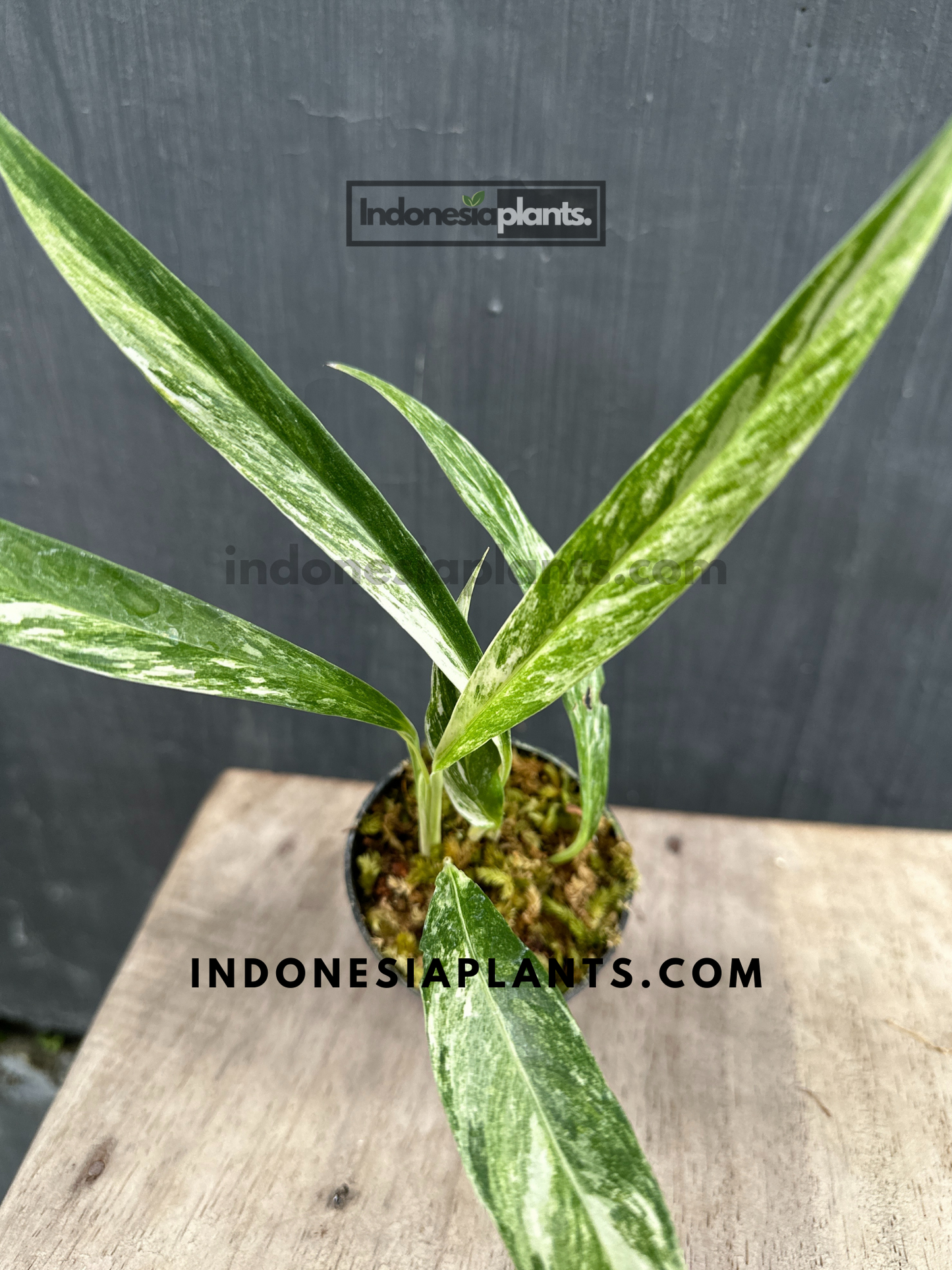
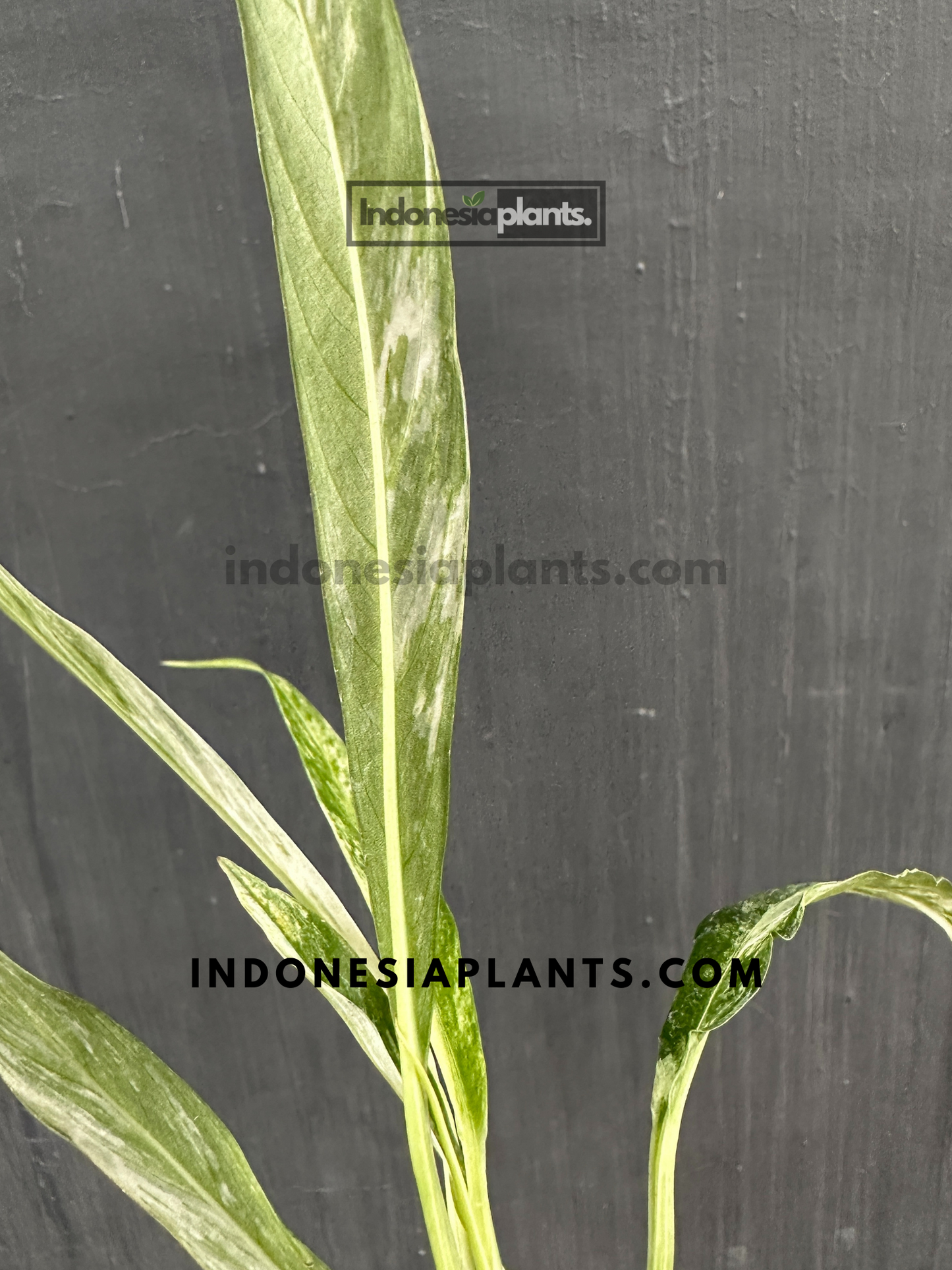
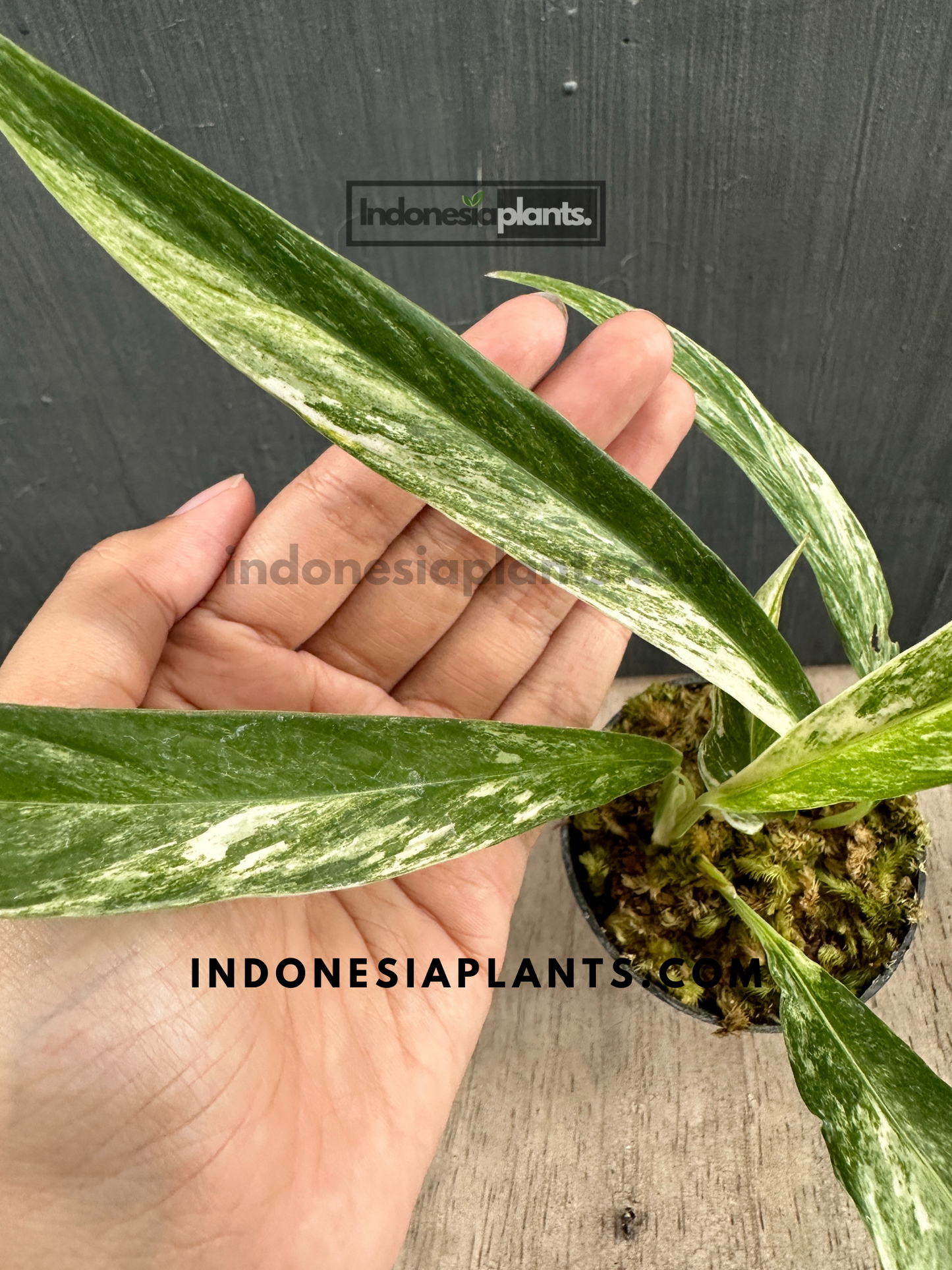
See photos for reference of the plant features only. Sent to you more likely as featured with descriptions below:
Minimum of 4 leaves
Rooted not cuttings
Rhaphidophora Megasperma Variegated: Striking Foliage with Unique Patterns
Rhaphidophora Megasperma Variegated is a stunning plant that features beautiful combinations of green, cream, and yellow hues in its leaves. This variegated variety is a favorite among plant collectors due to its unusual color patterns and easy care requirements. Its visually striking foliage makes it a standout in any collection, and it’s especially sought after for its ability to thrive with minimal attention. Whether you are a beginner or an expert, this plant is a delightful addition to any indoor garden.
The Demand for Rhaphidophora Megasperma Variegated
The demand for Rhaphidophora Megasperma Variegated has been steadily increasing, as more plant enthusiasts discover the beauty and complexity of its variegated foliage. With stunning combinations of cream, yellow, and green patterns, this plant holds a special place in variegated plant collections. As a relatively low-maintenance plant that thrives in moderate light, it is a great choice for collectors looking for plants that require little attention but offer striking aesthetic value. Its growing popularity means it’s becoming a high-value plant in the market, making it an excellent investment for any plant collector.
A bold climber with painterly cream
Rhaphidophora megasperma in its variegated form marries strong, architectural foliage with broad cream-to-soft-lime panels over deep green. New leaves emerge a shade brighter, then cure deeper while the pale sections hold their glow, so the canopy stays lively across stages. As a cooperative hemiepiphytic climber, it’s easy to guide into a refined vertical that reads curated rather than wild, making it an excellent statement plant for modern interiors.
Morphotype — Large blades, tailored line
Expect elongated, elliptic leaves with a confident midrib and quiet secondary veining. Variegation presents as sectors, brushed clouds, and fine streaks, sometimes combining on a single lamina. Petioles are sturdy without bulk, presenting leaves slightly forward so they cast clean, dimensional shadows—great for product shots and room styling. With guidance, internodes remain compact and blades broaden, delivering a sleek column with generous surface for color play.
Habitat Setup — Day-one placement that works
Stage in bright, diffused daylight: east-window glow, a bright north exposure, or any luminous pocket softened by sheers. Give the planter lateral breathing room; the negative space around the foliage helps the cream sections read crisp and prevents edges from brushing walls. Insert a slim moss pole, coco totem, or flat board from the start and secure each node as the vine advances—contact with support is the switch that scales leaves and clarifies pattern.
Substrate Engineering — Oxygen first, then moisture
Build an airy aroid blend that drains quickly yet holds an even baseline:
- 40% chunky orchid bark (structure and airflow)
- 25% coco fiber/coir (consistent moisture)
- 20% pumice or perlite (porosity)
- 10% horticultural charcoal (freshness)
- a light sphagnum buffer near the root zone
Seat in a drainage-first vessel sized just over the current root mass. Right-sizing keeps the root zone responsive and helps pale sectors maintain smooth margins.
Light Program — Keep contrast vivid
Long hours of filtered brightness preserve the cream and tighten spacing. Deep shade softens pattern and lengthens internodes; harsh, unfiltered midday sun can stress pale tissue. Under LEDs, choose a broad, even wash at comfortable distance—no hotspots. Rotate a quarter-turn weekly so the newest unfurl faces your best light pocket.
Care Cadence — A calm, repeatable loop
- Water rhythm: When the top 2–3 cm (≈1 in) feels dry, soak thoroughly and drain completely. Think steady, not stagnant—consistency protects creamy areas from browning and keeps unfurls crease-free. Empty saucers promptly.
- Climate: 18–29 °C (65–85 °F) with ~45–65% RH and gentle airflow away from vents.
- Nutrition: Feed lightly at ¼–½ strength during active months. Improve light before upping fertilizer—brightness amplifies variegation far more than extra nutrients.
- Grooming: Dust a couple of leaves weekly; refresh soft ties on the support; remove spent sheaths for a tidy crown.
Styling Pairings — Compose with poise
- Planter palette: Matte oatmeal, ecru, sand, fog, or charcoal frames the cream panels without visual noise.
- Backdrops & materials: Limewash, pale timber, microcement, or honed stone heighten shadow play along the midrib.
- Companions: A silver-washed Scindapsus cools the palette; a velvety Anthurium adds plush depth; a deep-green Monstera behind it creates a light–dark dialogue that pushes variegation forward.
Diagnostics — Signals → adjustments
- Mostly green run: Extend total hours of filtered light and keep nodes snug to the support; orient the newest leaf toward the window.
- Brown on creamy panels: Usually late watering or harsh sun—tighten cadence and diffuse midday rays.
- Lanky gaps: Raise overall luminance and confirm each node is tied in; support compacts internodes.
- Edges curling inward: Root zone trending too dry—give a thorough soak, then resume your steady schedule.
- Mix slow to dry: Increase bark/aggregate or step down a pot size to restore oxygen exchange.
Clean architecture, generous leaves, and expressive variegation—Rhaphidophora megasperma Variegated turns consistent, filtered light into a sophisticated vertical that’s easy to live with and satisfying to style.
Kindly reach out to us at indonesiaplants@gmail.com if you have difficulties in your purchase or have any questions.