

INDONESIAPLANTS
Scindapsus Tricolor
Scindapsus Tricolor
Couldn't load pickup availability
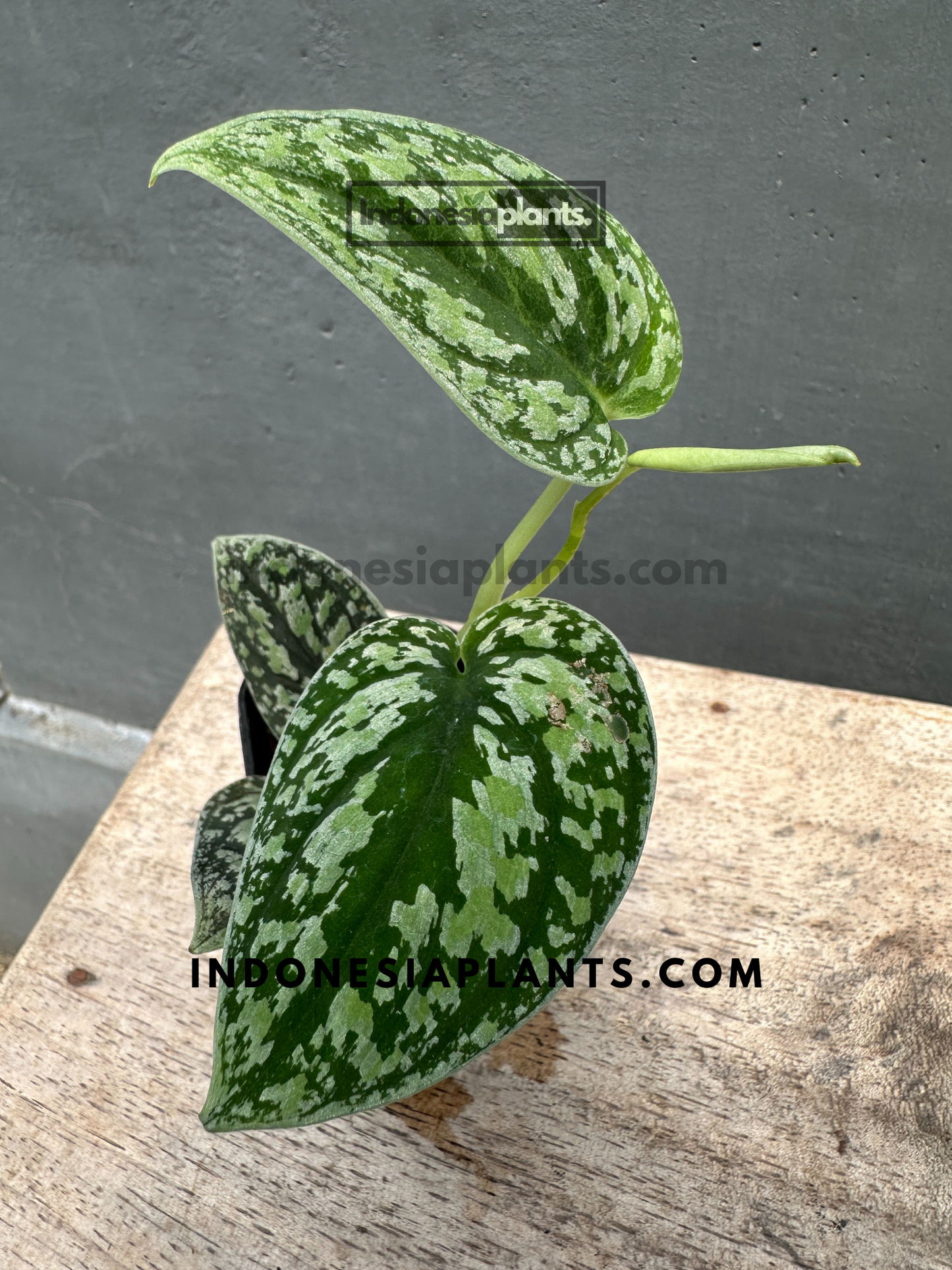
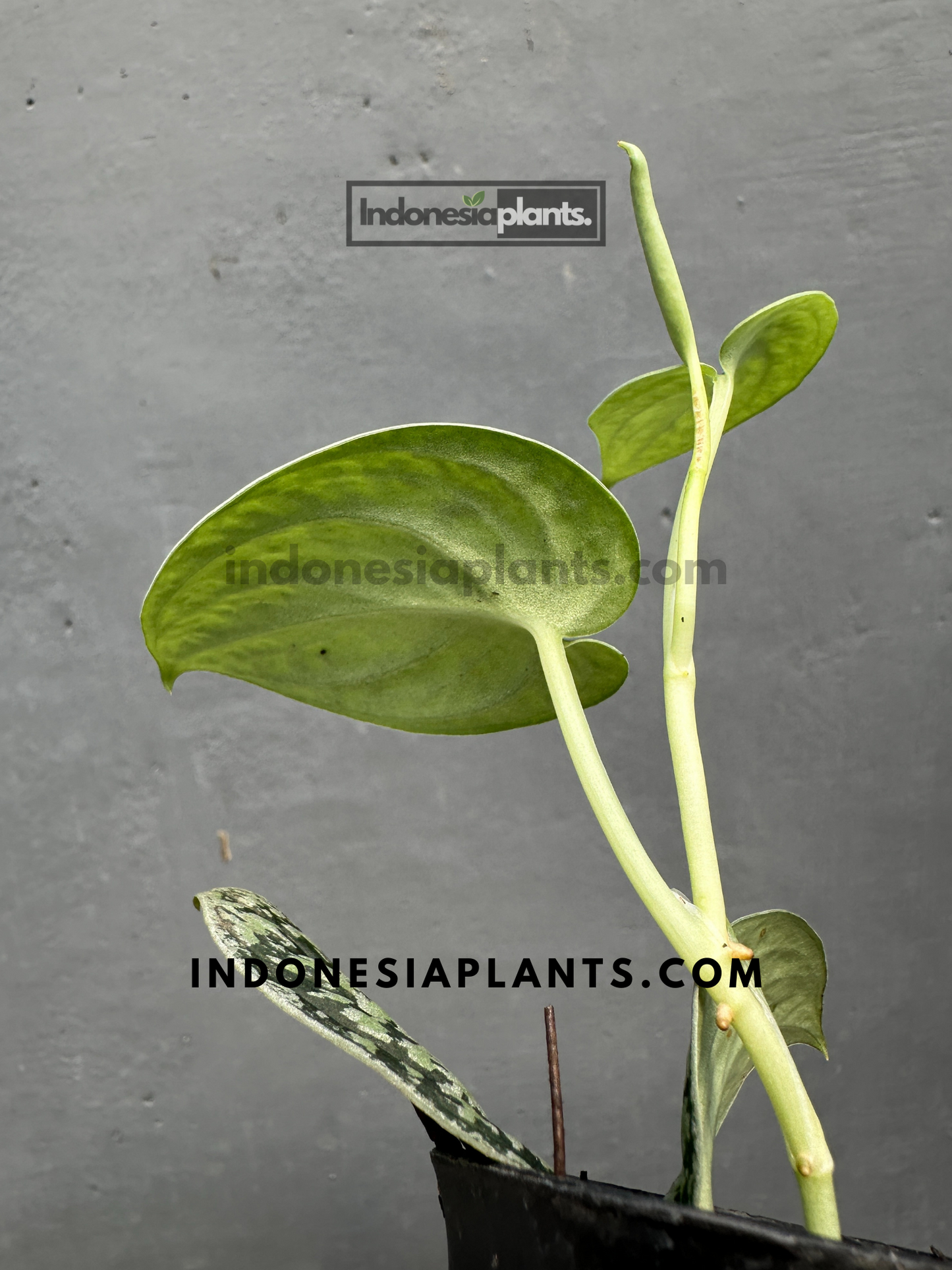
See photos for reference of the plant features only. Sent to you more likely as featured with descriptions below:
Minimum of 3 leaves
Rooted not cuttings
Scindapsus Tricolor – A Unique Blend of Colors in One Plant
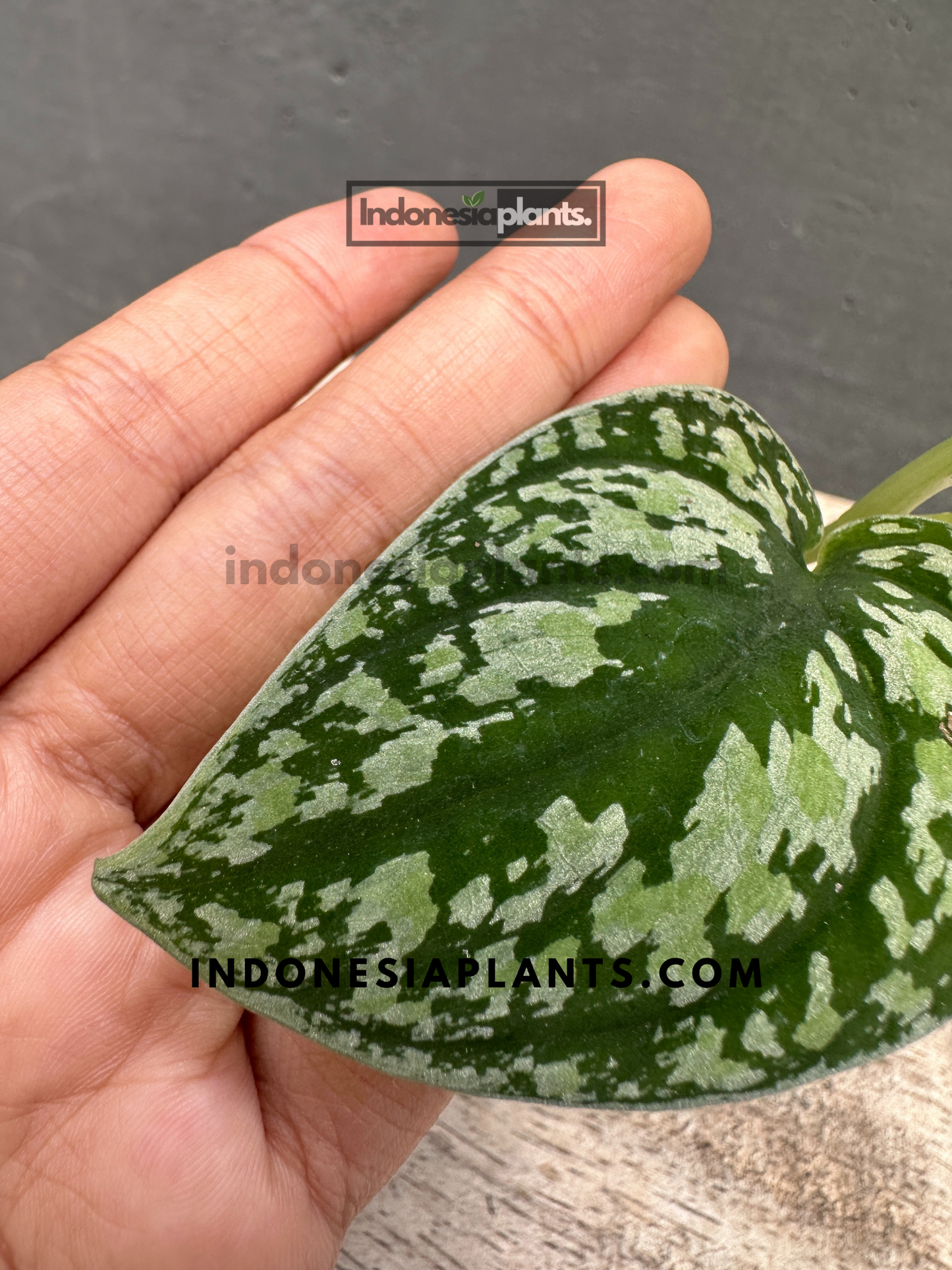
The Scindapsus Tricolor is a stunning houseplant variety featuring three-tone variegation, blending deep green, silver, and creamy white in a mesmerizing pattern. This one-of-a-kind plant brings a dynamic and vibrant touch to any indoor space, offering a sophisticated aesthetic with natural charm.
With its vining and climbing nature, the Scindapsus Tricolor can be displayed in hanging planters, cascading from shelves, or climbing trellises. It is also incredibly resilient, making it an excellent option for plant lovers at any experience level.
Collector’s Spotlight on a Painted Vine
Scindapsus Tricolor is the plant you reach for when you want pattern, but you don’t want chaos. Each leaf looks hand-painted with three tones—deep green, lighter green, and soft silver—laid over a classic Scindapsus shape. On a shelf or pole, it gives that “this person knows their plants” impression without demanding an entire greenhouse to look good.
Meet the Plant – Personality in Three Tones
This variety feels energetic but controlled. The base of each leaf is usually a medium to deep green; over that, swirls and patches of softer green and silvery highlights create the “tricolor” effect. Instead of huge blocks of white, you get layered tones that read like foliage, not like paint spills. The leaves are typically heart-shaped to slightly elongated, with a comfortable size that’s big enough to show the pattern, but not so large that they dominate your entire display.
From across the room, Scindapsus Tricolor reads as a patterned, cool-toned vine. Up close, you see the speckles, swirls, and irregular brushmarks that make collectors lean in for a second look.
What Makes Scindapsus Tricolor Stand Out
For a collector’s eye, this plant checks several boxes at once:
- Three-color foliage: deep green, softer green, and silvery tones working together on each leaf
- A pattern that looks rich and layered rather than flat or repetitive
- A growth habit that’s easy to sculpt into either a trailing cascade or a narrow climbing column
- A look that plays well with both subtle and statement plants in the same collection
It’s the kind of vine that doesn’t disappear in a jungle shelf, but also doesn’t scream over everything else. That balance is what keeps it on serious collectors’ wishlists.
How It Changes as It Matures
Young plants often start with smaller leaves and more modest patterning; you see the tricolor effect, but it’s still soft. As the plant establishes and pushes stronger vines, the blades generally widen and the pattern becomes more confident—more contrast, more visible strokes, more personality per leaf.
On a moss pole or board, internodes tend to shorten and leaves can size up, turning the plant into a vertical strip of “painted” foliage. Left to trail, stems form elegant arcs, and the leaves hang at angles that show off their patterns from different directions. Over time, a well-grown Scindapsus Tricolor can look like a curated ribbon weaving through your other plants.
Care Routine of a Serious Collector (Without Overcomplication)
Think of its care as classic Scindapsus with a bit of attention to light for the pattern.
-
Light
- Best in bright, indirect light—close to a window with filtered sun.
- It will survive in medium light, but the tricolor effect will usually look softer and growth slower.
- Avoid strong, direct midday sun on the leaves to prevent scorch on lighter areas.
-
Water, Mix, and Environment
- Let the top part of the potting mix dry slightly before watering again. Heavy, always-wet soil is the fastest way to upset the roots.
- Water thoroughly until excess runs out, then discard any leftover water in the saucer.
- Use a chunky, airy mix (aroid-style with bark and perlite) so roots get both moisture and oxygen.
- Normal warm indoor temperatures and average household humidity usually work well; moderate humidity helps new leaves unfurl clean and smooth.
This is not a plant that needs daily fussing—what it wants is consistency: stable light, breathable mix, and a watering rhythm you can repeat.
Styling Inspiration from a Collector’s Shelf
Scindapsus Tricolor is especially good at tying multiple plants and objects together. On a shelf, one or two vines can run along the back or edge, visually connecting pots, books, and decor. On a pole in a floor pot, it acts like a patterned stripe that pulls the eye up from low furniture toward artwork or windows.
Some favorite use-cases:
- As the “patterned bridge” between plain green plants and high-variegation statement pieces
- In a neutral living room (wood, beige, stone), where its cool greens and silver keep things from feeling too flat
- In a plant cabinet or bright corner, climbing a thin pole for a narrow, vertical artwork made of leaves
Pair it with simple pots—matte white, stone, concrete, or soft earth tones—to let the foliage do the talking.
Is This Your Next Centerpiece?
Scindapsus Tricolor is a natural choice if you’re curating a collection, not just accumulating pots. It offers:
- Genuine visual interest from every new leaf
- A shape and growth pattern that are easy to style
- A care routine that feels familiar if you already keep other aroids or Scindapsus
If your shelves already have “green” covered and you’re ready to add pieces that look deliberately chosen, Scindapsus Tricolor is exactly the kind of vine that makes the whole setup feel more intentional and more collector-level.