

INDONESIAPLANTS
Spathiphyllum Sensation Variegated Mauna Loa
Spathiphyllum Sensation Variegated Mauna Loa
Couldn't load pickup availability
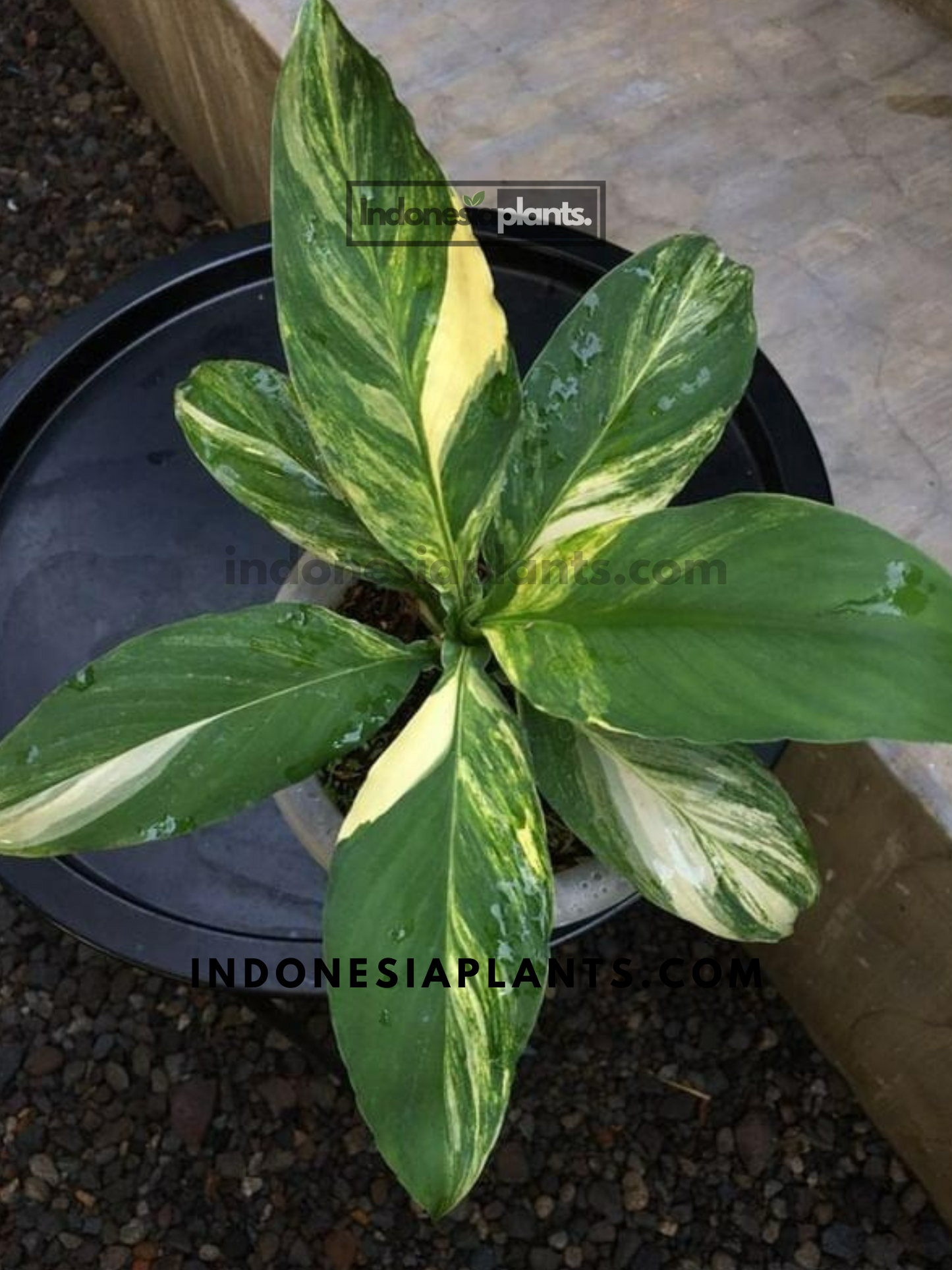
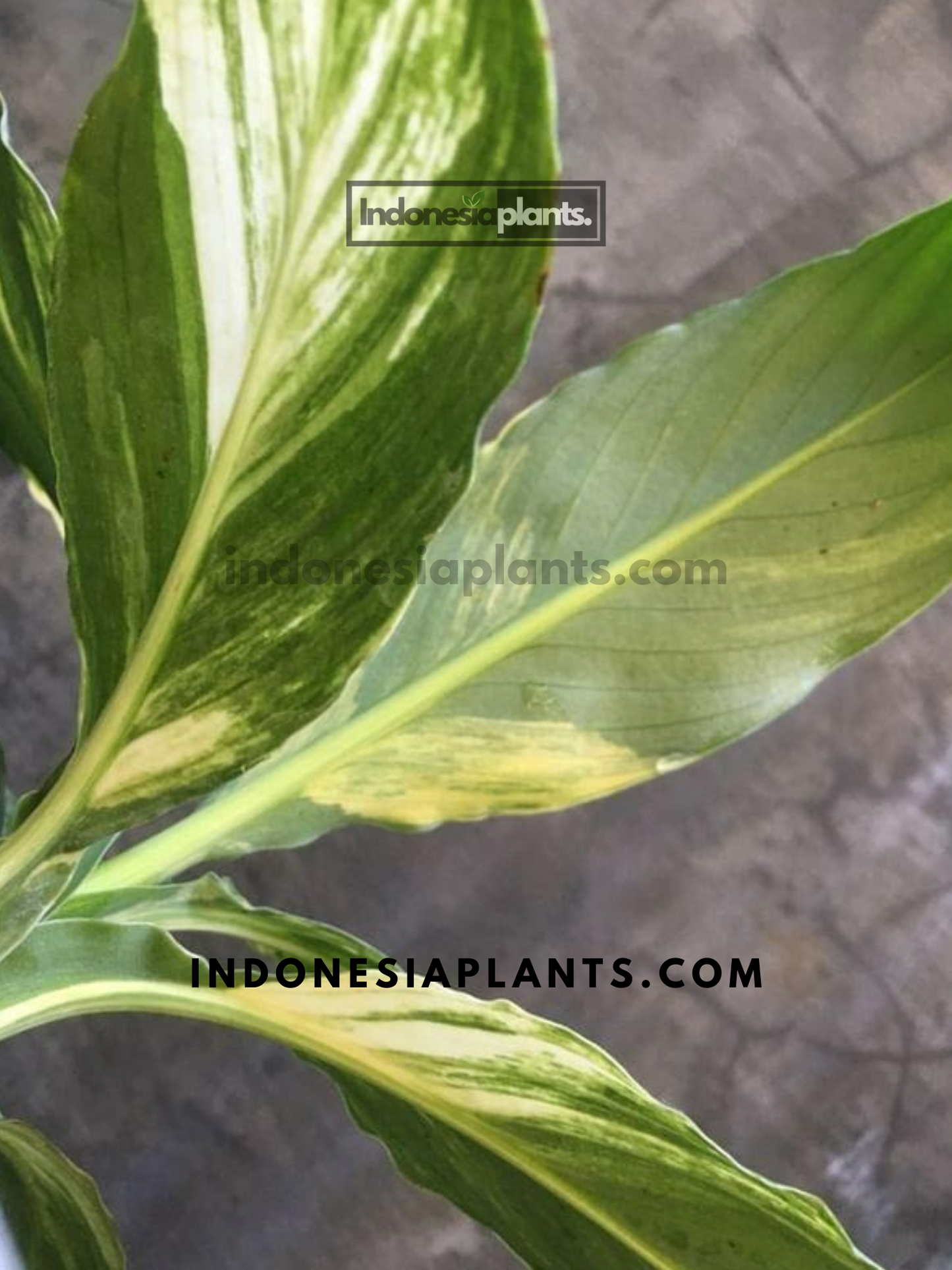
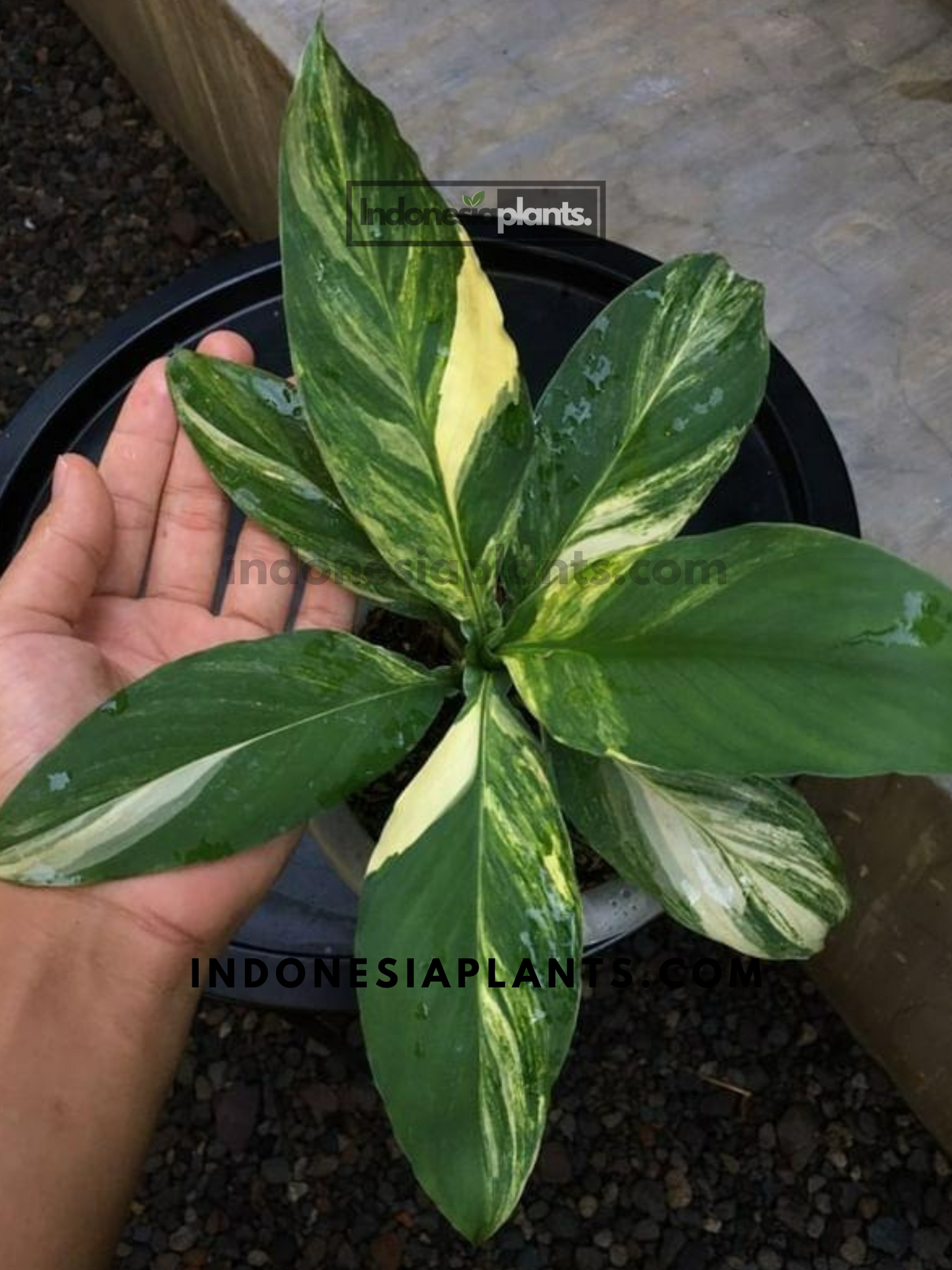
The Spathiphyllum Sensation Variegated – also known as Mauna Loa – is a striking medium-sized peace lily variety that combines elegance and ease of care. Its lush, oversized leaves feature stunning yellow and green variegation, adding a touch of sophistication to any indoor space. This plant is a perfect statement piece for your home or office.
What You Will Receive:
- A healthy, medium-sized Spathiphyllum Sensation Variegated plant with 3–6 vibrant, variegated leaves.
- Plant size may vary depending on stock; please refer to product photos for details.
- Carefully packaged to ensure the plant arrives in perfect condition.
Spathiphyllum Sensation Variegated Mauna Loa – A Bold Statement Plant with Striking Variegation
The Spathiphyllum Sensation Variegated Mauna Loa is a stunning, oversized Peace Lily known for its large, broad leaves with mesmerizing white and green variegation. This rare variety brings a dramatic yet refined presence to any space, making it an ideal centerpiece for home or office interiors.
Unlike smaller Peace Lilies, the Spathiphyllum Sensation Mauna Loa features deeply ribbed, glossy leaves that can grow up to 3-4 feet tall, creating a lush and tropical aesthetic. It thrives in low to medium light, making it perfect for shaded indoor spaces while helping to purify indoor air and boost oxygen levels.
Fix the Issues, Then Enjoy the Giant Leaves
Spathiphyllum Sensation Variegated ‘Mauna Loa’ is stunning, but because of its size and variegation, it will “tell” you very clearly when something is off. Instead of starting with the pretty part, let’s start with the problems you’re most likely to see and how to solve them, so the plant can actually look like the big, calm statement piece it’s meant to be.
Problem 1: Crispy Edges, Especially on the Pale Variegation
Symptom: Margins of the broad leaves, especially the creamy parts, turn brown and dry.
Typical causes and fixes:
- Air is too dry or hot → Move away from direct AC/heater airflow; consider grouping plants or adding a mild humidity boost in that area.
- Irregular watering swings (very dry, then very wet) → Aim for more consistent moisture: don’t let the whole root ball bone-dry before soaking.
- Fertilizer salts building up → Flush the pot thoroughly with plain water every few months to wash excess out, and use fertilizer at a modest dose.
Problem 2: Yellowing Leaves Starting from the Older Outer Foliage
Symptom: Older leaves near the outside of the clump turn yellow, then fade and collapse.
This can be partly normal aging, but it accelerates when:
- The plant is staying too wet for too long → Check the mix and pot; if it feels heavy and cold for days, improve drainage and adjust watering.
- Light is too low for the amount of foliage → Move a bit closer to bright, indirect light so the plant can actually “support” the leaf mass.
- The root system is tired in old soil → For large, older specimens, a repot into fresh, airy mix can stabilize things and improve uptake.
Problem 3: Very Slow Growth and Little or No New Leaves
Symptom: Big clump, but months pass with almost no new spears emerging.
Likely reasons:
- Light level is on the low end → This cultivar has large leaves; they benefit from a brighter, indirect position. Step it closer to a good window without harsh direct sun.
- Potting mix is compact and old → An overcompacted mix slows root activity. Refresh into a looser, well-draining medium.
- Feeding is too minimal for such a large plant → Light, regular feeding during the growing season helps this big-bodied Spathiphyllum maintain and push new growth.
Problem 4: Leaves Drooping Dramatically, Then Recovering
Symptom: The whole plant droops, you water, and it snaps back within a few hours.
Interpretation:
- This is classic underwatering behavior. Occasionally is okay; chronically is stressful.
- For a large specimen, check deeper into the root ball; the top may look moist while the interior is already dry.
Problem 5: Broad Leaves Burning or Fading on One Side
Symptom: One side of the plant, usually the side closest to the window, shows faded patches or scorch.
Cause and adjustment:
-
Light is too direct for the broad blades, especially midday. Pull it slightly away from the glass, add sheer curtains, or rotate the plant regularly so one side doesn’t absorb all the intensity.
Baseline Care Targets (When Things Are Going Right)
Use these as your “default settings” once problems are under control:
-
Light
- Bright, indirect light near a window.
- No harsh midday sun directly on the broad leaves.
-
Water & Soil
- Keep the mix evenly, lightly moist; top layer can start to dry between waterings, but don’t let the entire root mass dry hard.
- Use a rich, well-draining indoor mix with extra aeration (e.g., added perlite or chunky material) so the root zone stays airy, not swampy.
-
Environment
- Warm indoor temperatures, away from cold drafts.
- Average household humidity is usually fine; slightly higher humidity helps the large variegated leaves look smoother at the edges.
What the Plant Looks Like When You’ve Dialed It In
When its needs are met, Spathiphyllum Sensation Variegated ‘Mauna Loa’ becomes a proper floor specimen. Leaves emerge as tall, upright spears from the center of the plant, then open into wide, elongated blades that arch outward. Each leaf carries a deep to medium green base with flowing ribbons and pools of lighter green and cream, more like soft brushstrokes than sharp blocks.
Because the leaves are oversized and gently glossy, they catch and move light across the room. Veins create subtle ridges along the length of each blade, so in side lighting you see a faint ribbed texture that adds depth without harshness. As the plant matures, the foliage layers into a full, rounded canopy that visually “fills” a corner the way a small tree would, but with softer, more relaxed lines.
How It Sits in a Room When Healthy
A well-grown ‘Mauna Loa’ doesn’t disappear into the background. It anchors the space: beside a sofa, it balances the furniture mass; near a low cabinet, it pulls the eye up and softens the line between furniture and wall. The cream-and-green palette is easy to pair with wood, stone, and neutral textiles, so it works in calm, modern, or lightly tropical interiors.
In a collection, it acts as a grounding piece at floor level, while smaller plants and vines do the detail work higher up. Good specimens always look “intentional”, like part of the layout, not an afterthought.
Who This Plant Is Best For
Spathiphyllum Sensation Variegated ‘Mauna Loa’ suits growers who:
- Already understand basic moisture management and aren’t afraid of a pot that dries a bit slower because of size.
- Want one or two large statement plants instead of many small pots scattered everywhere.
- Appreciate big, architectural foliage with calm variegation, rather than extremely high-contrast patterns.
If you like diagnosing small issues and fine-tuning conditions, this plant rewards that effort with ever larger, beautifully painted leaves and a genuinely impressive presence in your home.