

INDONESIAPLANTS
Syngonium Matcha
Syngonium Matcha
Couldn't load pickup availability
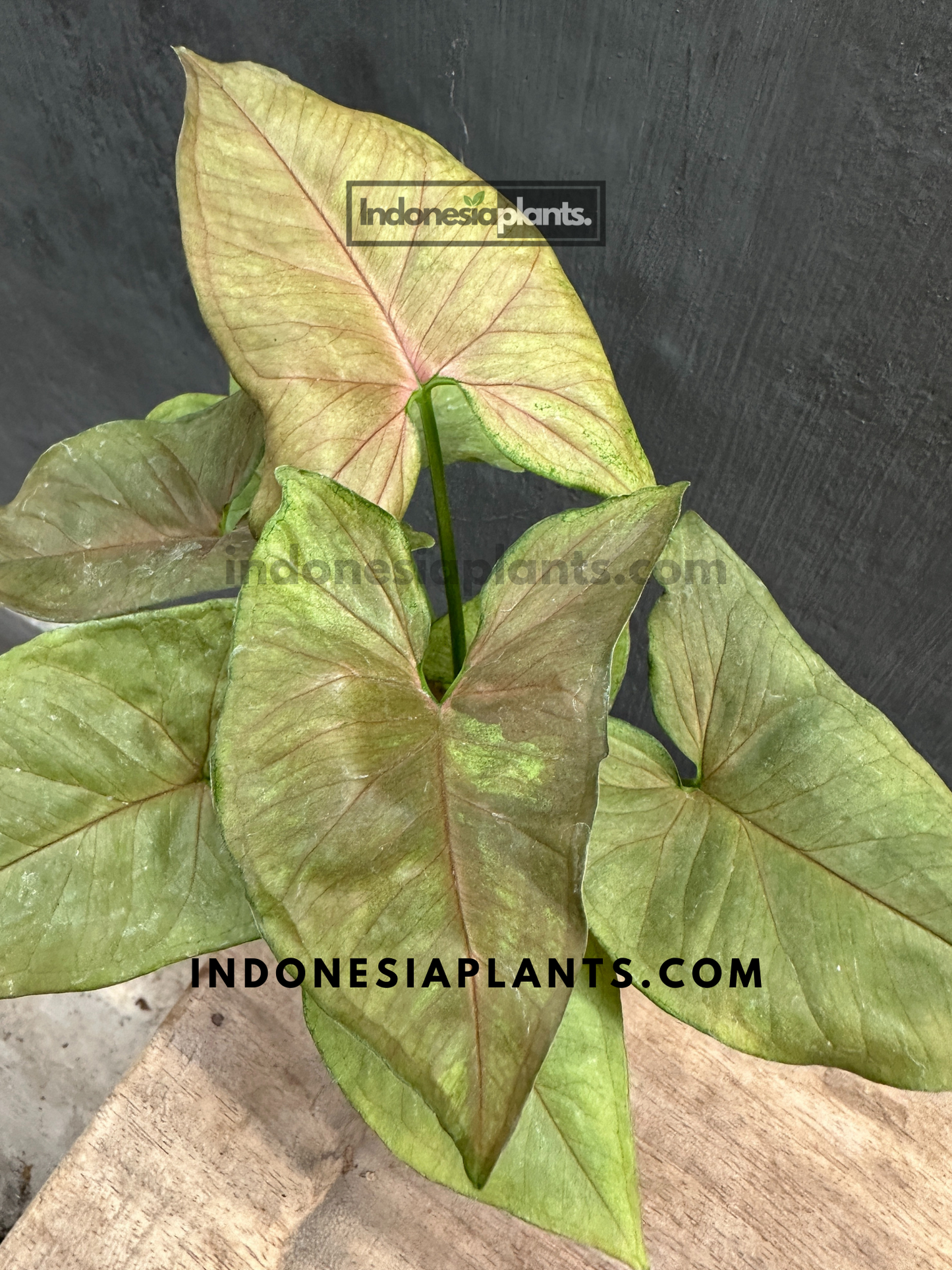
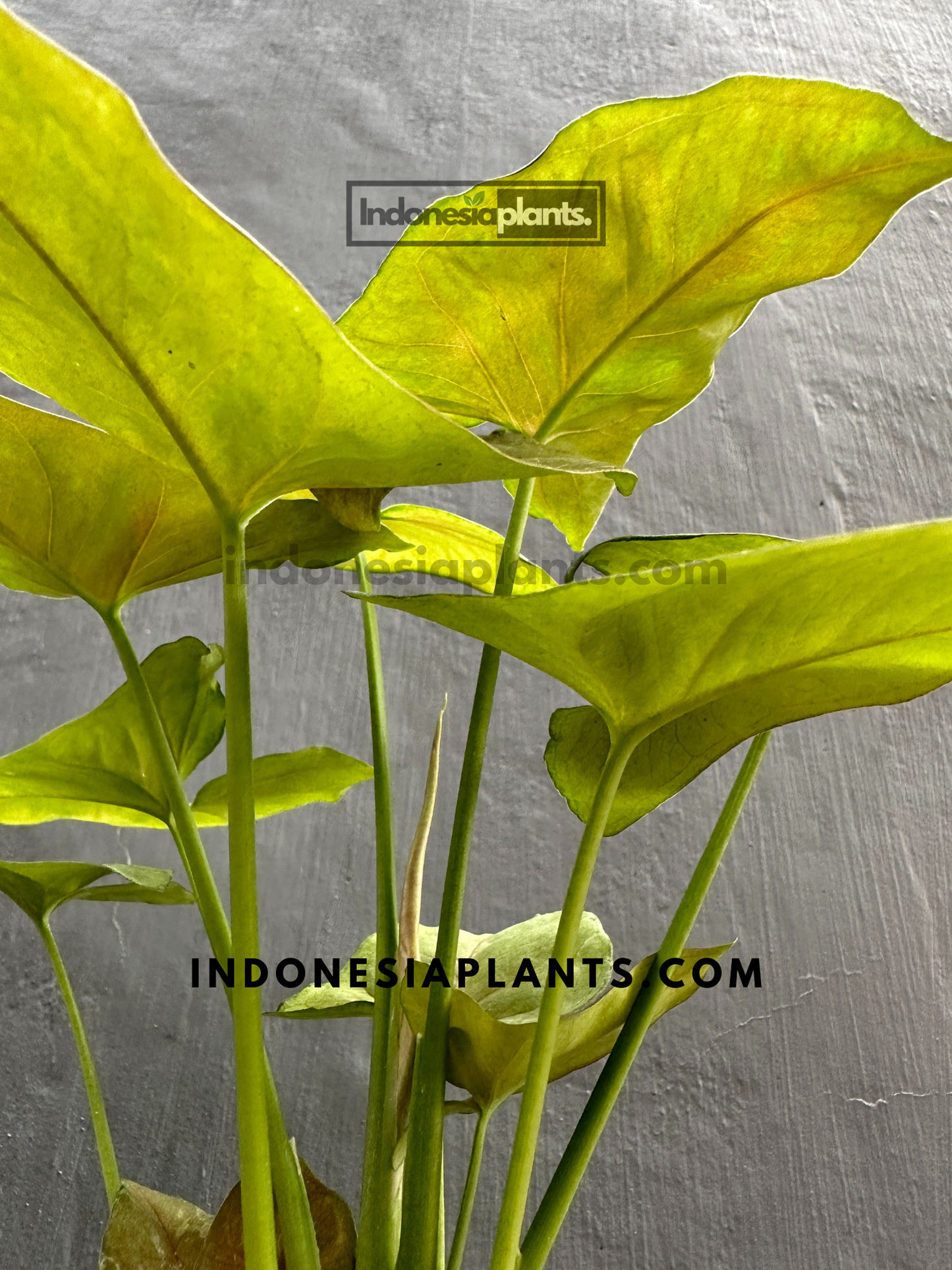
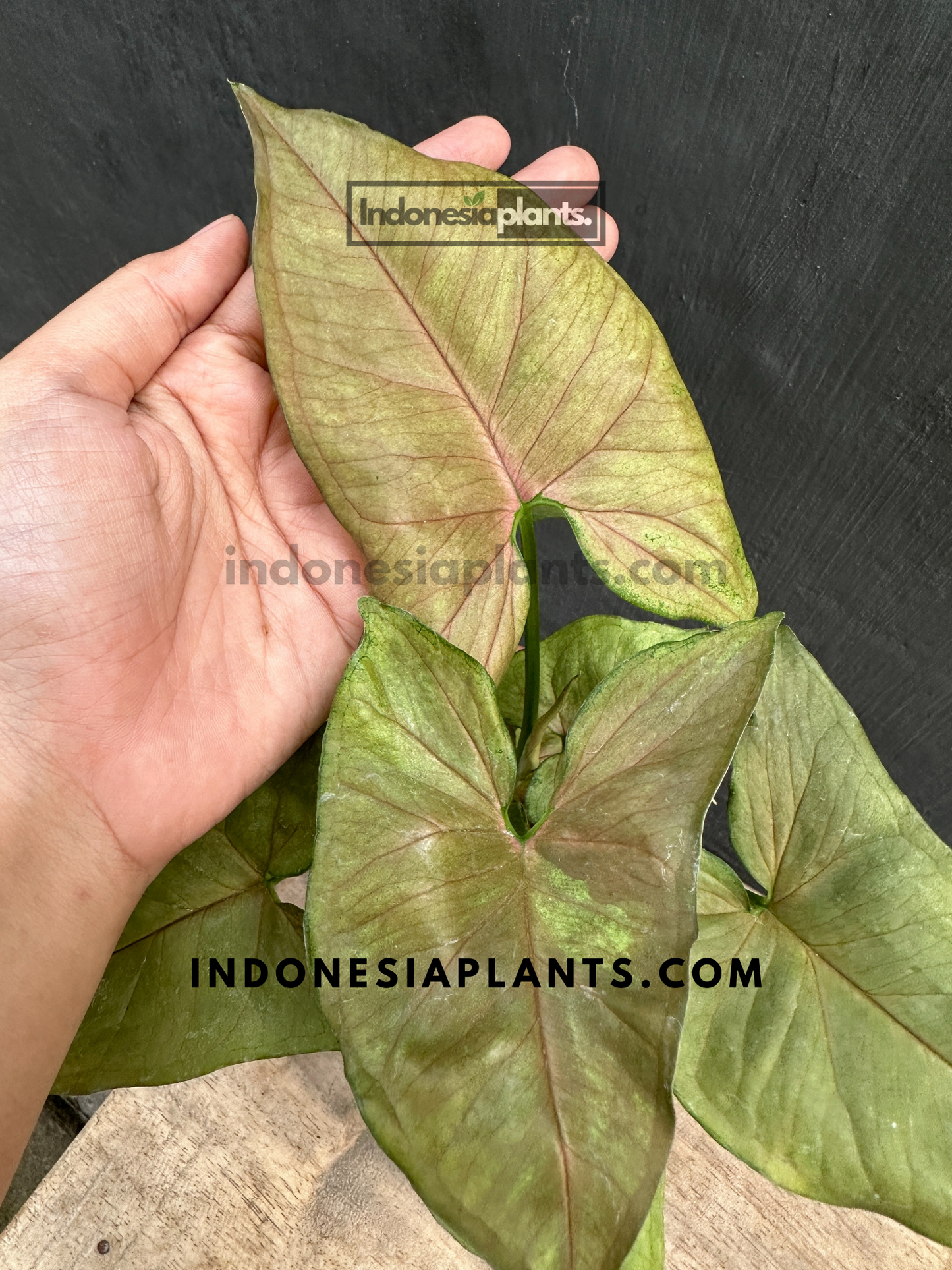
See photos for reference of the plant features only. Sent to you more likely as featured with descriptions below:
Minimum of 3 leaves
Rooted not cuttings
Syngonium Matcha: A Refreshing Green Marvel
Named after the famous Japanese green tea, the Syngonium Matcha features soft, muted green leaves with a velvety texture. This calming and refreshing plant is an excellent addition to any serene indoor space.
Why Add Syngonium Matcha to Your Collection?
- Unique, Muted Green Hue: Unlike other Syngoniums, its foliage carries a matcha-like shade, making it rare and sought-after.
- Low-Light Friendly: Thrives in lower light settings while maintaining healthy, vibrant growth.
- Easy to Maintain: Requires minimal watering and care, making it perfect for beginners.
- Great for Terrariums and Small Spaces: Due to its compact nature, it’s a great fit for small planters and cozy spaces.
Learn Tropical Botany Through This Plant
Syngonium Matcha is more than just a pretty foliage plant; it’s an excellent “teacher” for understanding how light, water, and environment shape the look and behavior of tropical leaves. With its calm matcha-green tones and clean, soft texture, it reacts clearly to changes in care—making it a perfect living guide for curious plant enthusiasts.
What It Can Teach You About Light
Matcha’s leaves are typically a soothing, even green, reminiscent of a cup of matcha latte. In brighter, indirect light, they tend to stay compact, richer in tone, and nicely shaped. In lower light, leaves may emerge larger but thinner, and the plant can stretch toward the window. By observing these changes, you learn how light intensity affects leaf size, thickness, and spacing between nodes.
Try this simple experiment: place Syngonium Matcha in a spot with bright, indirect light for a few weeks and watch how the new leaves compare in size and color to older ones grown in a dimmer area. You’ll see in real time how lighting levels sculpt a tropical plant.
What It Can Teach You About Water and Roots
Matcha prefers evenly moist, well-draining soil. When you water regularly, allowing the top layer to dry slightly before the next watering, the leaves stay firm and upright. If you let it dry too far, they may droop, giving you a clear visual cue that the roots need moisture. On the other hand, consistently soggy soil can cause yellowing and a dull, tired look.
By paying attention to how quickly the soil dries and how the plant responds, you develop a better feel for timing. This “dialogue” between leaf posture and soil moisture helps you improve watering skills not only for Matcha, but for other aroids as well.
What It Can Teach You About Humidity and Airflow
In higher humidity with gentle airflow, Syngonium Matcha tends to produce slightly smoother, fresher foliage. In very dry air, you might notice minor browning at the tips, especially if combined with inconsistent watering. Positioning the plant away from strong heaters or air conditioners and ensuring some air movement around it shows clearly how microclimate affects leaf quality.
Why It’s a Great Study Partner for Enthusiasts
Matcha’s biggest advantage as a “teacher plant” is that it is forgiving. It won’t collapse at the first mistake, yet it gives readable feedback to the changes you make. You can experiment with different potting mixes, light positions, and humidity levels, then apply those lessons to rarer or more sensitive plants in your collection.
Take the Next Step in Your Plant Journey
If you’re serious about becoming a better indoor gardener, Syngonium Matcha is a gentle, beautiful companion on that path. It delivers soft, restful green foliage while quietly teaching you how tropical plants respond to care.